Who Built the First Roads in the World?
SUMMARY OF THIS ARTICLE
- The first roads were not built by one person or one group. They grew slowly, over thousands of years, from simple paths made by people walking the same way again and again.
- Early farmers and traders in places like Mesopotamia (a very old land between two rivers, in what is now Iraq and nearby lands) and Egypt made some of the first planned paths and roads.
- The Persian Royal Road, built about 2,500 years ago, was one of the first long roads made for fast messages and travel across a large empire (a large land ruled by one king or ruler).
- The Romans later built the most famous ancient roads. They were straight, strong, and made in layers of stone, and many of them lasted for thousands of years.
- Roads changed the world. They helped people trade food and goods, share news, build towns, and travel far from home.
How Roads Began: Before Anyone Built Them
Think about the way you walk to school, to a shop, or to a friend’s house. If you walk the same way every day, the grass gets flat. The ground gets hard. Soon, you can see a clear path, even if no one ever planned it.
That is how the first roads began.
Long, long ago, before cars, before bikes, and even before horses pulled carts, people walked everywhere. They walked to find food. They walked to find water. They walked to visit other families. When many people walked the same way, over and over, a path formed in the ground.
These paths were not roads as we know them today. They were not flat. They were not made of stone. They were just worn tracks in the earth. But they were the start of something huge.
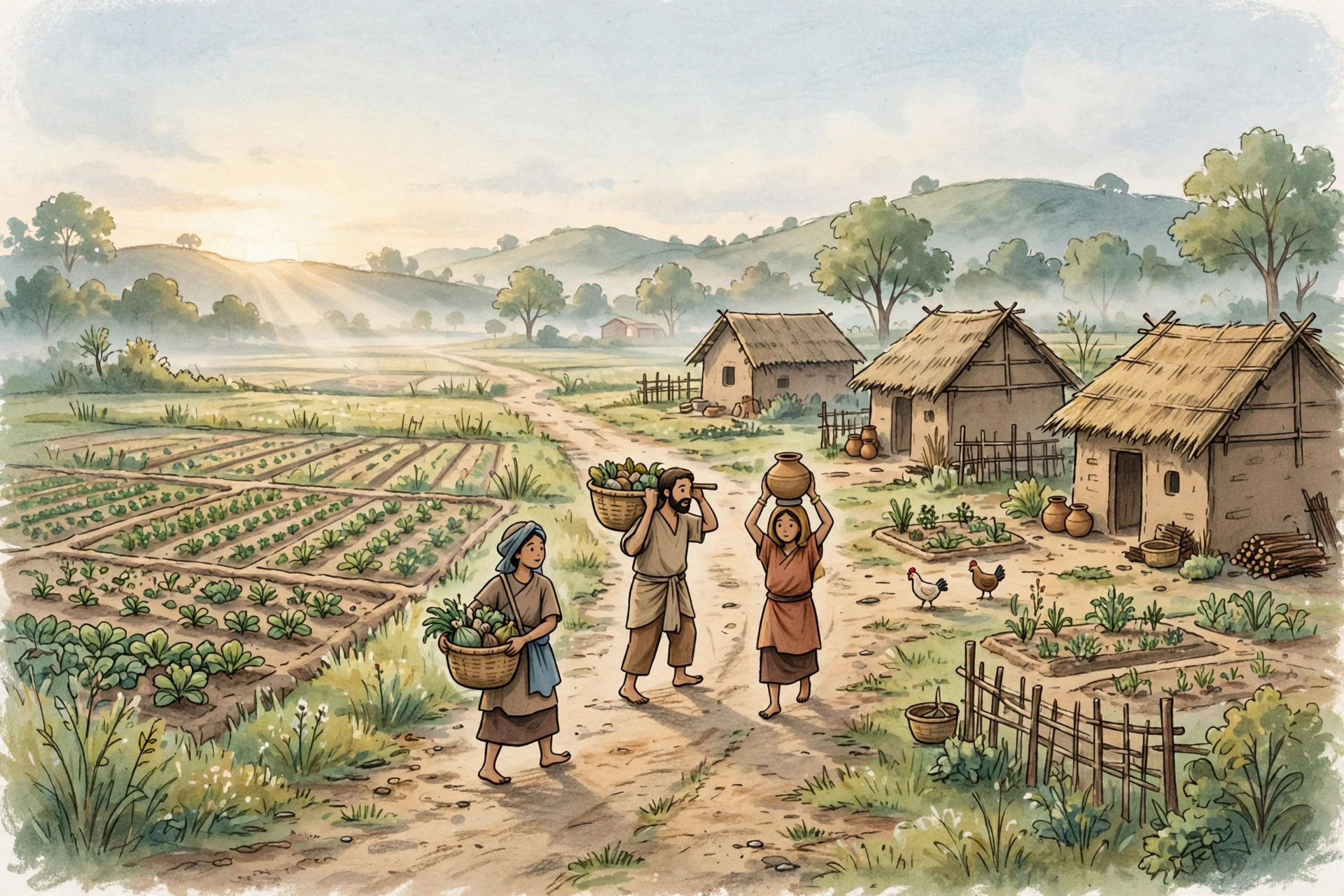
Over time, people started to live in one place instead of moving all the time. They grew food on farms. They built small villages. They kept animals like sheep and goats. When people stay in one place, they need paths even more. They need to go from their home to their field. They need to go to the river to get water. They need to visit the next village to trade, which means to swap goods with other people.
So the paths got wider and clearer. People cleared away rocks and bushes. They filled in muddy holes. Slowly, a simple path became something more like a road.
No one person can take credit for this first step. It was the work of thousands of ordinary people, over thousands of years, just by walking, living, and working together.
The First Planned Roads
After a while, people did more than just walk. They started to plan.
A planned road is a road that someone decides to make on purpose. They choose where it will go. They clear the way. They make it better for walking, for animals, and later, for carts with wheels.
Some of the oldest planned roads we know about were made in Mesopotamia and Egypt, more than 4,000 years ago. Mesopotamia was a land between the Tigris and Euphrates rivers. Today, much of that land is in Iraq. People there built some of the first towns and cities in the world. They needed roads to move grain (seeds from plants like wheat, used to make food), pots, cloth, and other goods.
In Egypt, people built roads to help move huge stones for temples and tombs. A tomb is a place where a dead person is buried, often with great care. The Egyptians did not have trucks or cranes. They used people, ropes, sleds, and simple tools. A good, flat path made that hard work a little bit easier.
In other parts of the world, people were doing the same thing. In what is now India and Pakistan, people in the Indus Valley built towns with straight streets more than 4,000 years ago. Their streets were planned in neat lines, which was very clever for that time.
In Britain, people built a track called the Sweet Track about 6,000 years ago. It was made of wooden planks laid across wet, marshy ground. Marshy ground is soft, wet land that is hard to walk on. The planks helped people cross it without sinking. It is one of the oldest built paths ever found in that part of the world.
These early roads were simple, but they show a big change in how people thought. They were no longer just following a path. They were building one.
The Persian Royal Road: A Road for Messages
About 2,500 years ago, a large empire grew in the Middle East. It was called the Persian Empire. Its king, Darius I, wanted a fast way to send messages and move soldiers across his huge land.
So the Persians built, or improved, a road called the Royal Road. It ran from Susa, a city in what is now Iran, all the way to Sardis, a city in what is now Turkey. That is about 2,700 kilometres. For a person walking, that trip would take about three months.
But with the Royal Road, and with horses waiting at stations along the way, a royal messenger could make the trip in about nine days. That was amazingly fast for that time.
The road had stations where a tired horse and rider could stop, rest, and hand the message to a fresh rider. It was like a relay race, where one runner passes a baton to the next runner. This system helped the king stay in touch with far parts of his empire.
The Greek writer Herodotus, who lived long ago, wrote about these messengers. He said that neither snow, nor rain, nor heat, nor darkness stopped them. That idea is still famous today, and it is even used on some post office buildings.
The Royal Road was not perfect. It was not paved with stone all the way, like later Roman roads. But it was one of the first roads built for a whole empire, with a clear plan and a clear job: to keep a large land connected.
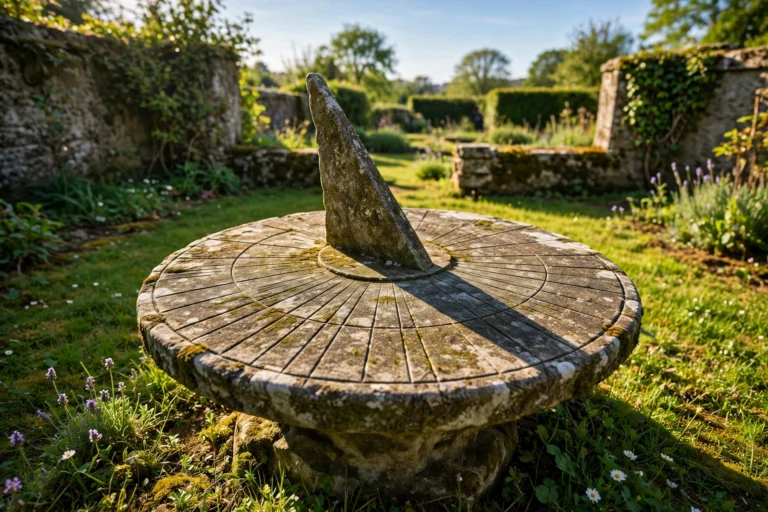
When we think about how ancient people lived and worked, roads like this show how clever they were. They did not just need to know the time of day. They needed to move news, food, and people quickly across long distances.
The Romans: Masters of Road Building
If one group is most famous for ancient roads, it is the Romans.
Rome began as a small city in Italy. Over hundreds of years, it grew into a huge empire that covered much of Europe, North Africa, and the Middle East. To rule such a large land, the Romans needed great roads.
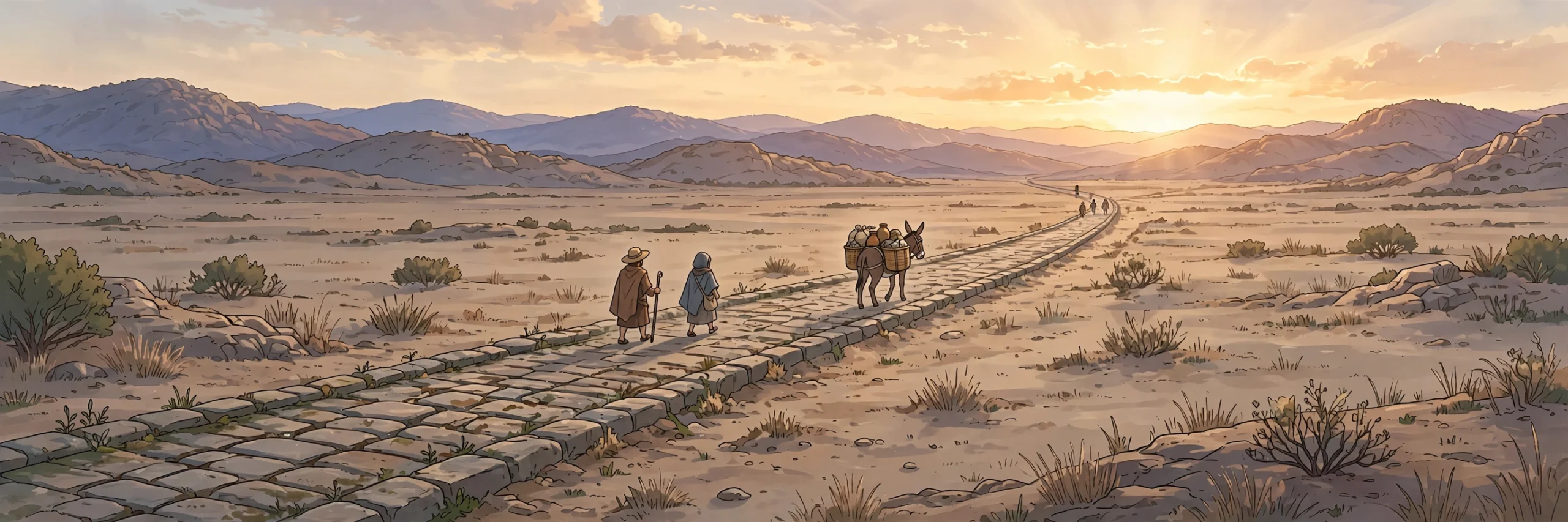
They built more than 80,000 kilometres of paved roads. Paved means covered with a hard, flat surface, like stone. Some of these roads are still there today, more than 2,000 years later. You can still walk on parts of them.
Why were Roman roads so good? Because the Romans built them in layers, like a cake.
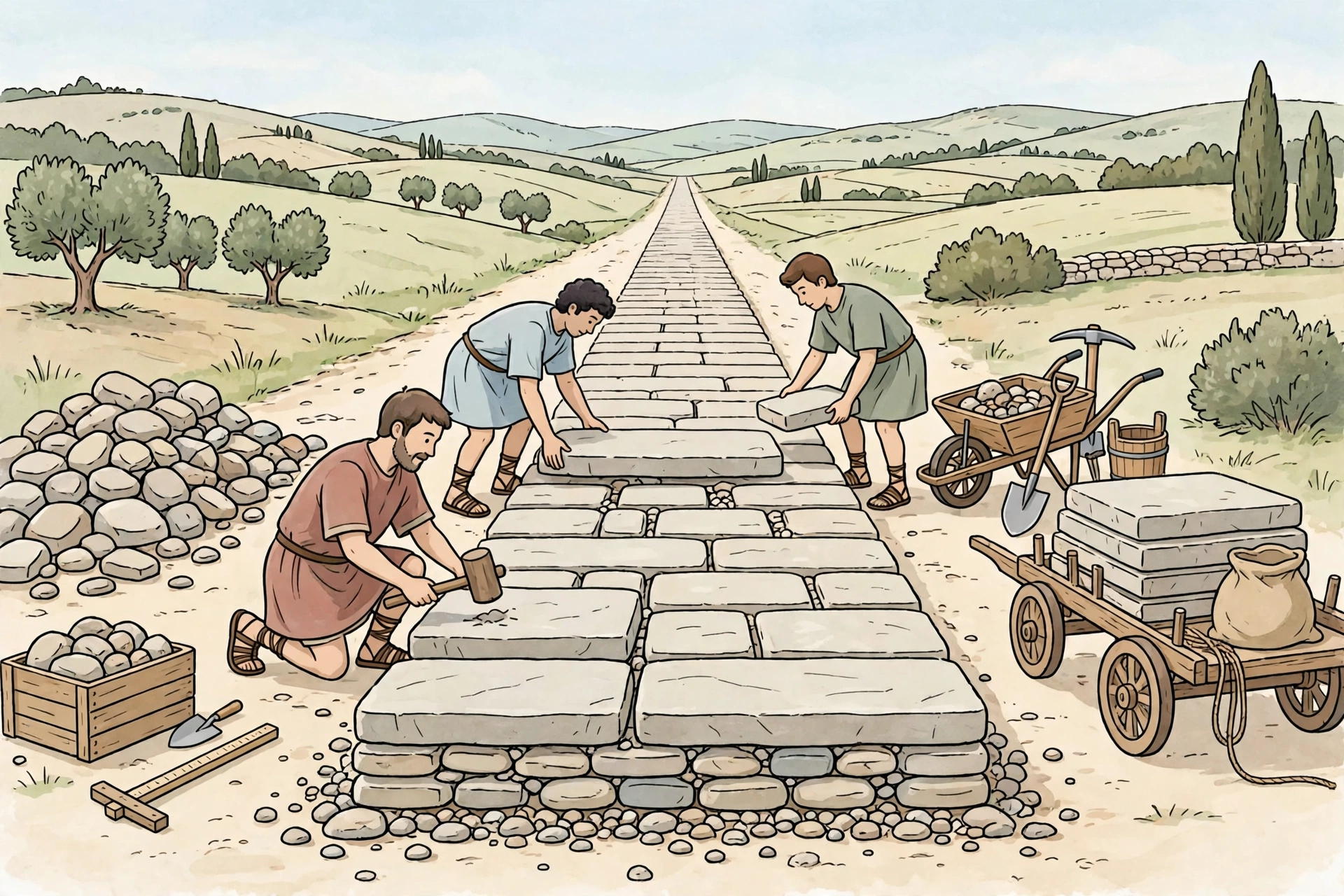
First, they dug a trench, which is a long, narrow hole in the ground. Then they put in a layer of large stones. On top of that, they added smaller stones and gravel, which are tiny pieces of rock. Then they added sand or a mix like cement, which hardens and holds things together. On top of all that, they laid large, flat paving stones, fitted close together.
Roman roads were also built with a slight curve on top, so rainwater would run off to the sides instead of sitting in puddles. They dug ditches, which are narrow channels, on both sides to carry the water away. This kept the road dry and strong.
Roman roads were often very straight. The Romans liked straight roads because they were the shortest way between two places. If a hill was in the way, they sometimes cut through it or built the road over it, rather than going all the way around.
One of the most famous Roman roads is the Appian Way in Italy. It was built in 312 BC, which means more than 2,300 years ago. It ran from Rome to the south of Italy. People called it the “Queen of Roads” because it was so well made.
Another famous road is Watling Street in Britain. The Romans built it after they took over Britain, to move soldiers and goods quickly.
Roman roads were not just for soldiers. Traders used them to carry wine, olive oil, grain, and cloth. Ordinary people used them to visit family, go to markets, and move to new towns. Messages, news, and ideas travelled along them too.
There is a famous saying: “All roads lead to Rome.” That is because so many Roman roads were built to connect far places back to the city of Rome. It was the heart of the empire, and the roads were like lines joining the heart to the rest of the body.
Roads in China, India, and the Americas
Rome was not the only place with great roads. People all over the world built roads in their own clever ways.
In China, roads were built to connect the large empire and to help trade. One famous route was the Silk Road. It was not one single road. It was a network, which means a group of connected paths and roads, that linked China to Central Asia, the Middle East, and Europe. Traders carried silk, spices, tea, and many other goods along it. It also carried ideas, stories, and new ways of doing things.
In India, a great ruler named Ashoka, who lived more than 2,200 years ago, improved roads across his empire. He had trees planted along the roads to give shade to travellers. He had wells dug so people could drink water on long trips. He also set up rest houses where travellers could stop and sleep. These were kind and smart ideas that helped ordinary people travel more safely.
In South America, the Inca people built a huge road system in the Andes mountains, long before cars or modern tools. The Andes are very high, steep mountains. The Inca roads went up and down mountains, across bridges made of rope, and through tunnels cut in rock. Messengers called chasquis ran along these roads, carrying messages quickly from one part of the empire to another, much like the Persian messengers.
In North America, long before Europeans arrived, native peoples made trails across forests, plains, and deserts. Some of these trails later became the paths for modern roads and highways.
All of this shows one clear fact: roads were not invented in one place. Different people, in different parts of the world, saw the same need — to move, to trade, and to stay connected — and they found their own ways to build roads.
How Ancient Roads Were Built
Building a road in ancient times was very hard work. There were no bulldozers, no steamrollers, and no trucks to carry stone.
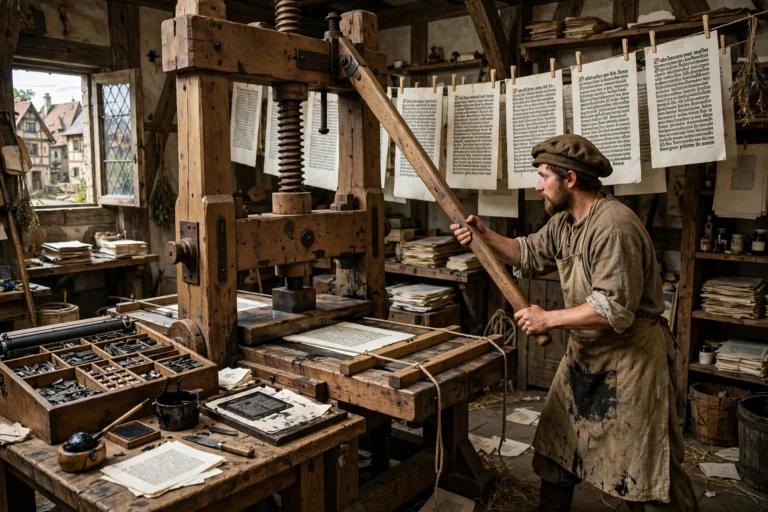
Workers used simple tools: picks to break rock, shovels to move earth, hammers to shape stone, and baskets to carry soil. They used animals like oxen, which are strong, farm animals like cows, to pull heavy loads.
First, surveyors, who are people who measure land, would plan the route. They would choose the best way, avoiding deep rivers and very steep hills where they could.
Then workers would clear trees, bushes, and rocks. They would dig down to firm ground. They would lay the layers of stone, gravel, and sand. They would fit the top stones by hand, one by one.
It could take hundreds or even thousands of workers, working for months or years, to build one long road. It was slow, tiring, and sometimes dangerous work. But the result could last for centuries, which means hundreds of years.
Some roads were built by soldiers, some by paid workers, and sadly, some by enslaved people, who were forced to work without pay or freedom. That is an important, sad part of history. Great buildings and roads often came at a high human cost, and we should remember that when we admire them today.
Why Roads Changed the World
Roads may seem simple, but they changed human life in huge ways.
First, roads helped trade grow. Before good roads, it was hard to move a lot of goods far away. With roads, a farmer could sell grain in a town many days away. A trader could bring cloth, pots, or spices from far lands. People could try new foods and buy things they could not make themselves.
Second, roads helped towns and cities grow. When a road passed through a place, more people stopped there. Shops opened. Markets grew. Inns, which are places where travellers can eat and sleep, were built. A small village on a busy road could grow into a town.
Third, roads helped news and ideas travel. A story, a new farming method, a new religion, or a new way of making things could spread along a road much faster than before. People learned from each other, even if they lived far apart.
Fourth, roads helped rulers govern. Govern is a word for running a land and making rules for it. With roads, a king could send soldiers quickly to protect a border, which is the edge of a land. He could collect taxes, which are payments people make to the ruler, more easily. He could stay in touch with far towns.
Fifth, roads helped ordinary people. A family could visit relatives in another town. A sick person could travel to get help. A young person could move to a city to find work.
In short, roads joined people together. They turned far, separate places into one connected world. That is why the story of roads is really the story of how humans learned to live together in larger and larger groups.
When we look at modern life, we can see the same idea at work. A road today may be made of tar and concrete, not stone, but its job is the same: to connect people.
From Ancient Roads to Modern Roads
After the Roman Empire fell, many roads were not cared for. Some fell apart. Grass grew over them. In some places, people forgot where they were.
But the idea of roads never went away. In the Middle Ages, which is the time in Europe after Rome and before modern times, people still used old Roman roads where they still existed. They also made new dirt tracks.
Later, in the 1700s and 1800s, road builders in Europe started to make better roads again. A Scottish engineer named John McAdam made a new kind of road surface using small, crushed stones packed tightly together. It was called macadam, after his name. It was cheaper and easier to build than Roman stone roads, and it worked well for horse carts.
Then came cars. Cars need smooth, hard roads. In the 1900s, countries built roads of tar and concrete, and later, huge highways with many lanes. Today, roads cover the Earth. There are roads in deserts, over mountains, under the sea through tunnels, and across long bridges.
And yet, the basic idea is the same as it was thousands of years ago: a clear, safe path that helps people get from one place to another.
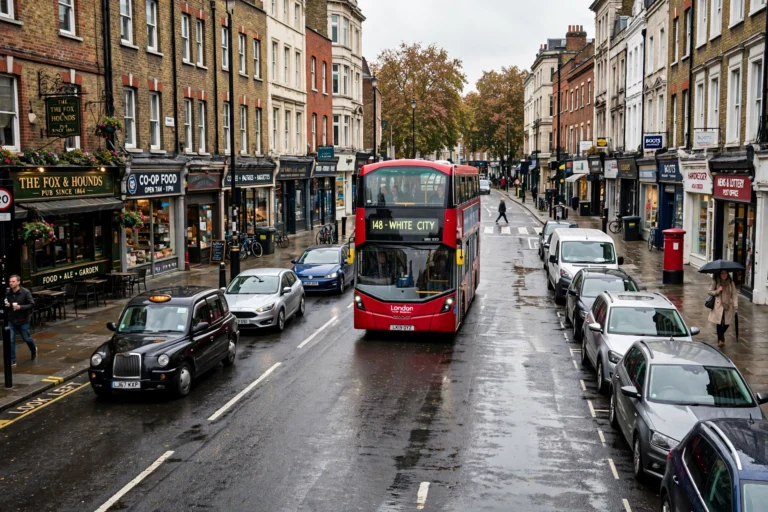
Even today, the way we travel is changing. People now drive on the left side of the road in some countries, and on the right side in others. That choice goes back to old habits, old laws, and old road customs. It is a small reminder that modern roads still carry old history with them.
Big building projects still shape our world, just as they did long ago. The story of the Libya underground river, for example, shows how people still build huge systems to move water across a desert, much as ancient builders moved people and goods across their lands.
FAQs
1. Who built the very first road in the world?
No one person built the very first road. The first paths formed when people walked the same way again and again. Later, people in Mesopotamia, Egypt, and other old lands planned and built paths and roads on purpose. So the first roads were the work of many people over a very long time.
2. Were Roman roads really the best ancient roads?
Roman roads were among the best and most famous ancient roads because they were straight, strong, and built in layers. Many lasted for more than 2,000 years. But other peoples, like the Persians, the Chinese, and the Inca, also built great roads that were very clever for their lands and needs.
3. How long did it take to build an ancient road?
It depended on how long the road was and how many workers there were. A short road might take weeks or months. A long road, like the Appian Way, could take years, with hundreds or thousands of workers using simple tools and animals to move stone and earth.
4. Did ancient roads have names?
Yes, many did. The Romans named their roads, often after the person who ordered the road to be built. The Appian Way was named after Appius Claudius, a Roman leader. The Persian Royal Road got its name because it was used for the king’s messages and business.
5. Can we still see ancient roads today?
Yes. You can still walk on parts of Roman roads in Italy, Britain, and other countries. You can see old Inca roads in South America. Some old paths in Britain, like the Sweet Track, have been found and studied by archaeologists, who are people who dig up and study things from the past. These old roads help us learn how people lived long ago.
Closing
So, who built the first roads in the world? The honest answer is: everyone did, little by little.
First, ordinary people made paths by walking. Then farmers, traders, and builders in old lands like Mesopotamia and Egypt planned better paths. Then kings and empires, like the Persians and the Romans, built long, strong roads to connect their lands. People in China, India, and the Americas did the same in their own ways.
Roads started as simple tracks in the dirt. They grew into stone highways that joined empires. Today, they are the highways and streets we use every day.
Next time you walk or ride along a road, think about that long story. You are using something that people have been building, step by step, for thousands of years — a simple idea that helped the whole world stay connected.