Why Do Some Countries Drive on the Left Side of the Road?
SUMMARY OF THIS ARTICLE
- About one third of the world drives on the left, and two thirds drive on the right.
- Left-side driving started long ago, when most people travelled on horseback.
- Riders kept to the left so their right hand, holding a sword, faced oncoming strangers.
- Britain kept left-side driving and spread it to its colonies around the world.
- France and the United States helped spread right-side driving, which most countries now use.
A Simple Question With a Long History
If you travel from France to Britain, or from the United States to Japan, you will notice something strange at once. Cars drive on the other side of the road. In Britain, Japan, Australia, India, and about 70 other countries and territories, traffic keeps left. In most of the rest of the world, traffic keeps right.
Why is there a difference? Why did the world not agree on one side? The answer is not about safety alone. It is about history, horses, swords, empires, and revolutions. The side of the road you drive on today is the result of choices made hundreds of years ago, and those choices stuck.
In this article, we will explain left-side driving in very simple words. You will learn how horse riders started the habit, how Britain spread it around the world, why France and America chose the other side, and why some countries changed sides later. You will also learn what it feels like to switch sides, and why no one is likely to change the whole world to one side now.
The World Today: Left and Right
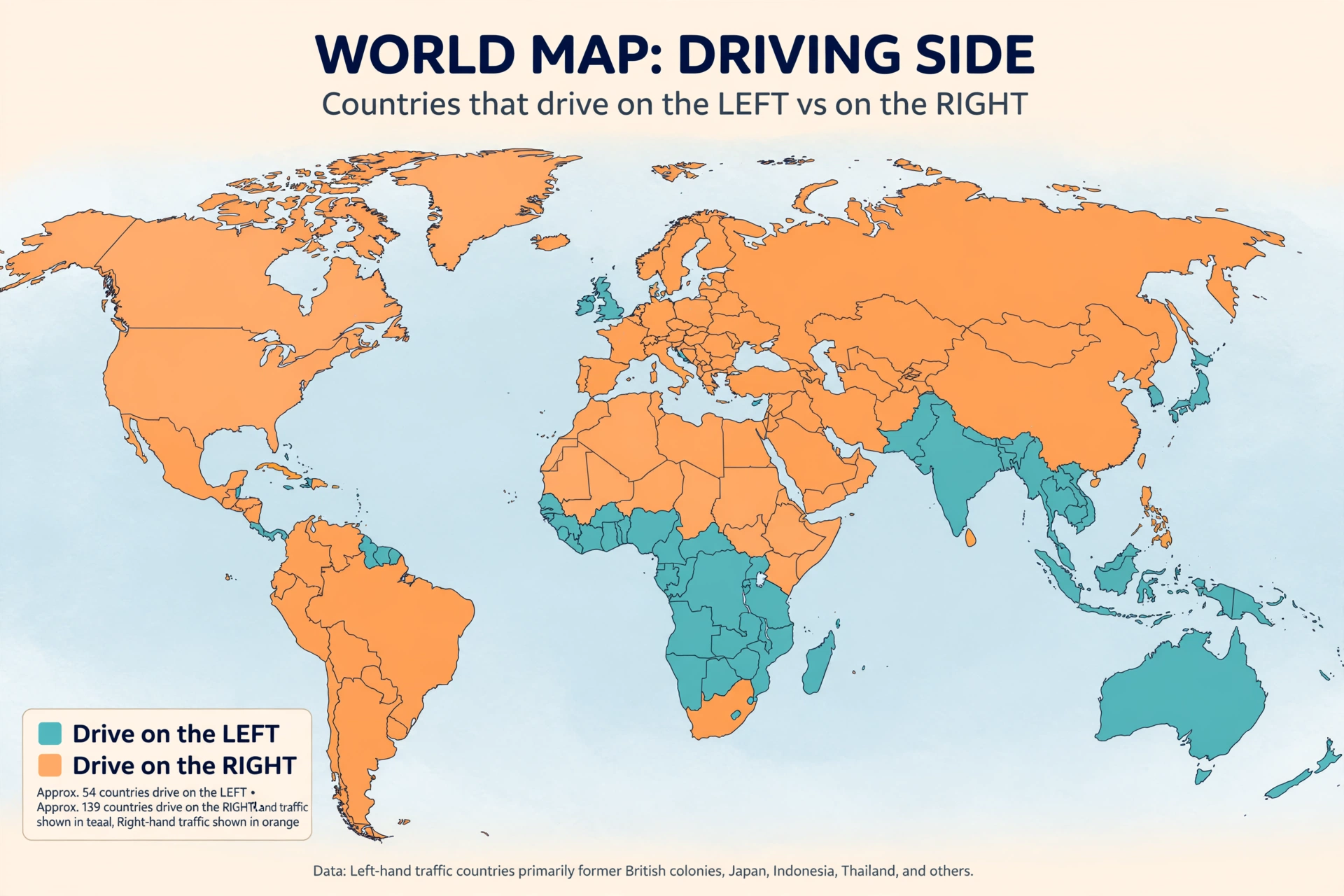
First, let us look at the map today. About 165 countries and territories drive on the right. About 75 drive on the left. That means roughly two thirds of the world drives on the right, and one third drives on the left. But the left-driving countries include some very big places: India, with over a billion people, plus Britain, Japan, Australia, South Africa, and many island nations.
Most of Europe drives on the right. Only Britain, Ireland, Malta, and Cyprus drive on the left in Europe. Most of North and South America drive on the right. Most of Africa drives on the right, except for southern and eastern Africa, where many former British colonies drive on the left. In Asia, Japan, India, Pakistan, Bangladesh, Indonesia, Thailand, Malaysia, and Sri Lanka drive on the left, while China, South Korea, and most others drive on the right.
If you look at a world map of driving sides, you can see the old British Empire clearly. Almost every country that drives on the left was once part of that empire, or was strongly influenced by Britain or Japan. The right-driving world, by contrast, was mostly influenced by France or the United States. That pattern is the key to the whole story.
Horses, Swords, and the Left Side
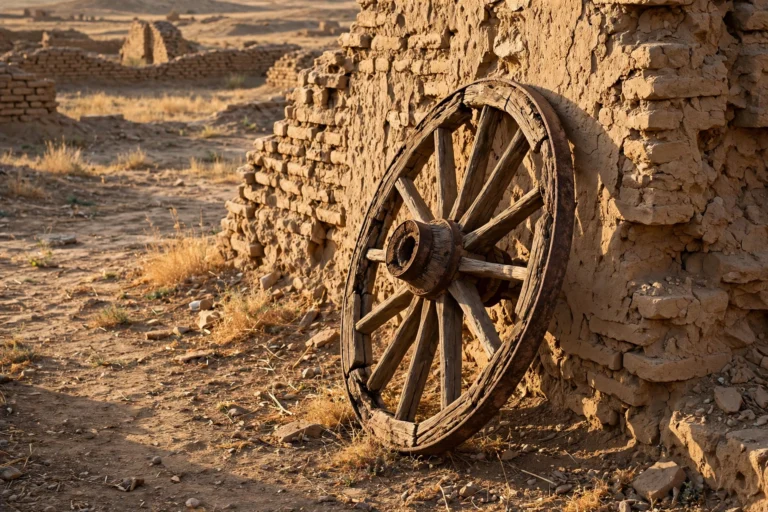
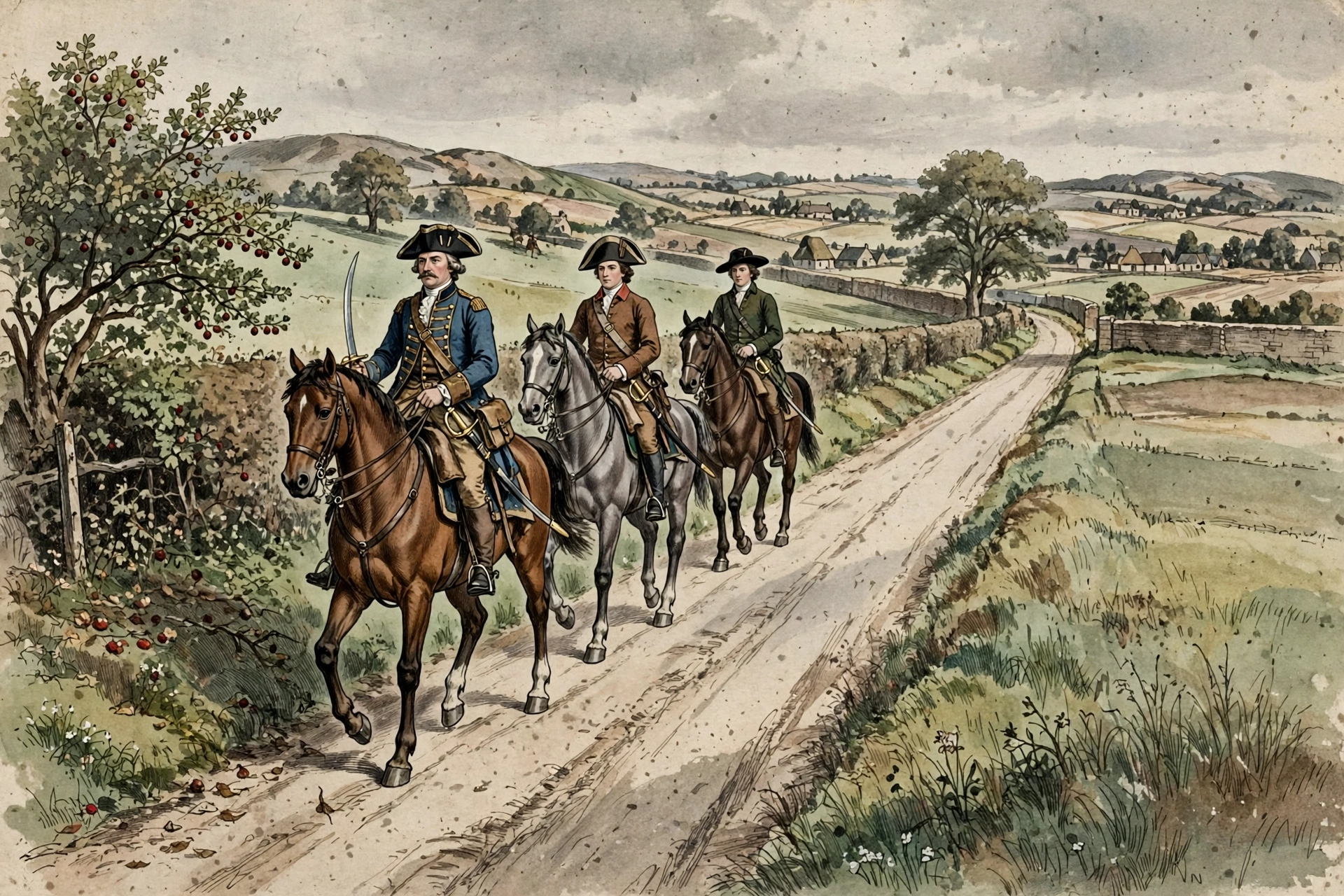
The story starts long before cars. For thousands of years, people travelled on foot, on horseback, or in horse-drawn carts. On narrow roads, travellers had to choose a side to avoid crashing into each other. Most people chose the left, and there was a good reason: most people are right-handed.
Imagine you are riding a horse in the year 1300. You carry a sword on your left hip, so you can draw it quickly with your right hand. If a stranger rides toward you, you want your sword hand to face them. If you ride on the left side of the road, your right hand faces the centre of the road, and the stranger’s right hand faces you too. You can greet them, or defend yourself, with your strong hand.
If you rode on the right, your sword hand would face away from the stranger, toward the edge of the road. That would be a disadvantage in a fight. In dangerous times, that mattered. So riders kept left, and walkers did the same. In Britain, this habit became law. In 1756, London Bridge made a rule: traffic must keep left. In 1773, Britain made a general rule for all roads: keep left.
This was not just a British habit. In many parts of the world, people kept left for the same sword reason. But in some places, a different habit grew, because of large wagons.
Big Wagons and the Right Side
In France and America, a different kind of transport changed the habit. Farmers and traders used very large wagons, pulled by teams of horses. The driver did not sit on the wagon. He sat on the back left horse, or walked beside it. He held the reins in his left hand and a whip in his right hand.
From that seat, on the left horse, the driver could see the left side of the wagon best. But he could not see the right side well. When another wagon came toward him, he wanted to pass on the side he could see. So he kept to the right side of the road, so the other wagon would pass on his left, where he could watch it closely and avoid a crash.
This was practical, not about swords. In the 1700s, France had many of these large wagons. During the French Revolution, in the late 1700s, the new government wanted to break old habits. Aristocrats had kept left, like riders. Ordinary people, the revolutionaries said, should keep right. So France made right-side driving official. Napoleon, the French leader, then spread right-side driving across Europe as his armies conquered new lands.
In America, the same wagon habit made right-side driving natural. The first American rule for keeping right came in Pennsylvania in 1792. New York and New Jersey followed. By the time cars arrived, America was firmly right-driving. When America became a world power, it helped spread right-side driving to other countries too.
How Britain Spread Left-Side Driving
Britain built the largest empire the world has ever seen. At its peak, it ruled about one quarter of the Earth’s land. Wherever Britain went, it took its rules, its language, and its driving side with it. India, Australia, South Africa, Kenya, Malaysia, Hong Kong, and many Caribbean islands all kept left because Britain told them to, and because their roads, cars, and driver training were all built for the left.
Japan is a special case. Japan was never ruled by Britain. But in the 1800s, when Japan started to modernise, it hired British engineers to build its railways. British trains run on the left. So Japanese trains ran on the left too. It made sense to keep road traffic on the same side as rail traffic, so Japan chose the left, and has kept it ever since.
After Britain’s empire ended, most former colonies kept left-side driving. Changing sides is very expensive and very dangerous. You must change all road signs, repaint all road markings, rebuild junctions, and retrain every driver. You must also change buses, so passengers get on from the safe side, and change cars, so the driver sits on the correct side. Most countries decided it was not worth the cost and risk, so they kept the left.
Countries That Changed Sides
Some countries did change sides, and their stories show how hard it is. The most famous case is Sweden. Until 1967, Sweden drove on the left. But all its neighbours, Norway, Finland, and Denmark, drove on the right. Swedish drivers had to be very careful at borders. Also, most cars in Sweden were made for right-side driving, with the driver on the left, which was awkward on left-side roads.
Sweden decided to change. The government planned for years. On September 3, 1967, at 5 a.m., all traffic stopped for a few minutes, then restarted on the right. It was called Dagen H, or H Day, from the Swedish word for right, “höger.” It worked, with very few accidents, because the change was planned in great detail, and everyone knew it was coming.
Other countries changed too. Iceland changed from left to right in 1968, one day after Sweden, for similar reasons. Nigeria changed in 1972. Ghana changed in 1974. Myanmar changed in 1970, though many old cars there still have the driver on the right, which causes problems today.
Samoa did the opposite. It changed from right to left in 2009, to match Australia and New Zealand, where many Samoans live and where most of Samoa’s second-hand cars come from. Samoa’s change shows that the side you drive on is often about trade and neighbours, not about which side is better.
Is One Side Safer Than the Other?
Many people ask: is left or right safer? The honest answer is: neither side is clearly safer on its own. What matters most is that everyone in one place follows the same rule, that roads are well designed, that drivers are trained, and that cars are made for that side.
Some studies have found small differences. For example, in left-driving countries, most drivers are right-handed, and their dominant eye is often the right eye. That can help when looking at oncoming traffic on the right side of the car. But other studies find no clear advantage. The differences are tiny compared to bigger safety factors, like speed, drink driving, seat belts, and road quality.
One real problem is for tourists. A driver used to the right can easily make a mistake in a left-driving country, especially at junctions, roundabouts, and when turning. The most dangerous moment is pulling out of a car park or a side road and forgetting which side to join. Tourists are advised to take extra care, drive slowly at first, and follow the car in front until the habit feels natural.
Car makers also have to think about this. In left-driving countries, the driver’s seat is usually on the right side of the car. In right-driving countries, it is on the left. That is so the driver sits near the centre of the road, where they can see oncoming traffic best. If you import a car made for the other side, you will sit near the kerb, and overtaking becomes harder and more dangerous.
What It Feels Like to Switch Sides
If you have only ever driven on one side, switching feels very strange at first. Your hands want to change gear with the wrong hand. Your feet are fine, because pedals are the same in both systems, but your eyes keep looking in the wrong place. At a roundabout, you must remember to go the other way around. In Britain, roundabouts go clockwise. In France, they go anti-clockwise.
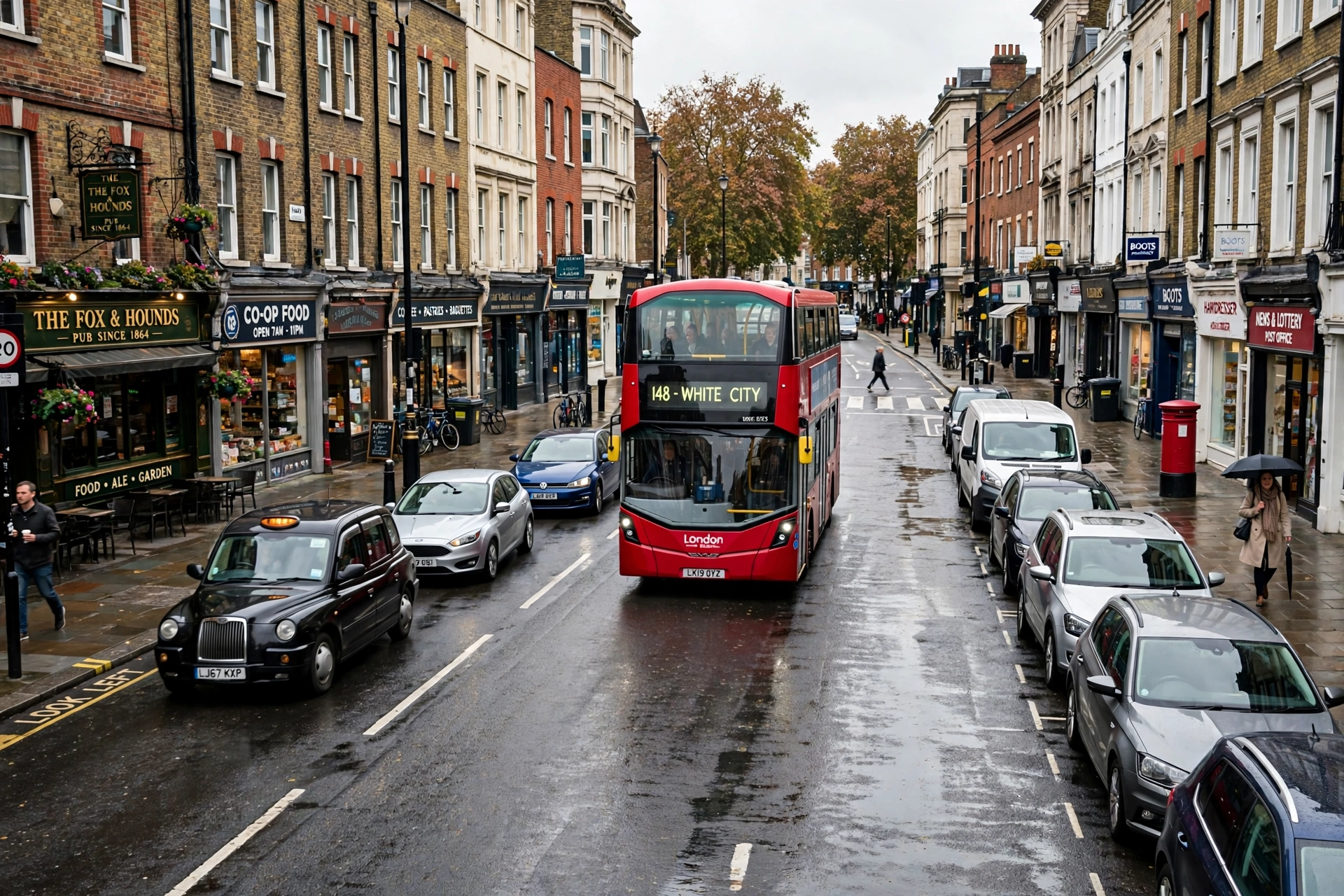
Pedestrians also feel the difference. In a left-driving country, you must look right first when you cross the road, because traffic comes from the right. In a right-driving country, you look left first. Many cities paint “LOOK RIGHT” or “LOOK LEFT” on the road at tourist crossings to help visitors. London is famous for these warnings.
After a few days, most people adapt. The brain learns the new pattern. But the first day is the riskiest. That is why rental car companies in tourist areas often give a short warning, and why some tourists choose to use buses or trains instead of driving in a country with the opposite side.
Why the World Will Not Unite on One Side
Could the world ever agree on one side? In theory, yes. In practice, almost certainly not. The cost of changing a big country like Britain, India, or Japan would be enormous. Every road sign, every bus stop, every traffic light, and every driver’s habit would need to change. The risk of accidents during the change would be high, even with careful planning like Sweden’s.
Also, there is no strong reason to change. Both systems work fine when everyone follows them. No side is clearly better, so no country wants to pay billions to switch for no real gain. International rules allow both sides. Cars are made in both versions. Tourists adapt. So the split will likely stay for a very long time.
That means the map will keep showing the old empires. Left-driving countries will mostly be the old British world, plus Japan and Thailand. Right-driving countries will be most of the rest. It is a living history lesson, written on the roads we use every day.
A Short Timeline
Here is a simple timeline to remember the story. Around 1300, riders in Europe kept left for sword reasons. In 1756, London Bridge made keep-left official. In 1773, Britain made it a general rule. In 1792, Pennsylvania made keep-right official in America. During the 1800s, Napoleon spread right-side driving in Europe, while Britain spread left-side driving in its empire. In 1967, Sweden switched from left to right on Dagen H. In 2009, Samoa switched from right to left. Today, the split remains, and no big country is planning to change.
This timeline shows that driving sides are not random. They follow power, trade, and history. When you drive on the left in Britain or India, you are following a habit that started with swords on horseback. When you drive on the right in France or America, you are following a habit that started with big wagons and a revolution.
Cars, Trains, and Even Planes Follow Sides Too
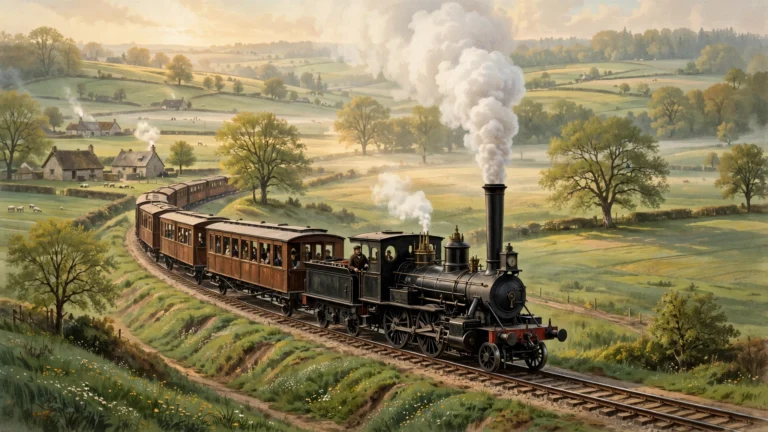
Roads are not the only place where left and right matter. Trains also follow a side, and in many countries trains run on the left even when cars run on the right, or the other way around. In Britain, trains run on the left, just like cars. In France, trains mostly run on the left too, even though French cars drive on the right. That sounds strange, but it happened because early French railways were built by British engineers, who used British habits. Once tracks, signals, and stations are built for one side, changing them is very hard, so the old habit stays.
In some countries, the train side changes at the border. A train from France to Germany must switch sides at some point, because German trains run on the right. Engineers solve this with special track layouts where trains cross over from one side to the other, slowly and safely. Passengers rarely notice, but it is a careful piece of design.
Airplanes do not have a left or right side of the sky in the same way, but pilots still follow rules about passing each other. When two planes meet head on, each turns to the right. That rule is the same all over the world, so pilots do not face the same split as drivers. Ships have similar rules. When two ships meet, they pass on the correct side to avoid a crash, and those rules are also shared worldwide.
Pedestrian habits also follow driving sides in many places. On busy pavements, escalators, and stairs, people often keep to the same side as their road traffic, without thinking about it. In Britain, people tend to walk on the left on a pavement. In America, people tend to walk on the right. It is not a law in most places, but it is a habit that helps people avoid bumping into each other.
Even the design of a car shows the driving side. The driver sits near the centre of the road, as we said. But small things change too. The fuel cap, the windscreen wipers, and the headlights are often set up for one side. Headlights in a left-driving country are angled slightly to the left, so they do not blind oncoming drivers. If you take that car to a right-driving country, you may need to adjust the lights, or use stickers to block part of the beam. Rental companies often do this for tourists.
Another small difference is the layout of a petrol station or a drive-through. In a left-driving country, the driver sits on the right, so drive-through windows are on the right side of the car. In a right-driving country, they are on the left. It is a tiny detail, but it shows how deep the left-right choice goes. Roads, cars, trains, signs, and even fast-food windows are all built around one simple habit, made hundreds of years ago.
Why Children Should Learn This Early
For children, the driving side is a good first lesson in how history shapes daily life. A child in Britain learns to look right first when crossing the road. A child in France learns to look left first. Neither child is wrong. They are just learning the rule of their own place. When families travel, parents must teach the new rule at once, because a child’s habit from home can be dangerous abroad.
Schools in tourist areas sometimes teach both rules. They show children pictures of roads in other countries and ask, “Which way does traffic come from here?” That simple game can save lives. It also teaches children that the world is not the same everywhere, and that different places have different, sensible reasons for their rules.
For adults learning to drive, the first lesson is always the same: keep to your side, stay in your lane, and watch the traffic around you. The side itself does not make a good driver. Attention, patience, and practice do. But knowing why the side exists helps drivers respect it, instead of thinking it is random or silly. It is not random. It is history, and history is still on the road with us every day.
How Driving Sides Connect to Everyday History
Road rules are not the only old habits we still live with every day. Calendars, clocks, and weeks all come from the same long history of people trying to organise time and travel. For example, the seven days in a week we use today also come from ancient sky-watching, just like the left and right sides of the road come from ancient travel. When you understand one old habit, the others start to make sense too.
Frequently Asked Questions
1. How many countries drive on the left?
About 75 countries and territories drive on the left, including Britain, Ireland, India, Japan, Australia, South Africa, and New Zealand. About 165 drive on the right, including most of Europe, North America, and South America.
2. Why did Britain choose the left?
British riders kept left so their right hand, holding a sword, faced oncoming strangers. This habit became law in the 1700s, starting with London Bridge in 1756 and a general rule in 1773.
3. Why does France drive on the right?
French wagon drivers sat on the left horse and wanted to pass other wagons on their left, where they could see them. The French Revolution also made keeping right a symbol of ordinary people, not aristocrats, and Napoleon spread it across Europe.
4. Is it dangerous for tourists to drive on the opposite side?
It can be risky at first, especially at junctions and roundabouts. Tourists should drive slowly, follow other cars, and be extra careful when pulling out of car parks. After a few days, most drivers adapt.
5. Will the whole world ever drive on the same side?
Probably not. Changing a whole country is very expensive and risky, and neither side is clearly safer. Both systems work well when everyone follows the same rule, so countries have no strong reason to change.
Closing
So, why do some countries drive on the left? Because history put them there. Riders kept left for their swords. Britain made that habit law and took it around its empire. Japan followed Britain for its railways. Other countries kept right because of big wagons, revolution, and Napoleon. Sweden and others changed sides later, but only with huge planning and cost.
Today, the split is a map of the past. It tells you where British influence was strong, and where French or American influence was strong. It is not about one side being right and the other wrong. Both work. What matters is that everyone on one road follows the same rule.
Next time you cross a border and see traffic switch sides, remember the swords, the wagons, and the empires. A simple choice, made hundreds of years ago, still shapes how billions of people travel every single day.