Why Do Prices Go Up? Inflation Explained in Simple Words
SUMMARY OF THIS ARTICLE
- Inflation is the name for prices going up over time, so the same money buys less than it did before.
- Prices rise when demand grows, when costs grow, when supply gets smaller, or when people expect prices to keep rising.
- Inflation quietly lowers the power of your money, which is why saving alone may not be enough over many years.
- A little inflation is normal in most countries, but fast or long-lasting inflation makes daily life hard for many families.
- You cannot control inflation, but you can plan better by budgeting, comparing prices, avoiding waste, and learning how money works.
The Bread That Cost Less Last Year
Think about a loaf of bread. Last year, it may have cost a certain amount. This year, the same loaf may cost a little more. Nothing about the bread has changed, yet you need more money to buy it.
Many people notice this first with food. Milk, rice, eggs, fruit, and cooking oil all seem to creep up in price. Then they notice it with other things too. Bus fares go up. School supplies cost more. A haircut costs more. Even small treats, like a snack or a drink, slowly become more costly.
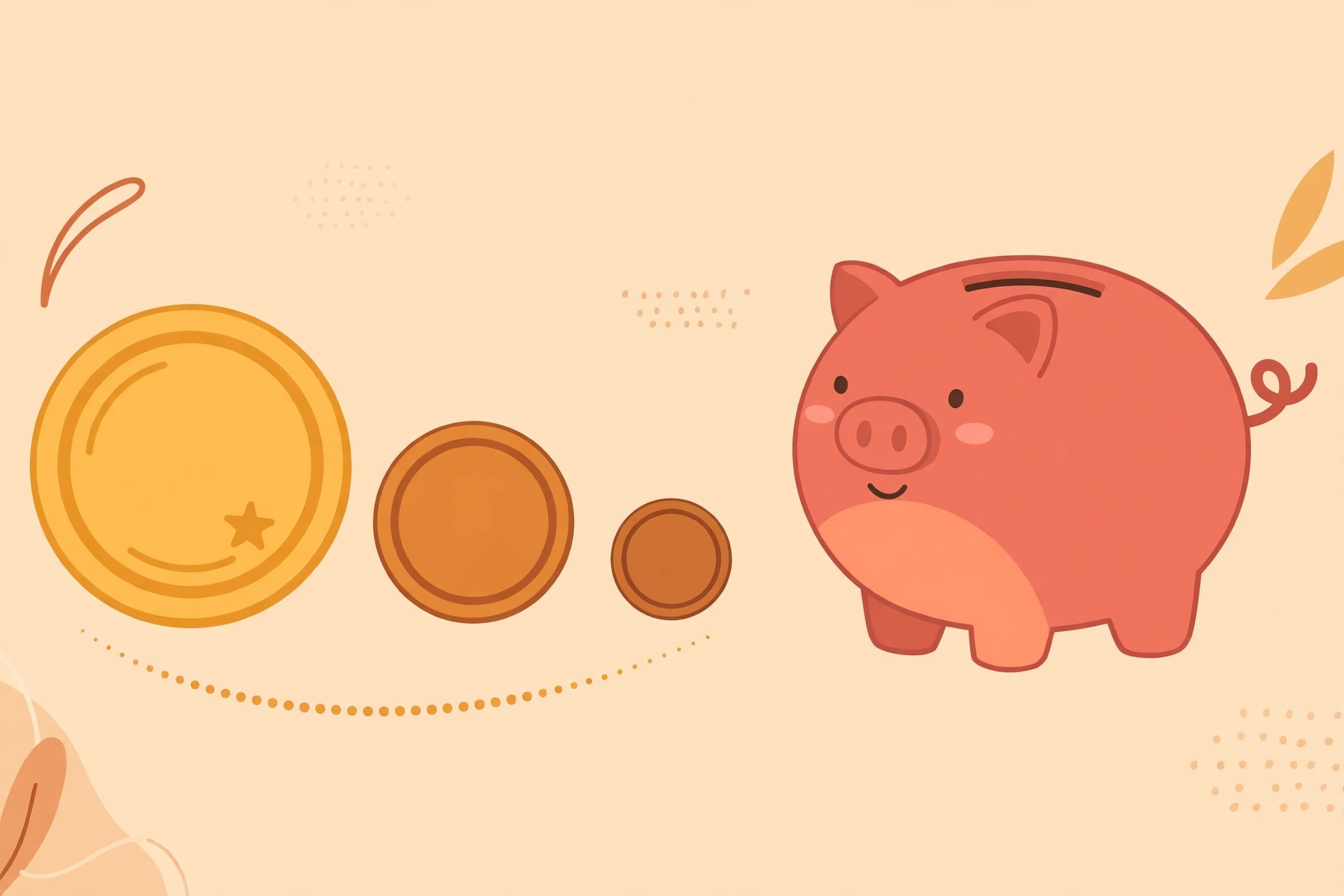
This slow rise in prices has a name. It is called inflation. Inflation is a big word, but the idea is simple. Inflation means that, over time, most prices go up. When prices go up, money buys less. If you had ten coins last year and you could buy ten apples with them, this year those same ten coins may buy only nine apples. Your money did not vanish. It just lost some of its buying power. Buying power means how much you can buy with your money.
Inflation does not mean every price rises at the same speed. Some rise fast, some slowly, and a few even fall. But when we talk about inflation, we mean the general level of prices: the average price of many common things taken together. The answer to why prices go up is not just one thing. Several reasons often work together, so let us look at each one in plain words.
What Inflation Really Means
Inflation is a rise in the general price level over time. General price level sounds hard, but it just means the prices of many goods and services as a whole. Goods are things you can touch and buy, like food, clothes, and soap. Services are jobs done for you, like a bus ride, a haircut, or a visit to a doctor.
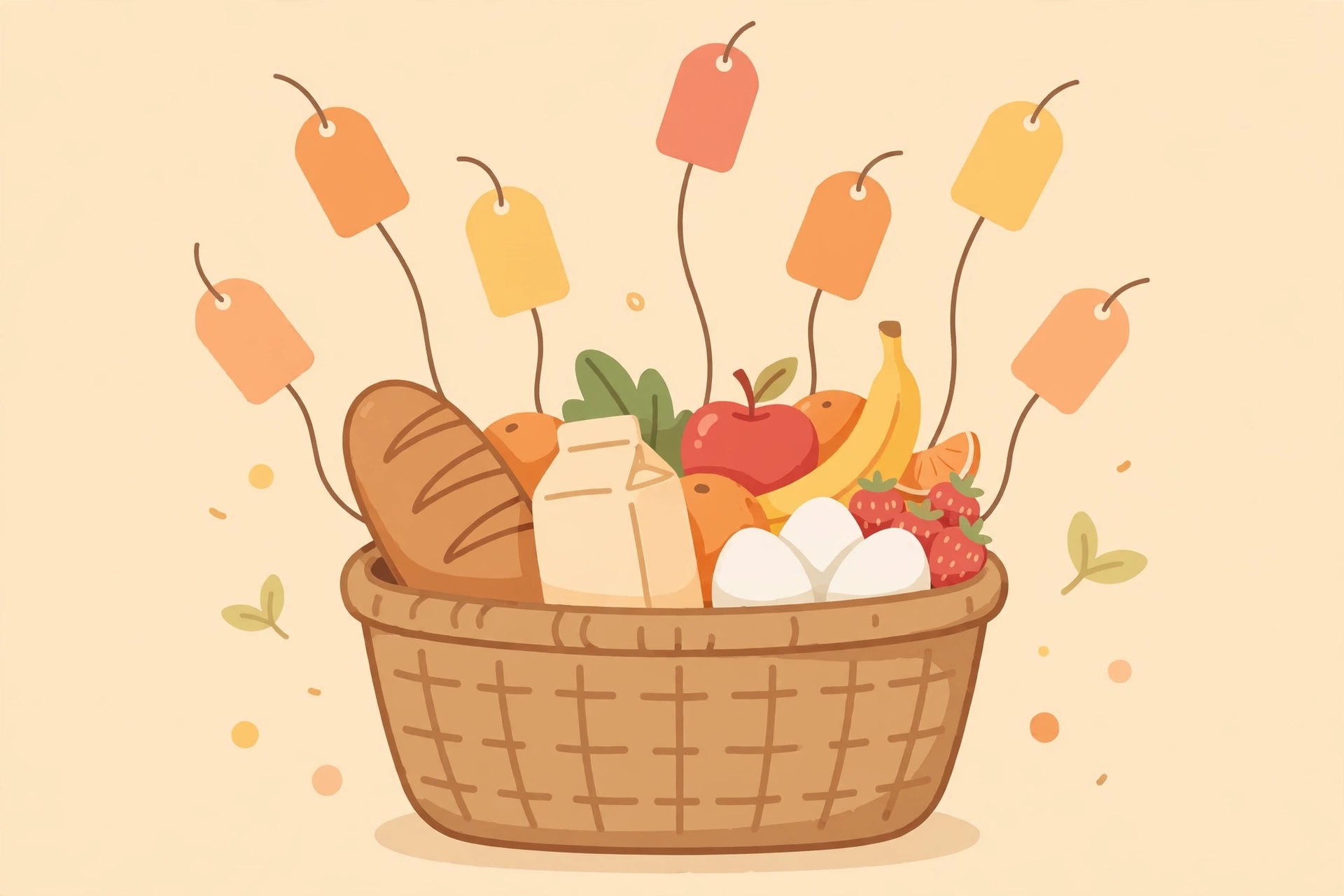
Imagine a big shopping basket. In this basket, you put a little bit of everything a normal family buys in a month: food, rent, fuel, clothes, medicine, school items, and transport. Then you check the total cost of that basket each year. If the basket costs more this year than last year, that rise is inflation. If it costs a lot more, inflation is high. If it costs only a little more, inflation is low.
People who study money use a tool called a price index to do this job. An index is just a number that tracks change, like a score. If the score goes from 100 to 103 in one year, prices rose by about three percent. That means something that cost 100 coins now costs about 103 coins. A rise of two or three percent in a year is common in many countries. A rise of ten percent or more feels much harder, because families notice it every week at the shop.
Inflation is often measured over a year, by comparing prices now with prices one year ago. A small rise each year may not feel huge at first. But after ten years, the same basket of goods can cost much more than it did at the start. It is also important to know that inflation is not the same as one shop raising its price. If one shop charges more because it wants more profit, that alone is not inflation. Inflation happens when prices rise across many shops, in many towns, for many kinds of goods and services. It is a wide change, not a single change.
Reason 1: Too Many Buyers and Not Enough Goods
One big reason prices go up is demand. Demand means how much people want to buy. When many people want the same thing, and there is not enough of it to go around, sellers can charge more. Just remember the picture: too many buyers, not enough goods.
Imagine a small town with only one bakery. The bakery makes one hundred loaves of bread each morning. One day, a festival comes to town, and two hundred people want bread. There are not enough loaves for everyone. Some people will offer more money to make sure they get a loaf. The baker sees this and raises the price. The price goes up because demand is higher than supply. Supply is how much of something is available to buy.
The same thing can happen in a whole country. When jobs are plentiful and people have more money to spend, they buy more. They eat out more. They buy new clothes. They travel more. Shops sell out faster. If shops cannot make or bring in goods fast enough, prices rise. This is not always because shop owners are greedy. It is because buyers are competing for a limited amount of goods.
Demand can also rise when borrowing becomes cheap. When people can borrow easily, they may buy houses, cars, or other big items, and that extra buying pushes prices up. When demand grows faster than supply, prices tend to rise.
Reason 2: When It Costs More to Make Things
Another big reason prices go up is cost. When it costs more to make or move a product, the seller often has to raise the price to stay in business. If costs go up, prices often follow.
Think about a farmer who grows wheat. To grow wheat, the farmer needs seeds, water, fuel for machines, and workers. If fuel becomes more costly, the farmer spends more to run the machines. If workers need higher pay to live, the farmer spends more on wages. Wages are the money paid to workers. To cover these higher costs, the farmer charges more for wheat. The mill that turns wheat into flour then charges more. The bakery that buys flour charges more for bread. One rise in cost moves along the whole chain, like a wave.
Energy costs are a good example. Fuel and electricity are used in almost everything: trucks need fuel to carry food to shops, and factories need power to run machines. When fuel prices rise sharply, those extra costs often show up in the price you pay.
Raw materials can also become costly. Raw materials are the basic stuff used to make things, like metal, wood, cotton, and oil. If cotton becomes costly, clothes become costly. If metal becomes costly, cars and tools become costly. If a storm damages crops, food becomes scarce, which means there is less of it, and prices rise. Weather, wars, and trade problems can all make raw materials harder to get, and that pushes costs up.
Wages play a part too. When the cost of living rises, workers ask for higher pay. Cost of living means how much money you need for daily life, like food, rent, and transport. If bosses agree, their costs rise and they may raise prices, and then workers may ask for even higher pay. It is a loop where costs and prices push each other up.
Reason 3: When Supply Gets Smaller
Sometimes prices rise not because people want more, but because there is less to sell. When supply falls, prices often rise, even if demand stays the same.
A drought is a clear example. A drought is a long time with very little rain. Crops need rain to grow. Without rain, farmers grow less food. Less food in the shops means higher prices for the food that is left. The same happens with floods, storms, and plant diseases. Nature can cut supply very fast.
Supply can also fall because of problems in transport. If a road is closed, a port is blocked, or ships cannot move, goods cannot reach shops on time. Shops run out of stock. When stock is low, prices rise. Even a small delay in one part of the world can affect prices in another part, because so many goods travel across countries today.
Sometimes supply falls because a country stops selling a key product to others, or because trade rules change. For example, if a country that sells a lot of oil sells less of it, oil prices can rise around the world. Since oil is used for transport and power, many other prices rise too. One sudden change in supply can ripple through the whole economy. The economy is the whole system of making, buying, and selling in a country.
Supply problems are often temporary. Rain returns, roads reopen, and factories restart. When supply returns to normal, prices may stop rising so fast, though they do not always fall back to where they started.
Reason 4: Too Much Money Chasing Too Few Goods
Another reason prices rise is the amount of money in the system. If there is much more money going around, but the amount of goods stays the same, each unit of money becomes worth a little less. People have more money to spend, so they bid prices up.
Imagine a small island with ten people and ten coconuts. Each person has ten coins. A coconut costs ten coins. Now suppose each person suddenly gets twenty coins, but there are still only ten coconuts. People can now offer more for a coconut. The price may rise to twenty coins, because there is more money chasing the same number of coconuts. Nothing about the coconuts changed. Only the money changed.
In real life, this happens when a central bank or a government adds a lot of money to the economy. A central bank is the main bank of a country. It helps control money and prices. Sometimes it adds money to help during a crisis, when jobs are lost and businesses are struggling. This can help in the short term. But if too much money is added and goods do not grow at the same pace, prices can rise.
This does not mean all money growth is bad. As a country grows, it needs a bit more money to match more goods and jobs. Problems come when money grows much faster than goods and services. Think of money like tickets at a fair: with one hundred prizes and one hundred tickets, each ticket is valuable, but with one thousand tickets and still one hundred prizes, each ticket is worth less.
Reason 5: What People Expect Matters Too
Beliefs about the future can also push prices up. If people expect prices to rise, they act in ways that make prices rise. This is a self-fulfilling idea: an idea that comes true because people act on it.
Here is how it works. If shop owners think their costs will rise next month, they may raise prices now to be safe. If workers think living costs will rise, they ask for higher pay now. If buyers think prices will be higher next month, they buy now, before prices go up. All of this extra buying and early price raising pushes prices up right away.
Expectations spread through news, talk, and past experience. If prices rose fast last year, people may assume they will rise fast again, so businesses set higher prices and workers seek higher pay. That is why steady, calm expectations matter: when people trust prices will stay fairly stable, they do not rush to raise prices or buy in panic.
This is one reason central banks talk a lot about keeping inflation low and stable. They want people to trust that money will keep most of its value. Trust helps keep expectations calm. When trust is lost, expectations can run ahead, and inflation becomes harder to control.
How Inflation Affects Your Daily Life
Inflation touches daily life in quiet ways. The first way is through shopping. Your weekly shop costs more for the same items. You may bring home fewer bags for the same amount of money. You may switch to cheaper brands. You may cut back on treats. Families with tight budgets feel this first and hardest, because food and rent take up a large share of their money.
The second way is through savings. Savings are money you keep for later. If you keep money in a jar at home, and prices rise by five percent in a year, that money buys five percent less next year. Even money in a bank can lose value if the bank pays less interest than the inflation rate. Interest is extra money a bank pays you for keeping money with them. If inflation is higher than interest, your savings slowly shrink in real terms, which means in terms of what they can actually buy.
The third way is through pay. If your pay stays the same while prices rise, your real pay falls. You work the same hours, but you can buy less. If your pay rises by the same amount as prices, you stay in the same place. If your pay rises faster than prices, you gain. This is why pay talks often mention inflation. Workers want pay to at least keep up with rising prices.
The fourth way is through borrowing. Borrowing means taking money now and paying it back later. If you borrow at a fixed rate, which means the rate does not change, and prices rise fast, you pay back money worth less than before. Planning also becomes hard when prices change fast, because a family cannot be sure what food will cost next month.
Why a Little Inflation Is Seen as Normal
It may surprise you to learn that many experts do not want zero inflation. They aim for low, steady inflation, often around two percent a year. There are a few reasons, explained in simple words.
First, a little inflation gives room to move. If prices fall instead of rising, that is called deflation. Deflation sounds good at first. Who would not want cheaper goods? But deflation can cause problems. If people think prices will fall, they may wait to buy, hoping for a lower price later. Shops then sell less. Businesses earn less. They may cut jobs. Less work means less spending, which can push prices down further. This loop can be hard to break. A little inflation helps avoid that loop.
Second, a little inflation makes it easier for wages and prices to adjust. In real life, it is hard to cut someone’s pay. With a little inflation, a business can keep pay the same in coins, while real pay falls slightly. This gives businesses a softer way to adjust than cutting pay outright.
Third, a little inflation gives central banks room to act. They often lower interest rates, which are the cost of borrowing money, to help in hard times. If inflation is already near zero, rates may already be very low, with little room to cut further.
This does not mean high inflation is good. High inflation hurts savers, confuses planning, and hits poor families hardest. The goal is balance. Low and steady is seen as safer than either high inflation or falling prices. Think of it like body temperature. Too hot is bad. Too cold is bad. A steady, normal range is best.
What Central Banks and Governments Do
When inflation rises too fast, central banks and governments try to slow it down. They have a few main tools. Each tool works slowly, and each has side effects, which means unwanted results along with the wanted ones.
The main tool of a central bank is the interest rate. When rates rise, borrowing becomes more costly, people borrow and spend less, and they save more. When demand cools, price rises often slow down. But higher rates also make home and business loans cost more, and jobs may become harder to find. It is a trade-off, which means giving up one good thing to gain another.
Central banks also watch the money supply and speak to the public to keep expectations calm. If people trust that the central bank will act, they are less likely to panic-buy or raise prices sharply.
What You Can Do When Prices Rise
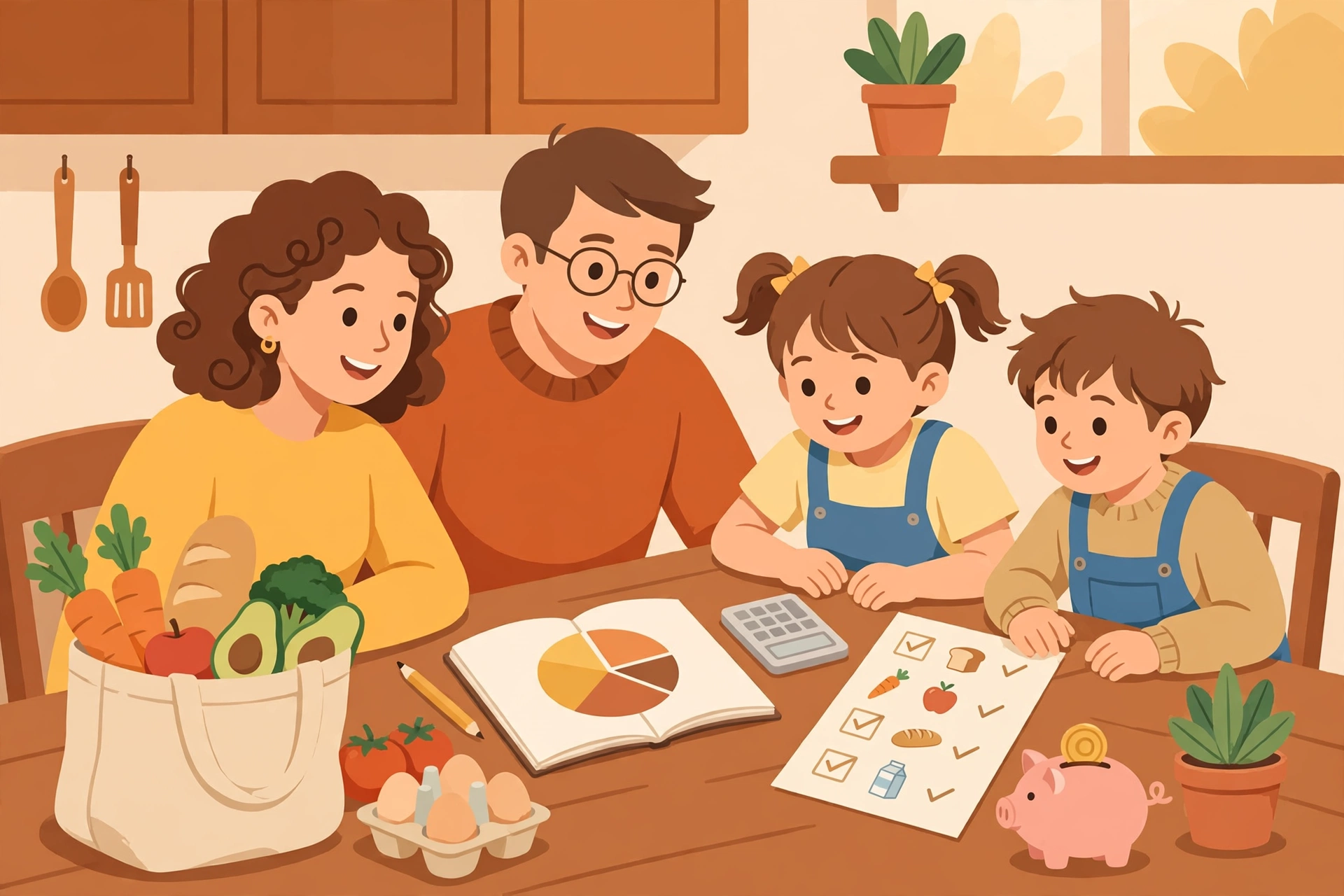
You cannot control inflation on your own. But you can take steps to protect your family budget. A budget is a simple plan for how you will spend money. It lists what comes in and what goes out. These steps will not make inflation vanish, but they can soften its impact.
Start by tracking your spending for a month. Write down what you spend on food, rent, transport, phone, and fun. Many people are surprised by small leaks: little costs that add up, like daily snacks, unused subscriptions, or extra delivery fees. A subscription is a regular payment for a service, like a streaming app.
Next, compare prices before you buy. Different shops often charge different prices for the same item. Buying in bulk, which means buying a larger amount at once, can save money for items that last a long time, like rice, soap, or toilet paper. But only buy in bulk if you have space to store it and you will use it before it goes bad. Otherwise, it is waste, not saving.
Plan meals around what is in season and on offer, cook at home more often, and use leftovers, which are food left from an earlier meal, for lunch the next day. Small habits like this add up over a month.
Review your savings too. If your money sits with no interest, inflation eats it quietly, so look for a safe savings account that pays interest. Avoid risky schemes that promise huge returns fast: if something sounds too good to be true, it often is.
Also, keep learning. Learning how seven days in a week came to be, or how people once measured an hour without modern clocks, shows how simple curiosity helps — just as learning why a phone gets hot while charging makes everyday life clearer.
Finally, do not panic. Panic buying, which means rushing to buy a lot because you fear prices will soar, can make shortages worse. Buy what you need, keep a small buffer for essentials if you can, and talk with family about the budget.
Frequently Asked Questions
1. What is inflation in one simple sentence?
Inflation is a general rise in prices over time, so the same amount of money buys less than it did before.
2. Why do prices go up every year?
Prices go up for several reasons working together: more demand than supply, higher costs for making and moving goods, supply shortages, faster money growth, and expectations that prices will keep rising. No single reason explains every rise.
3. Is inflation always bad?
Not always. Low, steady inflation is normal in many countries and goes with a growing economy. High, fast, or unstable inflation is bad, because it hurts savers, confuses planning, and hits families with tight budgets hardest.
4. Does my pay need to rise with inflation?
To keep the same buying power, yes. If prices rise by five percent and your pay rises by five percent, you can buy about the same amount. If your pay rises by less than prices, you can buy less. If it rises by more, you can buy more.
5. Can inflation ever be stopped completely?
In practice, no country keeps inflation at exactly zero for long. Central banks aim for low and stable inflation, not zero, because zero can slip into falling prices, which bring their own problems. The realistic goal is slow, steady, and predictable price rises.
Closing
Prices go up because the world changes. Crops fail, fuel costs shift, people want more goods, money grows faster than goods, and expectations shift. Often, several of these forces act at once.
You do not need to master economics to handle inflation well. You need a clear picture, a simple budget, and calm habits. Track what you spend, compare prices, cook more at home, and save in a safe place that pays interest. A little inflation is normal, while fast inflation is a signal to plan more carefully, not to panic.
The next time you notice bread costing more than last year, you will know what is happening. It is not just one shop or one product. It is inflation at work, and with that knowledge, you can make steadier choices for yourself and your family.