Why Do We Sneeze? What Happens Inside Your Nose?
SUMMARY OF THIS ARTICLE
- A sneeze is your body’s fast way to push dust, pollen, and other tiny unwanted bits out of your nose.
- Inside your nose, tiny hairs and wet, sticky lining catch dirt before it can go deeper into your body.
- When something tickles the inside of your nose, nerves send a quick signal to your brain, and your brain orders a big, fast breath out.
- Most sneezes are normal and healthy, even sneezing two or three times in a row.
- You can sneeze in a kind way by turning away, using your elbow or a tissue, and washing your hands after.
What Is a Sneeze?
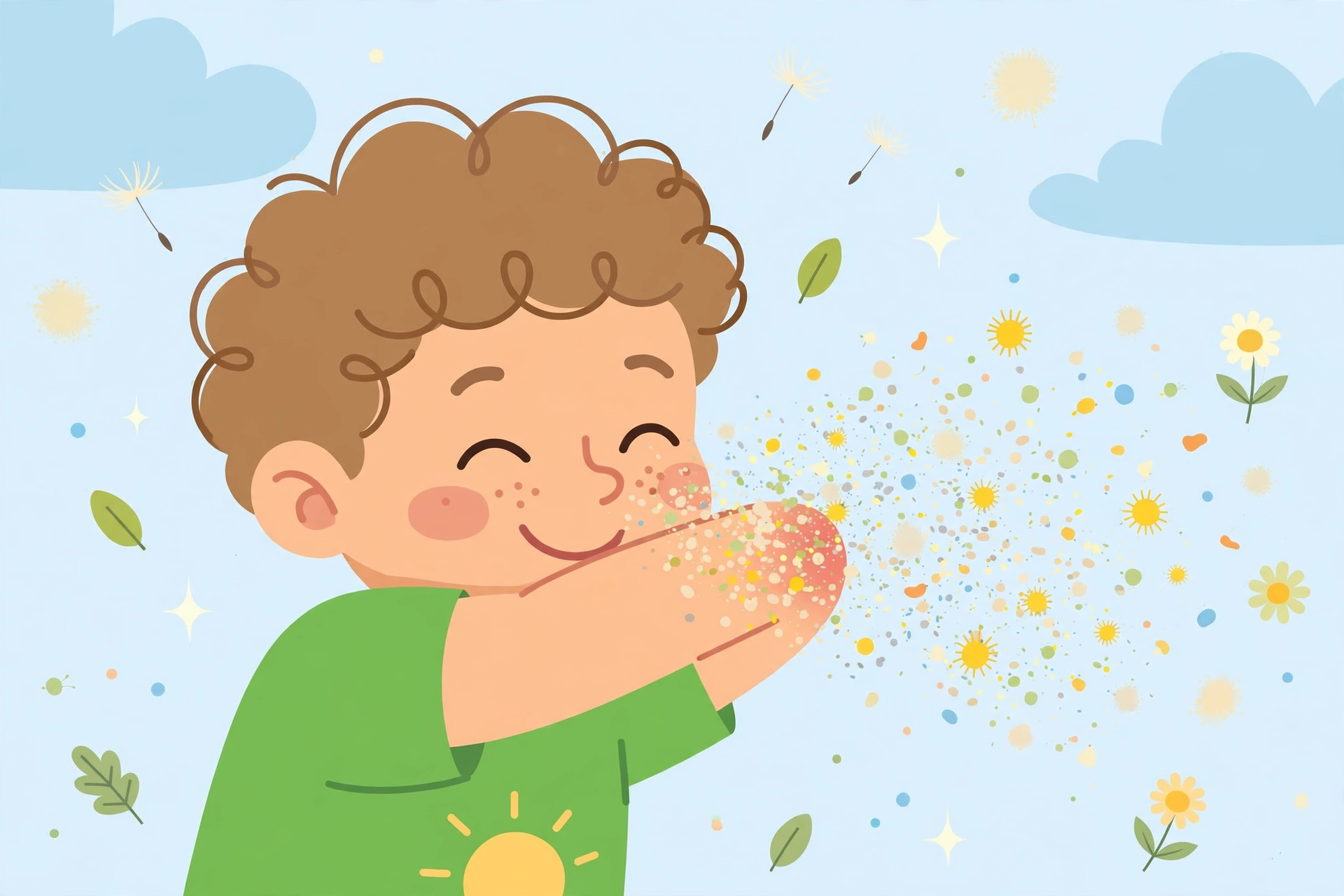
A sneeze is a sudden, strong breath out through your nose and mouth. It often starts with a funny tickle deep inside your nose. Then you take a quick breath in, and then — achoo! — air rushes out very fast. You do not plan a sneeze. Your body does it for you, almost like a reflex. A reflex is an action your body does on its own, without you having to think about it first. Blinking when something comes near your eye is another reflex.
Think of a sneeze as your body’s cleaning team at work. Your nose is the front door to your breathing system. Every day, you breathe in air that carries dust, pollen, smoke, tiny bits of pet hair, and germs. Germs are tiny living things, so small you cannot see them, and some of them can make you sick. Your body does not want these unwanted guests to travel deep into your lungs. Your lungs are the soft organs in your chest that help you breathe. So when something irritates, or bothers, the inside of your nose, your body hits a reset button: it sneezes, and the fast air pushes the troublemaker out.
A sneeze can be loud or soft. It can be one quick burst or a few in a row. Some people sneeze quietly, almost like a small puff. Others sneeze so loudly that people in the next room hear it. Both are normal. The sound is made by air rushing past parts of your nose, mouth, and throat at high speed. The word “achoo” is just the fun sound people in English often use to copy that noise. In other languages, people copy the sound in different ways, which is a fun reminder that a sneeze itself is the same all over the world, even if the word for it changes.
Most of the time, a sneeze is a good sign. It means your body’s guard system is awake and doing its job. You do not need to feel shy about sneezing. Everyone sneezes, from babies to grandparents, and even many animals sneeze too. Dogs sneeze when they play. Cats sneeze when dust tickles their noses. Your body is simply keeping its airways clean.
Inside Your Nose: A Busy Tunnel
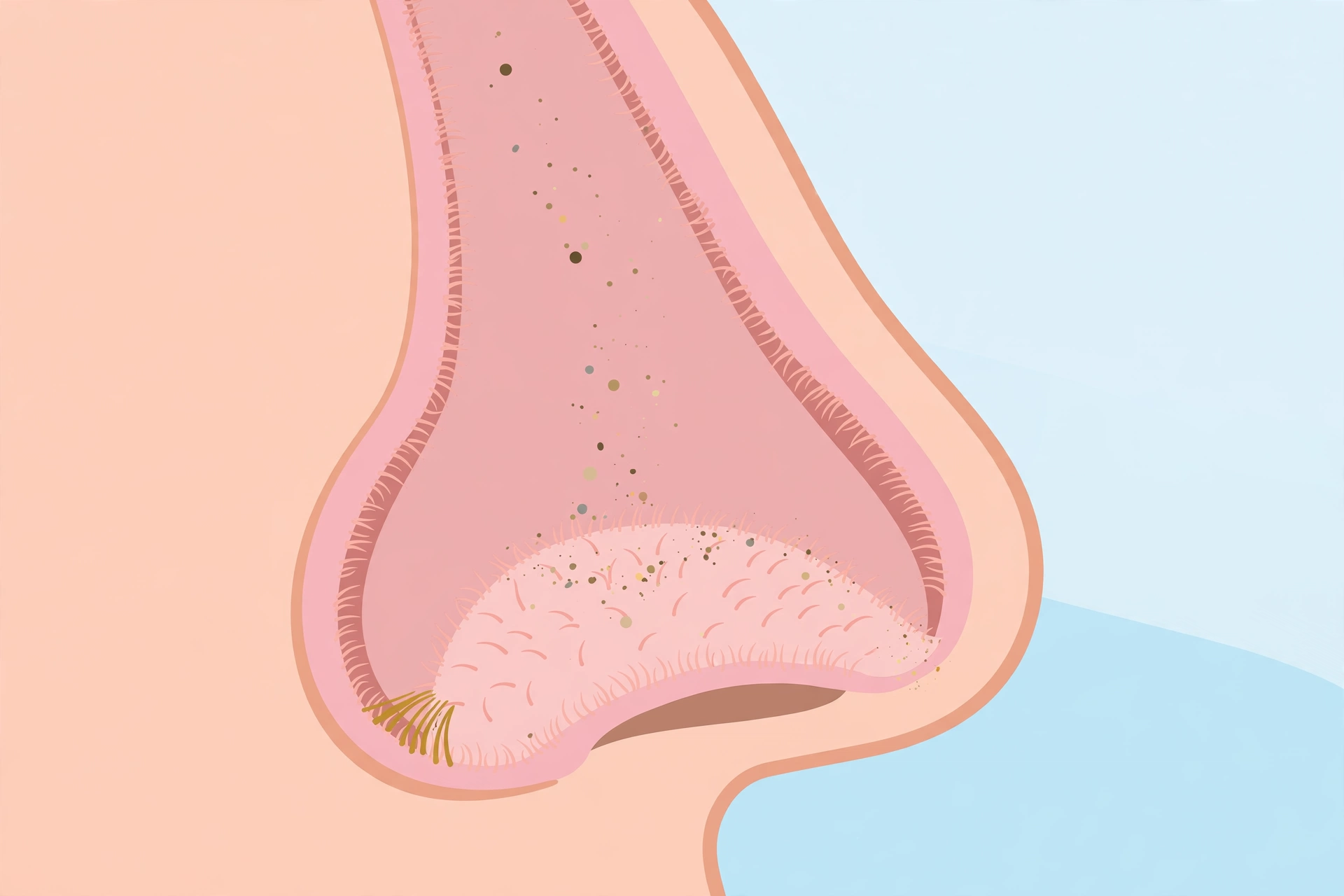
Your nose looks small from the outside, but inside it is a busy, clever tunnel. The inside of your nose is lined with a soft, pink skin called the mucous membrane. Mucous membrane is a long name for wet, soft skin inside your body. It makes mucus, the sticky, wet stuff that is often called snot. Mucus may sound yucky, but it is very useful. It traps dust and germs like sticky tape traps crumbs.
Your nose also has tiny hairs called cilia. Cilia is a science word for very small, hair-like parts that move in waves. You can think of them as tiny brushes. They sweep mucus, dust, and trapped bits slowly toward the back of your nose or throat, where they can be swallowed or blown out safely. Your stomach acid, the strong liquid in your stomach that helps break down food, can deal with many swallowed germs. So your nose is not just a hole for air. It is a filter, a cleaner, and a guard, all in one.
Air also gets warmed and made wet inside your nose before it reaches your lungs. This matters on a cold day or in dry air. Your lungs work best when the air they get is warm and a little wet, not icy and dry. The blood vessels inside your nose help with this job. Blood vessels are tiny tubes that carry blood around your body. Warm blood flowing near the nose lining warms the air as it passes by. That is one reason your nose can feel stuffy when you have a cold: the blood vessels swell up, which means they grow bigger, and the tunnel gets narrower.
Under the lining of your nose are nerves. Nerves are like tiny wires that carry messages between your body and your brain. Some nerves in your nose are very sensitive. Sensitive means they notice small changes fast. When dust lands on them, or when a strong smell hits them, they send a message at once: something is here that should not be here. That message is the first step of a sneeze.
What Starts a Sneeze?
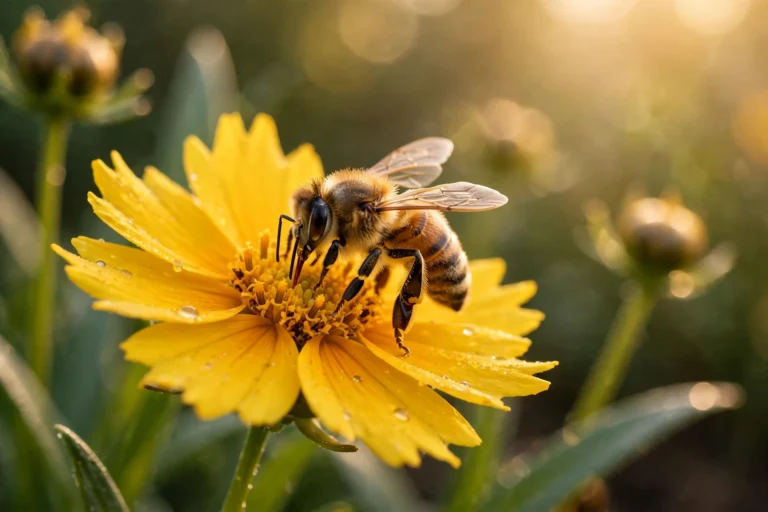
Many different things can start a sneeze. Dust is one of the most common. Dust is made of tiny bits of skin, cloth, soil, and other small things floating in the air. You cannot always see dust, but your nose can feel it. Pollen is another big trigger. A trigger is something that starts a reaction. In spring, when many plants release pollen, some people sneeze a lot more. This is often called hay fever, but it is not caused by hay alone, and it does not cause a fever. It is an allergy. An allergy is when your body overreacts, or reacts too strongly, to something that is harmless for most people.
Strong smells can also make you sneeze. Perfume, cleaning sprays, smoke from a fire, and the smell of pepper are common examples. Pepper is famous for this. Tiny pepper bits float up and tickle the nose lining. Your brain treats them as invaders and orders a sneeze to push them out. Smoke works in a similar way. It irritates the lining, which means it bothers or stings it, and the nose wants it gone fast.
Cold air is another trigger. When cold air rushes into a warm nose, the lining can swell a little, and the nerves can get jumpy. Some people sneeze when they step out into cold morning air. Others sneeze when they move from a warm room into cold air outside. Bright light can also trigger sneezes in some people. This is called the photic sneeze reflex. Photic is a science word that means “related to light.” About one in four or five people may have this trait, which means it runs in their family. For them, looking at bright sunlight can set off a sneeze or two. Scientists think the nerves for the eyes and the nose sit close together in the brain, so a strong light signal can spill over and wake up the sneeze signal by mistake.
Colds and flu can make you sneeze more, too. When a virus infects your nose, the lining swells and makes extra mucus. A virus is a tiny germ that can make you sick. Your nose becomes extra sensitive, so even small bits of dust can set off a sneeze. That is why sneezing often comes with a runny nose and a stuffy feeling when you are sick. Your body is trying to wash the germs out with mucus and push them out with sneezes.
The Sneeze Signal Travels Fast
Once a nerve in your nose sends its alarm, the message travels to your brain very fast. The brain part that handles sneezing is in the lower back part of the brain, near where the brain meets the spinal cord. The spinal cord is a thick bundle of nerves that runs down your back. You can think of the sneeze centre in the brain as a control room. It takes in the alarm, checks it, and sends out orders to many parts of the body at once.
First, it tells your eyes to close. Then it tells your chest and belly muscles to get ready. Then it tells you to take a deep breath in. Your ribs move out, your belly moves, and air fills your lungs. This deep breath is like pulling back a bow before letting an arrow fly. It stores up power for the big push that comes next.
Then, in a split second, the control room sends the “go” order. Your belly and chest muscles squeeze hard. Air rushes up from your lungs, through your windpipe, and out through your nose and mouth at high speed. Your tongue may lift, your throat tightens, and your soft palate, the soft part at the back of the roof of your mouth, moves to send most of the air out through your nose. The whole event lasts less than a second, but it uses many muscles at once: in your chest, belly, throat, face, and even your neck.
Step by Step: What Happens in a Sneeze
Let us walk through a sneeze slowly, step by step, even though in real life it happens in a flash.
Step one is the tickle. A bit of dust, pollen, or a strong smell lands on the lining of your nose. The nerves there wake up and send a message to the brain. You may feel an itch, a tickle, or a strange feeling that a sneeze is coming.
Step two is the breath in. Your brain tells your breathing muscles to take a deep, quick breath. Your chest expands, and air fills your lungs. This is the quiet moment just before the sneeze, when people often make a small “ah” sound.
Step three is the build-up. Your eyes close tight. Your belly tightens. Pressure builds up inside your chest, like air building up in a balloon. Your body holds this pressure for a tiny moment.
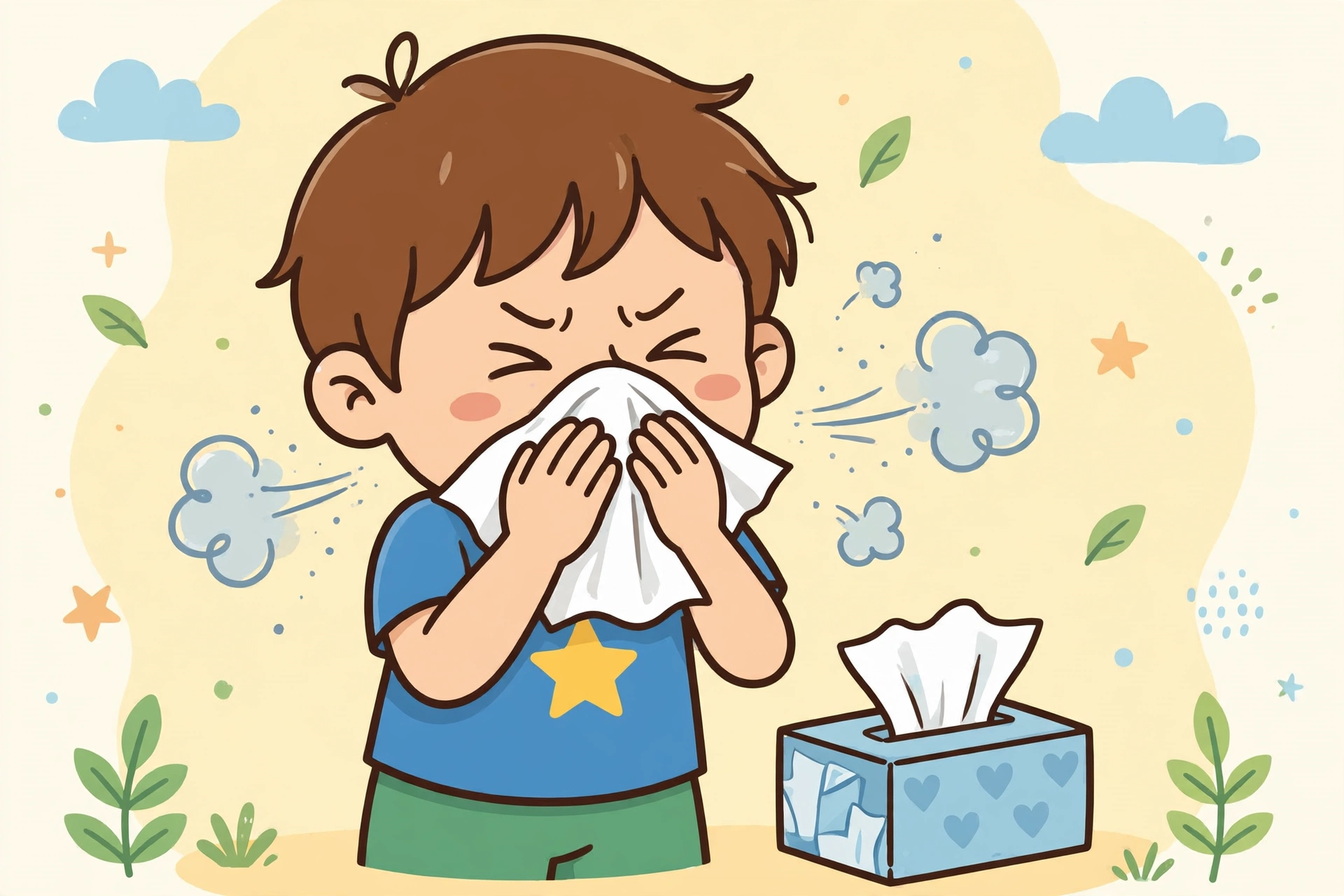
Step four is the release. Your muscles squeeze hard, and air bursts out through your nose and mouth. Tiny drops of mucus and saliva, the wet liquid in your mouth, fly out with the air. This is why it is kind to sneeze into your elbow or a tissue: those drops can carry germs to other people.
Step five is the rest. Your muscles relax. Your eyes open. You may feel a little surprised, or relieved, which means glad that the tickle is gone. If the nose still feels tickly, the whole cycle may start again. Some people sneeze once and feel fine. Others need three or four sneezes to feel clear. Both patterns are normal.
Why Do We Close Our Eyes When We Sneeze?
Have you ever tried to sneeze with your eyes open? It is very hard, and most people cannot do it. Your brain closes your eyes as part of the sneeze order. This is not just a habit. It is a safety step built into the sneeze.
One reason is protection. A sneeze sends out fast air and tiny drops. Closing your eyes keeps those drops and bits from flying into your eyes. Your eyes are soft and sensitive, and they do not like dust or germs. Your eyelids act like shields that snap shut just in time.
Another reason is that the same control room in the brain that orders the sneeze also talks to the nerves that control your eyelids. When the sneeze order goes out, the “close your eyes” order goes out with it. The two actions are linked, like two lights wired to the same switch. You do not choose to close your eyes during a sneeze. Your brain does it for you.
There is a common myth, a story people believe that is not true, that your eyes will pop out if you sneeze with them open. That is not true. Your eyes are held firmly in place by muscles and tissue, and a sneeze cannot push them out. Still, it is not a good idea to force your eyes open during a sneeze. Let your body do what it does best: close, sneeze, and open again, safe and sound.
This eye-closing also helps explain why bright light can trigger sneezes in some people. The nerves for the eyes and the nose share nearby paths in the brain. A strong light signal can wake up the nearby sneeze path. That is why some people sneeze when they walk out into bright sunshine after being inside. It is not the sun hurting them. It is their wiring mixing up two close signals.
Why Do We Sometimes Sneeze Many Times in a Row?
Sneezing once is common, but sneezing three, four, or even five times in a row is also normal. There are a few simple reasons for this. First, one sneeze may not clear all the dust. If a lot of pollen landed in your nose, or if the lining is swollen from a cold, one big push may leave some bits behind. Your brain senses that the tickle is still there, so it orders another push, and then another, until the nose feels clear.
Second, some people simply have a sneeze pattern that repeats. Just as some people laugh in short bursts and others laugh in long rolls, some people sneeze in sets. This can run in families. If your parent sneezes three times every time, you might do the same. It does not mean anything is wrong. It is just how your body’s control room likes to finish the job.
Third, the trigger may still be in the air around you. If you are standing in a dusty room, or walking through a field full of pollen, new bits keep landing in your nose even as you sneeze out the old ones. Your body keeps cleaning because the air keeps bringing new work. Moving to cleaner air, or away from the strong smell, often stops the sneezing chain. If you keep sneezing in one place but stop when you leave it, the place itself may hold the trigger.
A long run of sneezes can feel tiring, and it can make your nose sore or your eyes water. Eyes watering happens for a similar reason to why onions can make eyes water: the body tries to wash away something that bothers it. If you sneeze many times every day for weeks, or if sneezing comes with itchy eyes, a blocked nose, and trouble sleeping, it may be worth talking to a doctor about allergies. Allergies can often be helped, and you do not have to just live with constant sneezing.
Sneezes, Colds, and Allergies: What Is the Difference?
Not all sneezes mean the same thing. A sneeze from dust is quick and simple. You sneeze, the dust is out, and you feel fine. A sneeze from a cold is part of a bigger picture. With a cold, you may also have a sore throat, a runny or blocked nose, a cough, and tiredness. The cold virus makes the nose lining swollen and sensitive, so sneezes come more often, and mucus becomes thicker or changes colour.
A sneeze from an allergy is different again. Allergies often bring itchy eyes, an itchy nose, and sneezing in bursts, but usually no fever and no body aches. Allergy sneezes often follow a pattern: they get worse in a certain place, at a certain time of year, or around a certain animal or plant. For example, some people sneeze more in spring when pollen fills the air. Others sneeze around cats or dogs, or when dust is stirred up while cleaning. If you notice a pattern, that pattern is a useful clue. Writing down when you sneeze can help a doctor work out the trigger.
Cold air can also play a part. Cold air can make your nose lining swell and your nerves jumpy, which is one reason some people sneeze on a cold morning. The cold does not give you a cold virus, but it can wake up a sensitive nose. Wearing a scarf over your nose in very cold air, or breathing through your nose slowly, can sometimes help.
It is also worth knowing that sneezes can spread germs. When you have a cold or flu, the tiny drops from your sneeze can carry the virus to people near you. That is why covering your sneeze and washing your hands are kind, simple steps. They protect your friends, your family, and people you meet at school or work. A sneeze itself is healthy, but sharing germs is not kind, so good habits matter.
Good Sneeze Habits for Everyone
Good sneeze habits are simple, and they help everyone around you. First, turn away from other people when you feel a sneeze coming. Second, sneeze into your elbow, not your hands. Your elbow is less likely to touch door handles, food, or other people’s hands. If you have a tissue, use it to cover your nose and mouth, then throw it away at once and wash your hands with soap and water. Soap and water are better than just wiping your hands on your clothes, because soap helps wash germs away.
Third, do not hold in a sneeze on purpose by pinching your nose shut and closing your mouth. Holding in a sneeze builds up pressure inside your head and ears, and in rare cases it can hurt your ears or blood vessels. It is much safer to let the sneeze out, into your elbow or a tissue, away from others. Your body built the sneeze as a release valve, a way to let pressure out safely. Let it do its job.
Fourth, keep your living space a little cleaner if dust makes you sneeze. Dusting with a damp cloth, washing curtains, and vacuuming carpets can cut down the dust in the air. Vacuuming means cleaning with a machine that sucks up dust. Opening a window for fresh air can help too, unless pollen outside is the problem. Then it may be better to keep windows closed on high-pollen days and shower after coming inside, to wash pollen off your skin and hair.
Frequently Asked Questions
Why do we sneeze?
We sneeze because something bothers the inside of our nose, such as dust, pollen, smoke, or a strong smell. Nerves in the nose send a signal to the brain, and the brain orders a fast, strong breath out to push the bother out. It is your body’s cleaning reflex, and it keeps your airways clear.
Is sneezing a sign of being sick?
Not always. Many sneezes are just from dust, pollen, cold air, or bright light, and the person is healthy. But sneezing can also be part of a cold, flu, or allergy. If sneezing comes with a fever, body aches, or a sore throat, you may be sick. If it comes with itchy eyes and no fever, it may be an allergy.
Why do I sneeze two or three times in a row?
One sneeze may not clear all the dust, or the trigger may still be in the air. Your brain keeps ordering sneezes until the nose feels clear. Some people also have a family pattern of sneezing in sets. Sneezing in twos or threes is normal, as long as it stops when you move to cleaner air.
Can I stop a sneeze?
Sometimes you can delay a sneeze by pressing your tongue to the roof of your mouth, or by looking away from a bright light, but you cannot always stop one, and you should not force it back by pinching your nose shut. It is safer and healthier to let the sneeze out into your elbow or a tissue.
Is it true that your heart stops when you sneeze?
No, that is a myth. Your heart does not stop during a sneeze. The pressure in your chest changes for a tiny moment, which can change your heartbeat slightly, but your heart keeps beating. You do not need to worry about this old story.
Closing
A sneeze may look simple, but it is a clever team effort. Your nose catches dust with sticky mucus and tiny hairs. Your nerves send a fast alarm. Your brain takes charge, closes your eyes, fills your lungs, and orders a powerful burst of air. In less than a second, the unwanted bit is pushed out, and your airways are clean again. That is why we sneeze, and that is what happens inside your nose.
The next time you feel that tickle, you will know what is going on. Your body is not being silly or rude. It is protecting you, quietly and quickly, just as it has done since you were a baby. Sneeze into your elbow, wash your hands, and carry on with your day. For more simple science stories, keep exploring how your amazing body works, one small question at a time.