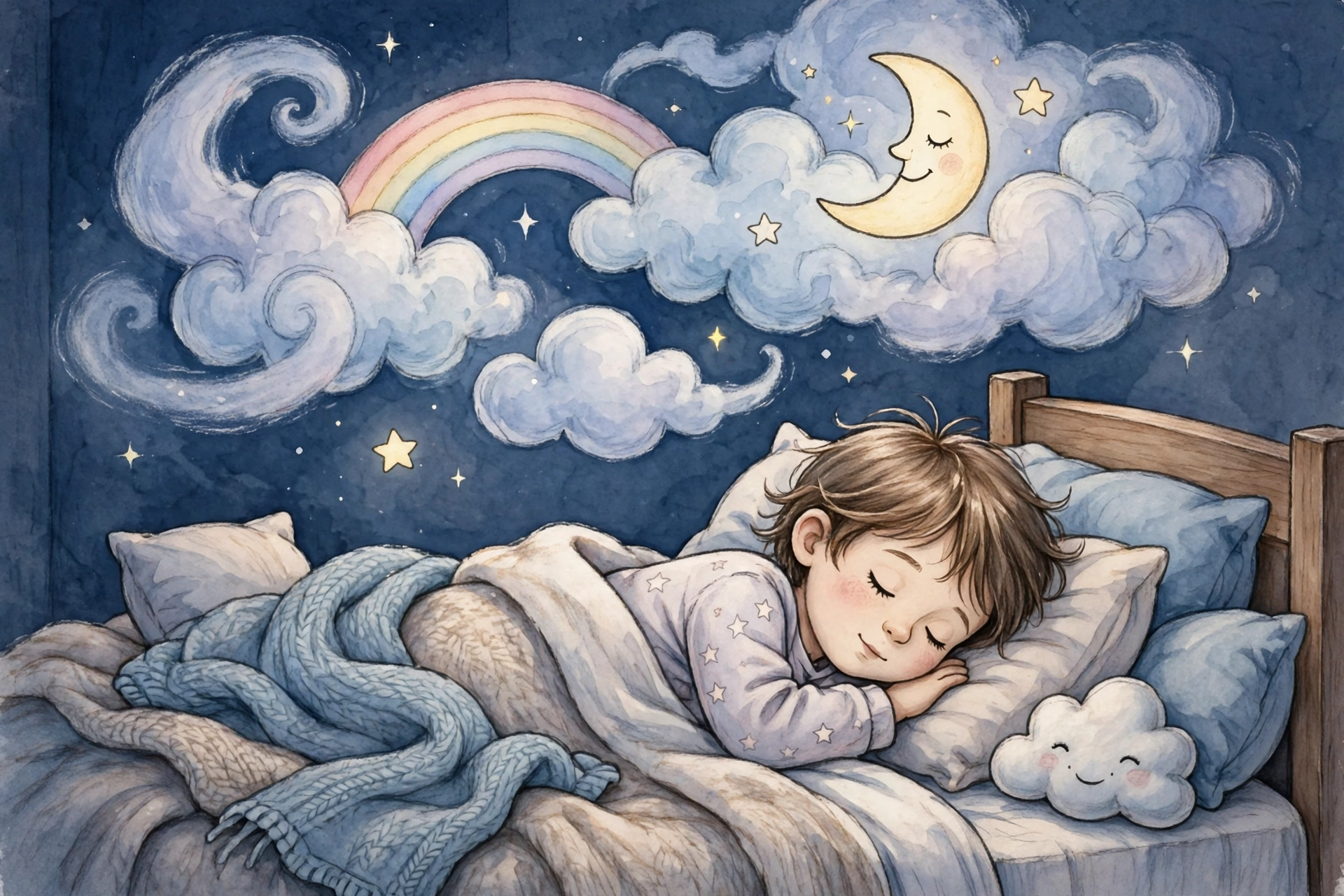
Why Do We Dream?
SUMMARY OF THIS ARTICLE
- We all dream, even when we do not remember our dreams in the morning.
- Most strong dreams happen in a sleep stage called REM sleep.
- Science has no one settled answer to why we dream.
- The main ideas are memory, feelings, and practice for danger.
- Dreams may help the brain sort the day, calm big feelings, and learn.
What Is a Dream?
Have you ever woken up and thought, “That was so strange”? Maybe you were flying over your town. Maybe you were back at school, but you had no shoes on. Maybe you were talking to a person you have not seen for years.
That was a dream. A dream is like a short movie in your mind while you sleep. You see pictures. You hear sounds. You feel happy, scared, or confused. Sometimes the movie makes sense. Many times, it does not make sense at all.
Almost every person dreams. Babies dream. Old people dream. You dream too, even on nights when you wake up and remember nothing. Most people dream four to six times each night. We just forget most of our dreams very fast.
So why do we dream? This is a very old question. People have asked it for thousands of years. Long ago, some people thought dreams were messages from gods. Others thought dreams could tell the future. Today, scientists study dreams in a new way. They watch the brain while people sleep. They wake people up and ask, “What were you dreaming just now?” They test memory and feelings the next day.
And here is the honest truth. Science still has no one settled answer. There is no single rule that all scientists agree on. Instead, there are a few main ideas. Each idea may hold a part of the truth. Dreams may do more than one job at the same time. That is okay. Not knowing everything yet is a normal part of science.
In this article, we will look at dreams in simple words. We will learn when dreams happen. We will look at the three main ideas: memory, feelings, and practice for danger. We will also talk about bad dreams, strange dreams, and why we forget most dreams. By the end, you will know what scientists think today, and what they still do not know.
When Do We Dream?
Sleep is not one flat, quiet state. Your night has stages, like steps on a stair. Long ago, people learned to track time in simple ways, as in how ancient people measured an hour without clocks. Sleep also follows a set pattern each night. First, you fall into light sleep. Then you go into deep sleep. Then you come back up to a special stage called REM sleep. REM stands for Rapid Eye Movement. In this stage, your eyes move fast from side to side under your closed lids, even though you are still asleep.
REM sleep is the dream stage. Most long, clear, story-like dreams happen here. Your brain is very busy in REM sleep. In fact, your brain is almost as busy as when you are awake. But your body is calm and still. Your arms and legs do not move much. This is a safety lock. It stops you from acting out your dream and hurting yourself. So if you dream that you are running, your legs stay still in bed. That is a good thing.
A normal night has many sleep cycles. Each cycle lasts about 90 minutes. Just as a week follows a set pattern, as explained in why we have seven days, sleep follows its own pattern too. Each cycle ends with a short time of REM sleep. Early in the night, REM times are short. Later in the night, near morning, REM times get longer. That is why you often remember dreams from the early morning. Your last dream may still be fresh when your alarm rings.
But REM is not the only dream time. People can also dream in other sleep stages. Those dreams are often short and plain. They may be just one picture or one thought. REM dreams are the ones that feel like full stories.
Idea One: Dreams Help Memory
The first main idea is about memory. The idea is simple. During the day, you learn many things. You learn new words. You meet new people. You make small choices. Your brain takes in a lot. At night, it needs time to sort all of that.
Some scientists think dreams are part of that sorting work. While you dream, your brain plays back bits of the day. It keeps what is useful. It drops what is not useful. It links new facts to old facts you already know. This may help you remember better the next day.
Think of your brain like a room full of papers. During the day, new papers pile up on the desk. At night, the brain files the good papers and throws away the junk. This is a bit like phone storage — when space fills up, you must sort what to keep and what to clear. Dreams may be the brain at work, moving papers around. A dream about school may mix a real lesson with an old memory. Old memories may be stored far away in the mind, a bit like cloud photos stored far from your phone.
This idea also links to how machines learn. People often ask if a smart machine can dream too. A simple look at AI dreams shows how people compare machine learning with human sleep. Machines do not sleep like us. But the question helps us see one point clearly. Learning is not just taking in facts. Learning also needs a quiet time to sort facts. For us, that quiet time may be sleep and dreams.
Memory work may also explain why dreams mix things up. Your brain does not replay the day like a video. It takes small pieces and joins them in new ways. A face from school joins a place from a trip. A song from the radio joins a talk with your mother. The result feels strange. But the strange mix may be how the brain builds links. New links can help you think in new ways the next day.
Idea Two: Dreams Help With Feelings
The second main idea is about feelings. The day can bring big feelings. Joy. Fear. Shame. Sadness. Anger. Love. Sometimes a feeling is too big to handle at once. Some scientists think dreams give the brain a safe place to feel those feelings again, but in a softer way.
In a dream, you can face a fear without real danger. You can argue with a friend and then wake up safe in bed. You can feel sad about a loss and cry in the dream. When you wake up, the feeling may feel a little smaller. A little less sharp. This idea is called the feeling-processing idea. It says dreams help us calm down and cope.
Dreams about feelings are not always clear. A dream about being late may really be about fear of failure. A dream about losing your teeth may really be about feeling weak or unsure. Scientists are careful here. They do not say every dream has a secret code. A dream about teeth does not always mean one fixed thing. But the feeling in the dream may matter more than the exact picture. If you wake up scared, the fear is real, even if the dream story was odd.
It also helps to know that feelings change how we see the world in the day. A simple fact can feel different when you are tired or sad. For example, a cold phone can shut down fast, and that small shock can feel worse on a bad day. You can read more in this plain guide to a cold phone. The point is simple. Body and feelings work together. Sleep sits in the middle of that link. Good sleep helps feelings. Bad sleep makes feelings harder.
Idea Three: Dreams Are Practice for Danger
The third main idea is called threat rehearsal. Rehearsal means practice. The idea says dreams let us practice for danger in a safe place. Long ago, humans faced real dangers each day. Wild animals. Falls. Fights. Storms. People who could practice danger in dreams might be more ready in real life.
Today, our dangers are different. We do not meet wild animals on the way to work. But our brains still dream about being chased, falling, or losing a loved one. Why? Supporters of this idea say the old alarm system is still in us. Dreams keep that system in shape. Like a fire drill at school, a dream drill does not mean a real fire. But it keeps you ready to act fast.
Children often dream about monsters or being chased. Adults often dream about being late, losing control of a car, or failing in public. These dreams feel scary. But after the dream, the person may feel a little more ready. They have felt the fear and lived through it in the dream. In real life, they may stay a bit calmer.
This idea also fits with animals. Dogs twitch and make sounds in sleep. Cats move their paws. Scientists think many animals dream too. If dreams help practice, then animal dreams make sense. A young animal may dream about running and hiding before it ever needs those skills in real life.
Yet the idea is useful. It reminds us that fear dreams are normal. A bad dream does not mean you are a bad person. It does not mean something bad will happen. It may just mean your brain is running a drill.
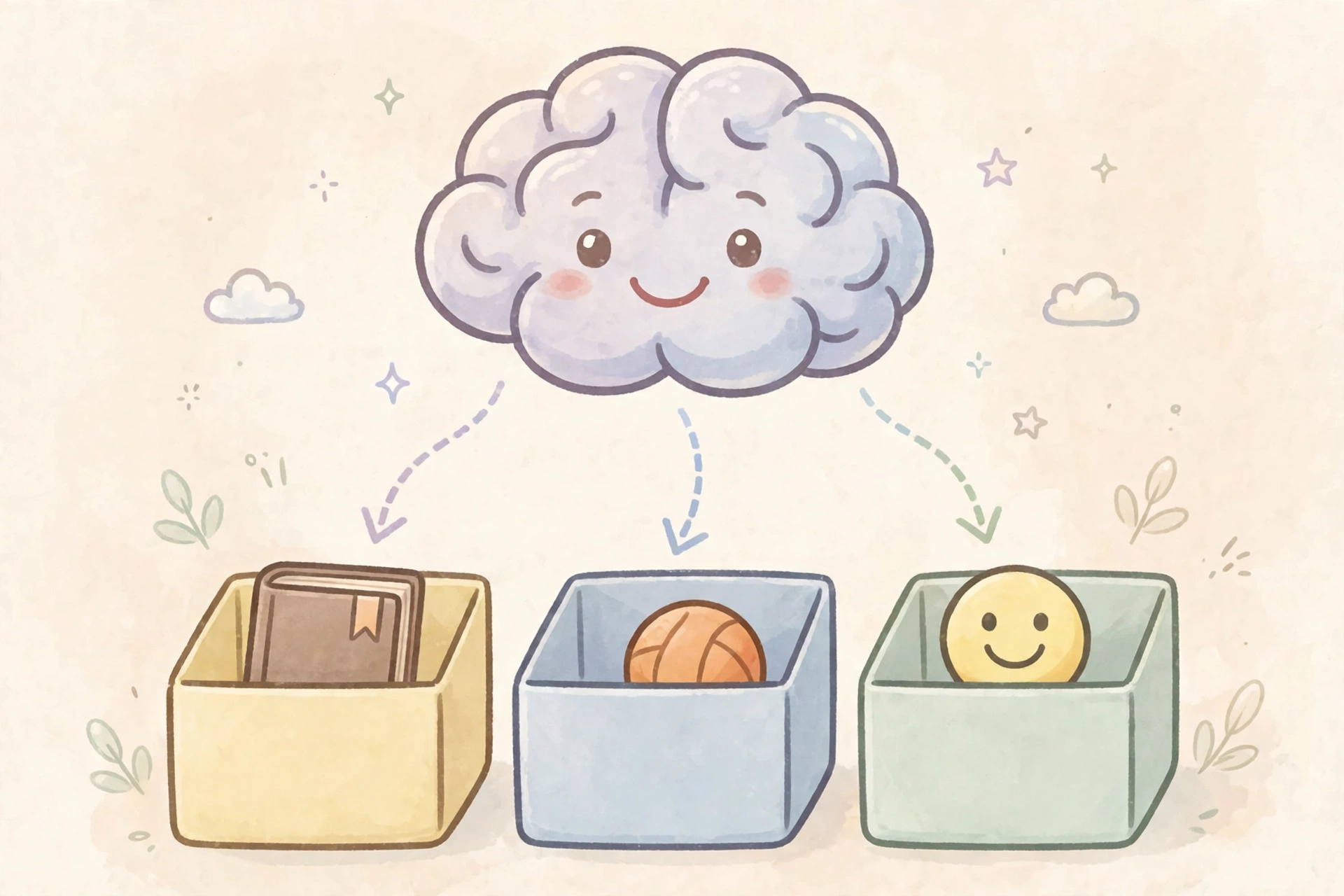
Other Ideas: Creativity and Problem Solving
Memory, feelings, and danger practice are the three main ideas. But scientists have other ideas too. One is creativity. Dreams mix old facts in new ways. That mix may help new ideas pop up. A scientist, an artist, or a student may wake up with a fresh idea. The famous story of a chemist who dreamed of a snake biting its own tail is often told. Dreams can also bring soft light in the dark, a bit like fireflies that make light without heat. He woke up with a new idea about a ring-shaped molecule. We cannot prove the dream caused the idea. But many people report that sleep helps them see a problem in a new way.
Another idea is about the brain cleaning itself. During sleep, the brain may clear waste and reset links between brain cells. Dreams may be a side effect of that cleaning, not the main job. Think of a washing machine. The main job is to clean clothes. The sound it makes is just a side effect. In the same way, dreams may be the sound of the brain doing other work. This view is honest and simple. It says dreams may not have one grand purpose. They may just happen while the brain works.
These ideas do not fight each other. They can all be true at once. Dreams may help memory and feelings and creativity. They may also be partly random. Science often works this way. A big human process has many small jobs, not just one.
Why Do Dreams Feel So Strange?
If dreams help the brain, why are they so weird? There are a few simple reasons.
First, in dreams, the part of the brain that checks logic is less active. Logic means clear, step-by-step thinking. In waking life, you know that a person cannot be in two places at once. In a dream, you may accept it without a blink. Your teacher may also be your best friend. Your house may have a door that leads to the sea. A dream can also feel light and floating, a bit like floating in the very salty Dead Sea. The dream brain does not stop to check. It just moves on.
Second, dreams use feelings more than facts. A dream may feel true even when the facts are false. You may wake up sure that you failed a test, even though the test is next week. Tears in a dream can feel real too, just as real tears can sting — a simple look at why onions make eyes water shows how the body reacts to a sting. The feeling was real. The event was not.
Third, dreams mix time. Past, present, and future can sit in one scene. You may be a child again, but also an adult at work. You may talk to a grandparent who has died, as if they were alive. This mix can feel sad or sweet. It is normal. The brain is not trying to lie. It is just joining memories in a loose way.
Why Do We Forget Most Dreams?
Most people forget most dreams within minutes of waking. Why? One reason is simple. Dreams are stored in a weak way. If you do not think about a dream right after waking, it fades fast. It can feel like a deleted file — gone from view, even if a trace stays hidden for a while. Like footprints on a beach, the tide of waking life washes them away.
Another reason is that the brain is not in full “record” mode during sleep. The parts that make long-term memories are less active in REM sleep. So the dream may not be saved like a day memory. You may recall a flash, a face, or a feeling, but not the whole story.
People who want to remember dreams often keep a notebook by the bed. They write down even one word right after waking. Over time, they may recall more. This does not work for everyone. And it is not needed for health. Forgetting dreams is normal. It does not mean your brain did not do its night work.
Bad Dreams and Nightmares
A nightmare is a very scary dream that wakes you up. Almost everyone has nightmares at times. Children have them more often. Adults have them too, often during stress, illness, or after a scary event. Money worry is one common stress in adult life, and a simple emergency fund plan can ease that worry in the day, which may help calmer nights.
Common nightmare themes are being chased, falling, being lost, or seeing a loved one hurt. These themes show up in many cultures. That hints at a shared human brain, not just personal fears. A nightmare can leave your heart racing. You may feel scared even after you know you are safe in bed.
Most nightmares are normal. They do not mean you are in danger. They do not predict the future. But frequent nightmares can harm sleep. If you have nightmares many nights a week, or if they make you fear sleep, it is wise to talk to a doctor. A doctor can check for stress, sleep problems, or other causes. There are also simple steps that help many people. A calm bedtime routine. Less scary news or shows late at night. A cool, dark room. Less phone use before bed.
It may help to know that phone problems can also disturb sleep in small ways. A hot phone or a fast-draining battery can wake you or worry you at night. A plain guide to a hot phone and a fast battery drain can help you fix those small night worries. Good sleep habits in the day support good dreams at night.
Do Children and Animals Dream?
Yes, children dream. Young children often dream about animals, family, and play. Their dreams are often short and simple. As children grow, their dreams get longer and more like stories. Nightmares are common in childhood. They often peak around ages three to six. A calm, kind response helps. Night skies can also spark dreams: children often stare at the moon, and a plain guide explains why the moon looks orange near the horizon. A parent can say, “It was just a dream. You are safe now.” That simple truth often calms a child more than a long explanation.
Animals likely dream too. Scientists cannot ask a dog what it dreamed. But they can watch brain waves and body moves. Dogs, cats, rats, and many other mammals show REM sleep. Their brains show patterns like human dream sleep. Their paws twitch. Their eyes move. It is fair to say they probably dream, though we cannot know what they see.
What Science Still Does Not Know
Let us be plain. Here is what science does not yet know about dreams.
First, scientists do not agree on one purpose. Memory, feelings, and danger practice are all strong ideas. None of them alone explains all dreams. The truth may be a mix. Or there may be a deeper idea we have not found yet.
Second, scientists do not fully know how dreams are made. They know which brain parts are active. They know about REM sleep. But they do not know the exact steps that turn brain signals into a full story with people, places, and feelings.
Third, scientists do not know why we dream about certain things and not others. Why this face tonight? Why that place? Some links to the day are clear. Many are not. The brain may pick bits at random. Or it may follow rules we do not yet see.
Fourth, scientists do not know if dream meaning can be read like a code. Old dream books claim fixed meanings. A snake means this. Water means that. Modern science does not support fixed codes. The same picture can mean different things for different people. Feelings and life context matter more than a fixed list.
This lack of a final answer is not a failure. It is how science grows. Each test adds a small piece. Over time, the picture gets clearer. For now, the honest answer to “why do we dream?” is: we do not know for sure, but we have good ideas, and they point to memory, feelings, and practice.
How to Sleep Well and Dream Well
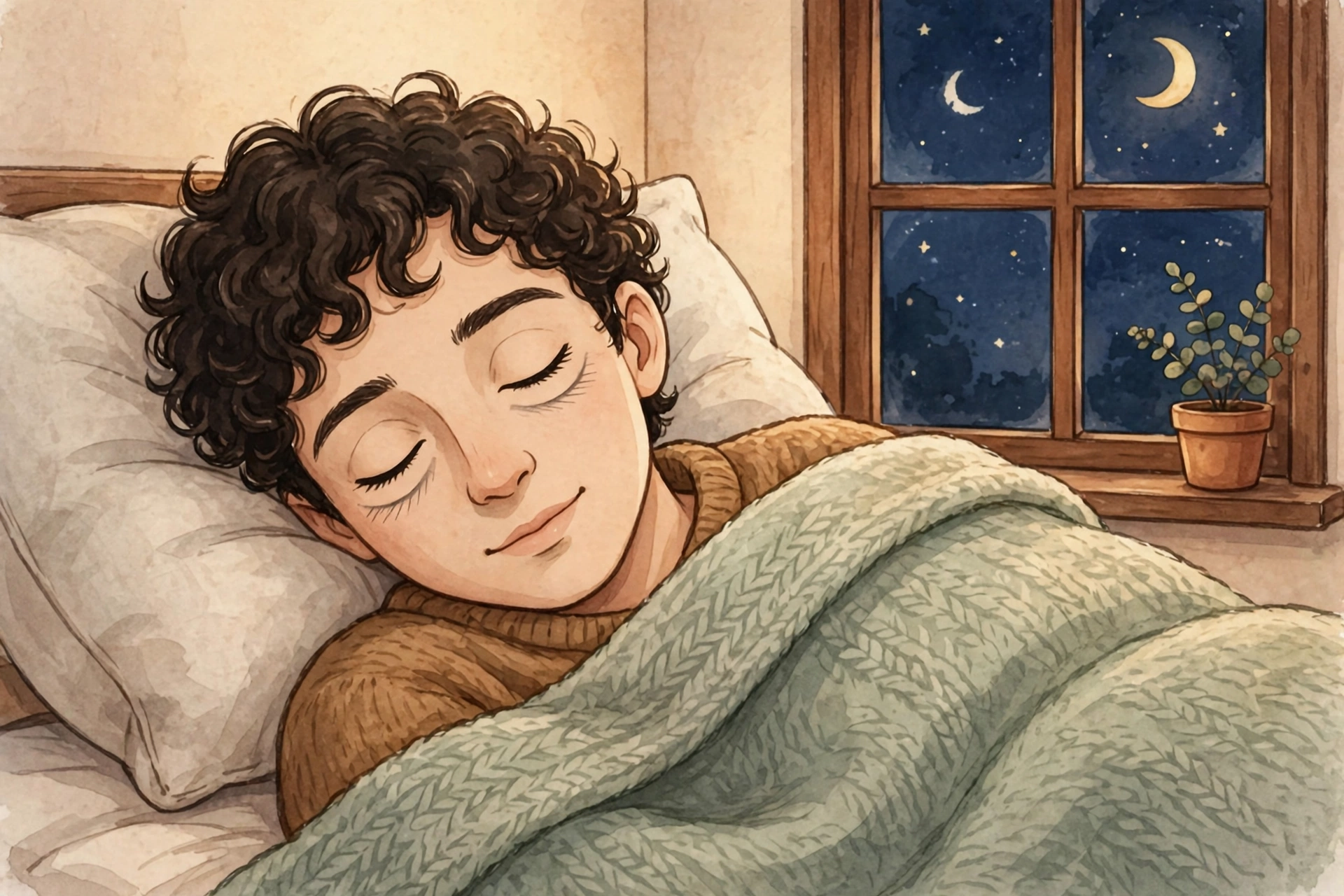
You cannot control your dreams fully. But you can help your sleep. Good sleep helps your brain do its night work, whatever that work is.
Keep a regular sleep time. Go to bed and wake up at about the same time each day. This helps your sleep cycles stay steady. Aim for enough sleep. Most adults need seven to nine hours. Small daily habits matter here too: just as a shop must balance what comes in and out, as in how a small business makes money, your body must balance rest and work. Most teens need eight to ten hours. Children need even more.
A Simple Way to Think About Dreams
Here is a simple summary you can keep in mind.
Dreams are movies of the mind during sleep. Most strong dreams happen in REM sleep, when the brain is busy but the body is still. Scientists think dreams may help memory, by sorting the day. They may help feelings, by letting us re-feel hard things in a safer way. They may help practice, by letting us face danger in dreams before real life. They may also help creativity and new ideas.
Frequently Asked Questions
Do all people dream?
Yes. Almost all people dream every night. Most people just forget their dreams. If you think you never dream, you likely dream but do not recall it. Waking up during REM sleep makes recall more likely.
Why do I dream about the same thing again and again?
Repeat dreams often link to a strong feeling or a worry that is still with you. Stress, school pressure, or a life change can bring the same theme back. The theme may change once the worry eases. If repeat nightmares disturb your sleep often, talk to a doctor.
Can dreams tell the future?
There is no good scientific proof that dreams predict the future. A dream may feel like a warning because it mixes real worries. But a dream is not a reliable forecast. Do not make big life choices based only on a dream.
Why are my dreams so weird?
Dreams are weird because the logic-checking part of the brain is less active in sleep. The brain joins memories, feelings, and random signals in a loose way. A teacher can be a friend. A house can lead to the sea. Weird is normal for dreams.
Do animals dream?
Most scientists think yes. Dogs, cats, and many other mammals show REM sleep and dream-like brain patterns. Their paws may twitch and their eyes may move. We cannot know what they see, but dreaming seems common across many animals.
How can I remember my dreams better?
Keep a notebook and pen by your bed. When you wake up, lie still for a moment and try to recall any picture or feeling. Write down even one word right away. Do this each morning. Many people recall more over time. But forgetting dreams is still normal and healthy.
Should I worry about a bad dream?
One bad dream now and then is normal. It does not mean you are a bad person or that something bad will happen. If nightmares happen many nights a week, make you fear sleep, or follow a trauma, seek help from a doctor or a trusted health worker.
More from Zorium Daily
If you enjoyed this simple look at the brain and sleep, you may also like our Science news hub for more easy science stories. For more on how learning and memory work, see how machines can forget learning. You can also explore why we yawn and why people shake hands in other simple guides on Zorium Daily.