How Does a Restaurant Make Money?
SUMMARY OF THIS ARTICLE
- A restaurant makes money when the cash from customers is more than the cost of running the place.
- Most of the money comes from food and drinks, plus small extras like takeaway and delivery.
- The biggest costs are food, staff pay, rent, and bills like power and gas.
- A simple plate of food may cost the owner only a third of the price you pay, but the rest goes to many other costs.
- Busy days help a lot, quiet days hurt, wasted food eats profit fast, and good owners watch costs daily and save money for slow weeks.
Have you ever sat in a restaurant, looked at your bill, and thought about where all that money goes? The food on your plate may cost 10 dollars. But the owner does not keep all 10 dollars. Far from it. In fact, a large part of that money is already gone before the owner sees any profit at all.
A restaurant is a business. Like any business, it must earn more than it spends. If it earns more, it stays open. If it spends more, it closes. That sounds simple. But the road from a full dining room to real profit is full of costs that most customers never see.
In this article, we will walk through that road in very simple words. You will learn where a restaurant’s money comes from, where it goes, and why some restaurants do well while others shut down fast. No hard math. No hard words. Just a clear picture.
Where Does the Money Come From?
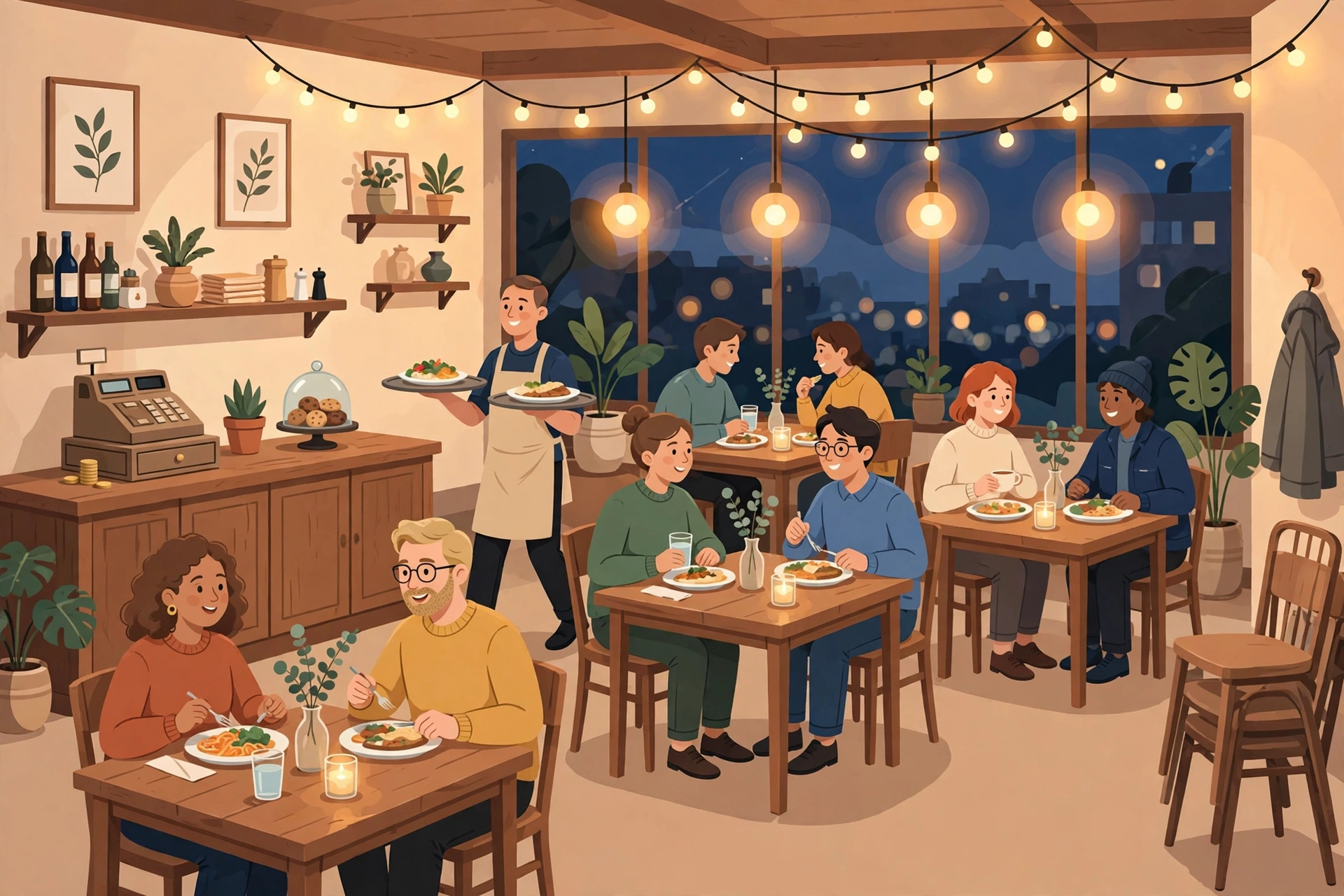
The main source of money is simple: customers pay for food and drinks. A family orders dinner. A worker buys lunch. A couple shares dessert and coffee. Each order adds money to the till.
Food brings in the biggest share. Main dishes like rice, chicken, pasta, or fish make up most sales. Starters and desserts add a little more. Many people order a starter while they wait, and a sweet dish at the end. These small extras matter a lot, because they cost little to make but sell at a good price.
Drinks are a second big source. Water, soft drinks, juice, tea, and coffee are sold in almost every restaurant. Drinks are special because they cost very little to serve. A cup of tea may cost the owner only a few cents in tea leaves and hot water, yet it sells for a few dollars. That gap helps the restaurant a lot.
Then there are extras beyond the dining room. Many restaurants sell takeaway food. Some work with delivery apps, so people can order from home. Some sell cakes, sauces, or gift cards. A few rent out a small room for parties. None of these extras is as big as normal dining, but together they add real money, and they help on days when few people walk in.
So the money comes in from many small streams. One table here, one coffee there, one delivery order at night. Added up over a month, these streams must be bigger than all the costs. That is the whole game.
The Biggest Cost: Food
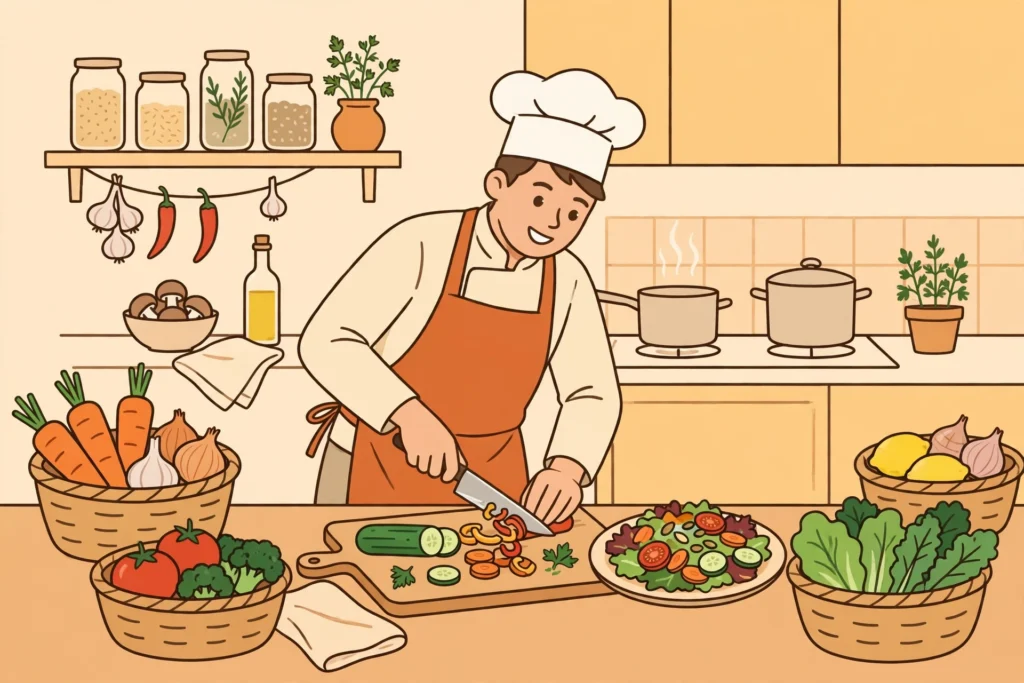
Food is the first big cost. Every dish starts with items the owner must buy: rice, meat, vegetables, oil, spices, bread, and more. These items are bought from markets or suppliers, often every day or every few days, so they stay fresh.
Here is a simple way to think about it. If a plate of pasta sells for 12 dollars, the pasta, sauce, cheese, and vegetables on that plate may cost about 4 dollars. That means food takes about one third of the price. Owners call this the food cost. For most restaurants, food cost sits near 25 to 35 percent of the menu price. If it goes much higher, the restaurant earns too little. If it goes much lower, the food may taste poor, and customers may not come back.
But food cost is not just the items on the plate. Fresh food goes bad fast. Milk turns sour. Vegetables wilt. Meat spoils if it stays too long in the fridge. Every item thrown away is money lost. A good kitchen plans well. It buys only what it needs. It uses leftovers in smart ways, like turning yesterday’s roast chicken into today’s soup. Careful planning keeps food cost down.
Prices of food also change. One month, chicken is cheap. The next month, it costs more. Bad weather can push up the price of vegetables. When supplier prices rise, the owner must choose: raise menu prices a little, or earn a little less on each dish. Both choices are hard, because customers do not like price rises, but the owner cannot sell at a loss for long.
The Second Big Cost: People
A restaurant needs people to run. Cooks make the food. Waiters serve it. A cashier takes payment. Someone cleans the tables and the floor. In a bigger place, there may also be a manager who plans shifts and orders supplies.
Pay for staff is often the biggest single cost of all. In many restaurants, staff pay takes about 30 percent of all sales. That means for every 100 dollars that comes in, about 30 dollars goes to the people who work there. And that is before other staff costs, like training, uniforms, or paid days off.
Good staff also matter for sales. A kind waiter who smiles and helps fast can make customers come back again and again. A slow or rude service can drive people away, even if the food is good. So owners must pay fair wages to keep good workers, but they must also plan shifts with care. Too many staff on a quiet day wastes money. Too few staff on a busy night means long waits and unhappy guests.
Some restaurants also pay for help from outside. An accountant may check the books. A cleaner may come at night. A repair worker may fix a broken oven. All of these add to the cost of people, even if they are not on the daily team.
Rent, Bills, and the Building
The third big cost is the place itself. Most restaurant owners do not own the building. They rent it, and they pay rent every month. Rent in a busy street or a mall can be very high. A good spot brings more customers, but it also costs more. A cheaper spot saves money, but fewer people may walk past. Finding the right balance is one of the hardest choices an owner makes.
Then come the bills. Power runs the lights, fridges, and ovens. Gas runs the stoves. Water is used for cooking and washing. The internet and phone lines cost money too. In a hot country, cooling the dining room can be a big bill on its own. All of these bills must be paid whether the restaurant is full or empty.
There are also smaller costs tied to the building. Tables and chairs wear out and must be replaced. Plates break. The kitchen needs new pans and knives from time to time. The owner may pay for insurance, which helps if there is a fire or a flood. There may be local taxes and fees for a food licence. Each item is small on its own, but together they add up to a large sum each month.
A Simple Example With Numbers
Let us use easy numbers to see how it all fits together. Imagine a small restaurant that sells food worth 10,000 dollars in one month. That is the total sales, or revenue.
Now take away the costs. Food may cost 3,000 dollars. Staff pay may cost 3,000 dollars. Rent may cost 1,500 dollars. Bills for power, gas, and water may cost 800 dollars. Other small costs, like plates, cleaning, and fees, may cost 700 dollars. Add them up: 3,000 + 3,000 + 1,500 + 800 + 700 = 9,000 dollars.
So 10,000 dollars came in, and 9,000 dollars went out. That leaves 1,000 dollars. That is the profit. It is just 10 percent of sales. And from that profit, the owner may still need to pay taxes, fix broken items, or save for a slow month.
This example shows why restaurants work on thin margins. Margin is a word owners use for the share of sales left as profit. A 10 percent margin is quite normal for a restaurant. Some do a little better, near 15 percent. Many do worse. If costs rise by just a little, profit can vanish fast. That is why owners watch every dollar with care.
It also shows why volume matters. A restaurant that sells 20,000 dollars of food with the same 10 percent margin keeps 2,000 dollars. The same margin on bigger sales means more money in hand. That is why busy restaurants often do better than quiet ones, even if their prices are the same.
Busy Days and Quiet Days
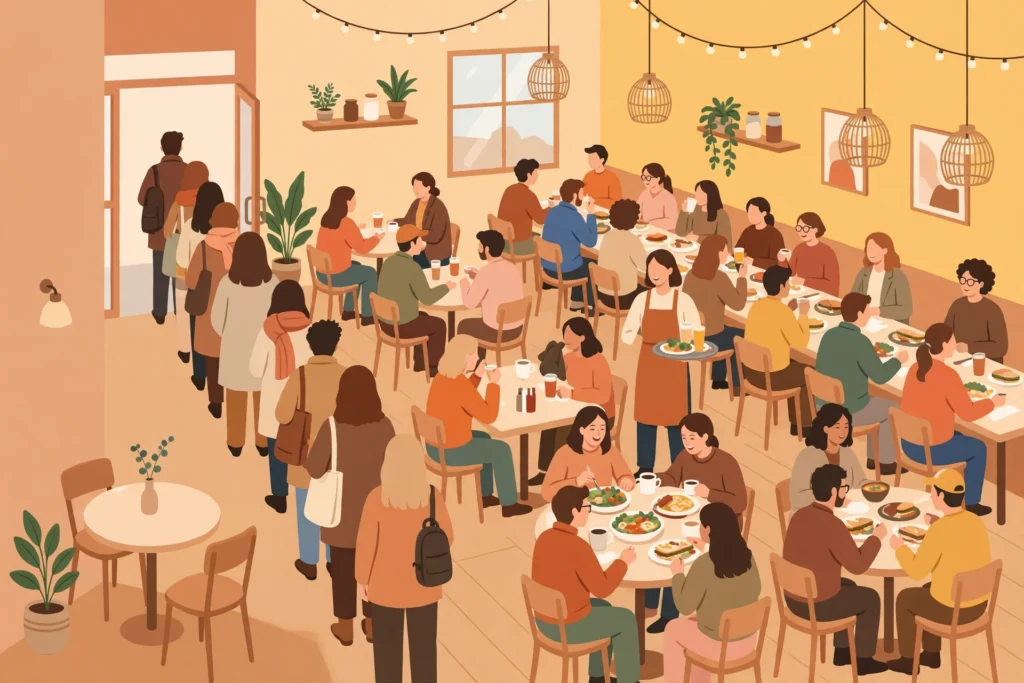
Not every day is the same in a restaurant. Friday and Saturday nights are often busy. Lunch on a workday can be strong near offices. But Monday mornings or rainy days can be very quiet. Some months are slow too, like the weeks after a big holiday when people spend less.
Busy days are gold. The rent is the same whether 10 people or 100 people eat. The power bill does not grow much when more tables fill. So when sales jump, a bigger share of that extra money can turn into profit. That is why owners love full rooms.
Quiet days are the danger. The costs do not stop. Rent is still due. Staff still need pay. Fridges still run. If only a few customers come, sales may not even cover the day’s costs. A run of quiet weeks can eat up all the profit saved from busy weeks.
Smart owners plan for this swing. They may open fewer hours on slow days. They may run a lunch deal to pull people in when it is quiet. They may push takeaway and delivery on rainy days. And they save money in good months so they can pay bills in bad months. Saving for hard days is a habit that keeps many small places alive. In fact, learning how to build a safety fund is useful for any owner, because a restaurant, like a home, needs a cushion for bad times.
Waste: The Silent Thief
Waste is one of the biggest enemies of restaurant profit, and it is easy to miss. Waste happens in many ways. Food spoils before it is used. A cook makes too much soup, and half the pot is thrown away. A waiter drops a plate. A customer orders food and leaves half of it uneaten.
Each bit of waste is money thrown in the bin. If a restaurant wastes 10 percent of the food it buys, that is like throwing away 10 percent of its food budget every month. On our earlier example, that would be 300 dollars gone for nothing.
Good kitchens fight waste every day. They track what sells best and cook more of that. They store food in the right way so it lasts longer. They plan menus so one item can be used in many dishes. For example, tomatoes can go into salads, sauces, and soups. They also watch portion size. A plate that is too big leads to leftovers on the table. A plate that is just right makes customers happy and wastes less.
Some restaurants also find smart uses for food that cannot be sold as a main dish. Stale bread can become crumbs for fried items. Ripe fruit can become juice or dessert. These small tricks turn would-be waste into sales.
Why Do Some Restaurants Close?
You may have seen a new restaurant open with a lot of excitement, then close within a year. This happens often, and the reasons are usually about money, not about taste alone.
One common reason is high costs from the start. If rent is too high, the restaurant must sell a huge amount of food just to pay it. If the owner spends too much on fancy decor and gear before opening, there may be no money left to survive the first slow months.
Another reason is low sales. A restaurant in a hidden spot, or one that people do not hear about, may not get enough customers. Without steady sales, even good food cannot pay the bills.
A third reason is poor control of costs. If food is wasted, staff hours are not planned, or supplier prices are not checked, costs creep up month by month. Profit shrinks until it turns into loss.
And sometimes the reason is simply bad luck. A road closes for repairs, and foot traffic drops. A new rival opens next door. Prices of food jump fast. Even a good owner can be hit by events outside their control. That is why a cash cushion matters so much.
This is also why a restaurant is like any other small business. It needs sales, cost control, and a plan. The food may be the star, but the numbers decide whether the doors stay open.
How Good Owners Keep Profit
So how do the restaurants that last for years do it? They follow a few simple habits.
First, they price with care. They work out the cost of each dish, then set a price that covers food, staff, rent, and still leaves profit. They check menu prices often and adjust when supplier costs rise.
Second, they push high-margin items. Drinks, desserts, and starters cost little but sell well, so waiters may suggest them in a kind way. A simple “Would you like a drink while you wait?” can add real money over a month.
Third, they control costs daily, not once a year. They count stock. They plan staff shifts around busy and quiet times. They compare supplier prices and switch when a better deal appears.
Fourth, they build repeat customers. A happy customer who comes back every week is worth far more than a one-time visitor. Good food, fair prices, clean tables, and kind service bring people back. Some restaurants use loyalty cards or small discounts to reward regular guests.
Fifth, they use more than one way to sell. Dine-in, takeaway, delivery, and party bookings all add streams of money. If one stream slows down, the others can help.
None of these habits is magic. They are small, steady steps done every day. Over months and years, they add up to a healthy restaurant.
A Note on Delivery Apps
Delivery apps can help a restaurant reach people who never walk past its door. A customer at home can order with a few taps, and the restaurant gets a sale it would not have had. But the app takes a fee from each order, often around 20 to 30 percent of the price. That fee eats a big part of the profit on that order.
So owners must think with care. If a dish sells for 10 dollars through an app, the app may keep 2 or 3 dollars. After food and staff costs, very little may be left. Some owners raise delivery prices a little to cover the fee. Others use apps only for extra sales on top of normal dining, not as their main source of money. Used in the right way, delivery adds sales. Used without care, it can look busy while earning almost nothing.
What About Big Chains?
You may wonder how big fast-food chains make money when their prices look low. Their secret is scale. Scale means doing the same thing in many places at once. A big chain buys food in huge amounts, so suppliers give it a lower price. It uses the same menu and same systems in every shop, which cuts waste and training costs. And it spends a lot on ads, so people know its name.
Some big chains also make money in a different way: they rent shops to smaller owners who run them. These smaller owners are called franchisees. They pay a fee to use the big brand name, and they also pay part of their sales to the chain each month. So the chain earns from fees and rent, not just from selling burgers.
Small restaurants cannot copy all of this. But they can learn one lesson from chains: systems matter. A clear menu, a set way of cooking each dish, and a daily check on costs help a small place just as much as a big one.
The Honest Truth About Restaurant Money
Running a restaurant is hard work, and it is not a fast way to get rich. Most owners work long hours. They start early to buy fresh food. They stay late to close the shop and count the day’s money. Their profit is often small, and it can vanish in a bad month.
But it can also be a good living. A well-run restaurant that serves tasty food at fair prices, controls its costs, and keeps customers happy can earn a steady profit year after year. The money does not come from one big trick. It comes from hundreds of small choices: what to buy, what to charge, how many staff to plan, and how to cut waste.
Next time you eat out, you will know the story behind your bill. The price you pay covers the food on your plate, the cook who made it, the waiter who served it, the rent of the room, and the power that kept the lights on. What is left, if the owner has done the job well, is a small profit that keeps the doors open for your next visit.
And that is how a restaurant makes money: not by keeping all of your bill, but by making sure that, after all the costs are paid, a little bit is left over, day after day, month after month.
Frequently Asked Questions
How much profit does a restaurant usually make?
Most restaurants keep about 5 to 15 percent of their sales as profit. So on 10,000 dollars of sales, profit may be 500 to 1,500 dollars. Costs eat the rest.
What is the biggest cost for a restaurant?
Staff pay and food are the two biggest costs. Together they often take about 60 percent of all sales. Rent comes next in most places.
Why is restaurant food more costly than cooking at home?
When you eat out, you pay not just for the food. You also pay for the cook, the waiter, the rent, the power, and the plates. At home, you pay only for the food items.
Do drinks really help a restaurant make money?
Yes, a lot. Drinks cost very little to serve but sell at a good price. That is why drinks are a key part of restaurant profit.
Why do restaurants fail even when the food is good?
Good food is not enough. High rent, low sales, wasted food, or poor cost control can close a restaurant even if customers love the taste.
Is a busy restaurant always a rich restaurant?
Not always. A busy place can still lose money if its costs are too high or its prices are too low. But being busy gives a much better chance of profit than being empty.
Can a small restaurant make money without delivery apps?
Yes, it can, if it has enough dine-in and takeaway customers. But delivery apps can add extra sales, even though they take a fee from each order.