How Does a Post Office Make Money? Explained Simply
SUMMARY OF THIS ARTICLE
- A post office makes money mainly by charging people to send letters and parcels.
- Stamps, parcel fees, and faster delivery options are its biggest sources of income.
- It also earns money from extra services like money orders, post office boxes, and selling packaging.
- Running a post office costs a lot, for staff, vans, fuel, and buildings, so profit is not always easy.
- Many post offices are also a public service, so they deliver to faraway places even when it costs more than they earn.
You have probably walked past a post office a hundred times without thinking much about it. Maybe you went in once to send a birthday card to your gran, or to post a parcel to a friend. You paid a few dollars, got a stamp or a sticker, and left. Simple. But have you ever stopped to wonder how that place stays open? How does it pay its workers, its vans, its lights, its rent? Where does the money actually come from?
Think of it like this. A post office is a bit like a bus company, only instead of carrying people, it carries letters and parcels. People pay for a ticket, in this case a stamp, and the post office promises to take that letter or parcel to the right place. That promise, repeated millions of times a day all over the world, is where most of the money comes from.
It sounds simple, and in some ways it is. But behind that little counter there is a big, busy business, with costs that never stop and customers who want their post to arrive fast, safe, and cheap. Let us look inside, nice and slow.
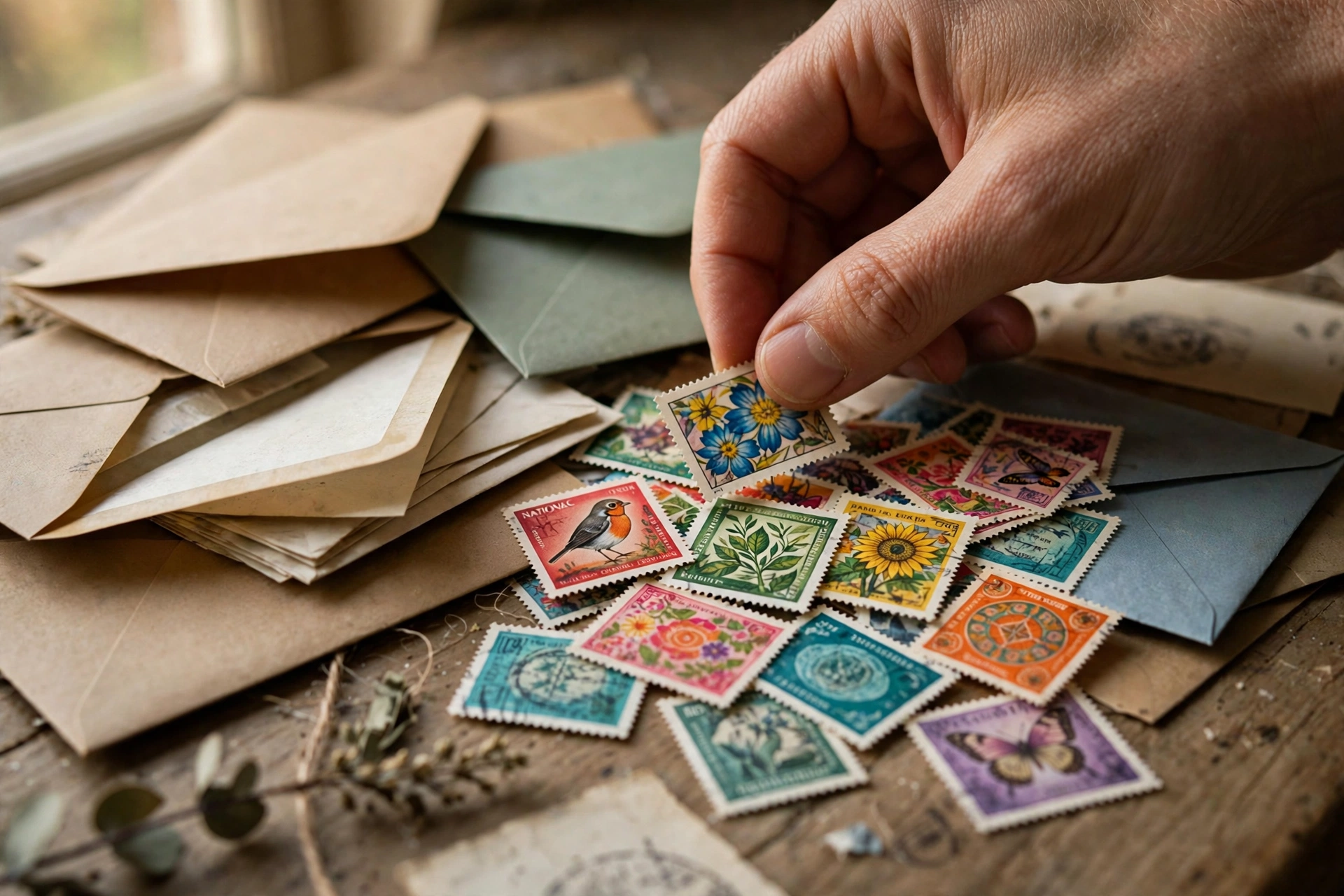
The most basic way a post office makes money is the one you already know. Stamps. You buy a stamp, you stick it on an envelope, and the post office takes that letter from your town to another town, or another country. That stamp is not just a pretty picture. It is a tiny ticket you paid for. The price of the stamp pays for the sorting, the transport, the delivery person, and all the steps in between.
A single stamp might cost less than a cup of coffee, but think about how many letters are sent every day. In a big country, that can be millions. All those small payments add up to a lot of money. Even if each letter only makes a small amount, the sheer number of letters matters. It is a bit like selling pencils. One pencil is cheap, but sell a million pencils and you have a real business.
Letters are not the biggest earner any more, though. These days, fewer people send letters. We send emails and messages instead, which are free and instant. So post offices have had to lean more on parcels. And parcels are where a lot of the money is now.
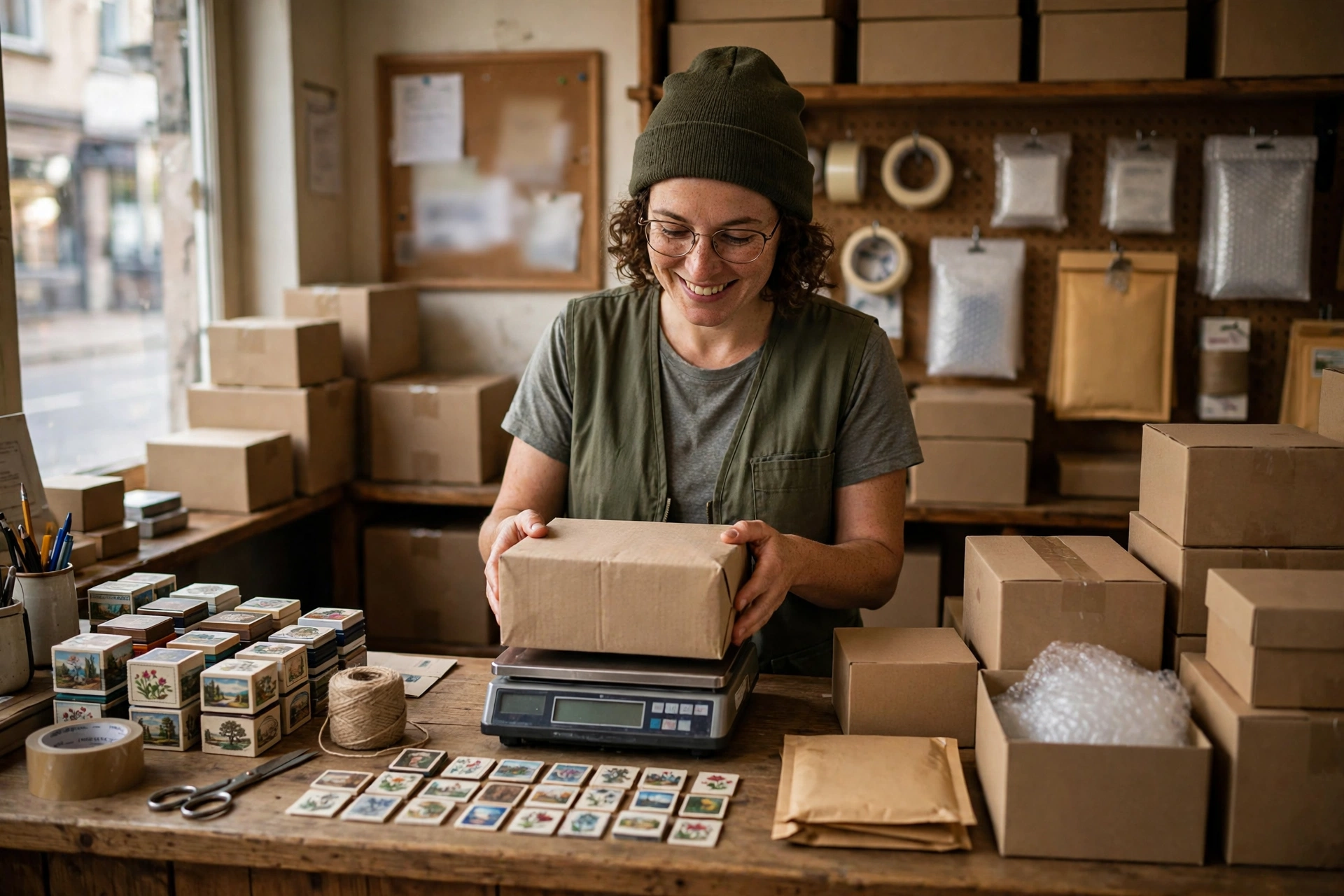
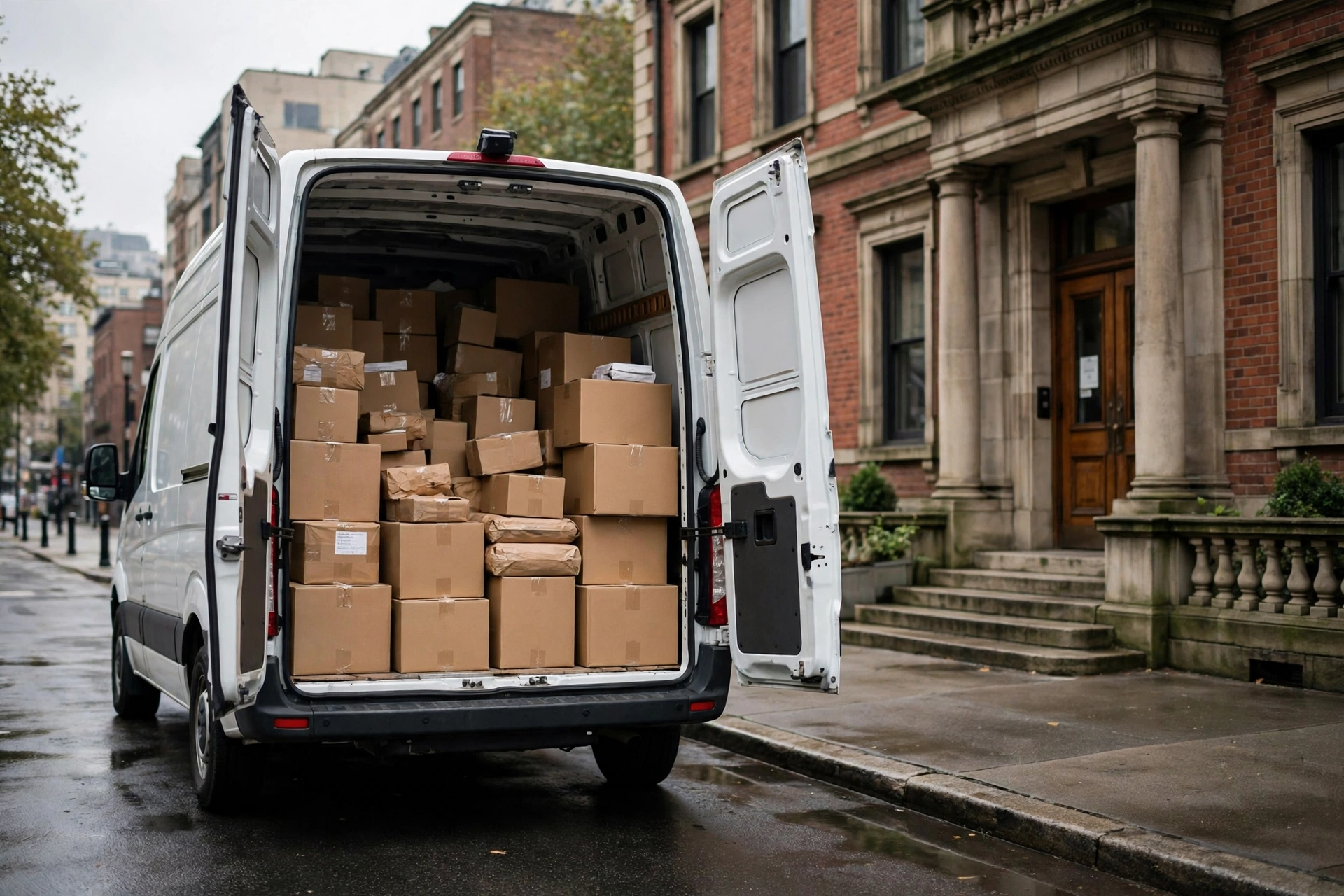
When you order a pair of shoes online, or a book, or a gift for someone, that parcel often travels through the post office, or a service very much like it. You, or the shop you bought from, pay a fee to send it. That fee is higher than a stamp because a parcel is bigger, heavier, and harder to carry. It needs a van, not just a bag. It needs more sorting. It might need to be tracked, so you can see where it is at every step. All of that costs more, and so the price is higher.
Parcels also come in different speeds. You can pay a little for slow delivery, or a lot for next-day delivery. That faster option is a big money-maker. People will pay extra when they need something quickly — a birthday present that is late, a part for a broken phone, medicine that cannot wait. The post office charges more for that speed, and many people are happy to pay it.
This is where the business gets clever. A post office does not just sell one service. It sells a whole menu. Slow, fast, very fast. Small parcel, big parcel, heavy parcel. Tracked, signed for, insured. Each extra choice adds a little more to the price, and each one is a way to earn a bit more from the same parcel.
Insurance is a good example, and it is worth understanding because it sounds fancy but is really simple. Insurance just means, if your parcel gets lost or broken, the post office will pay you back some money. You pay a small extra fee for that promise. Most parcels arrive fine, so the post office keeps most of those small fees. When one does get lost, it pays out, but that is rare. It is a bit like an umbrella. You pay for it just in case, and most days you do not need it.
Post office boxes are another quiet earner. A post office box, often called a PO Box, is a small locked box inside the post office where your mail is kept for you. People rent these boxes, usually by the month or by the year. Small businesses love them because they give a safe address for mail, even if the business moves around. People who live in places where home delivery is tricky also use them. The rent is not huge, but it is steady money that comes in every month, whether the box is full or empty.
Then there are the smaller things you see on the counter. Envelopes, boxes, bubble wrap, tape. The post office sells all of that, and it makes a small profit on each item. It is not the main income, but it helps. If you forgot to bring a box for your parcel, you will buy one there, and you will probably not mind the price because you need it right now. That is the point. Convenience sells.
Some post offices also sell money services. A money order is a good example. It is a bit like a paper cheque, but safer. You pay the post office, and they give you a piece of paper that works like money. The person you send it to can cash it at another post office. The post office charges a small fee for this. In places where not everyone has a bank account, this service is really useful. People use it to send money to family, to pay bills, or to pay for things they bought. The fee is small, but again, lots of small fees add up.
In some countries, the post office also helps with banking, savings, or paying bills. That is a bigger story, and it works differently in each country, but the idea is the same. The post office is a trusted place in the town, people already go there, so it makes sense to offer a few more useful services while they are there.
Now, here is the part people often forget. Making money is only half the story. The other half is spending money, and a post office spends a lot. It has to pay its workers — the people at the counter, the sorters, the drivers, the delivery people who walk in rain and snow. It has to buy and run vans and trucks. Fuel is not cheap. It has to heat and light big buildings, and keep them safe. It has to buy machines that sort thousands of letters an hour.
Think about a delivery person in a small village. They might drive 30 miles to deliver three letters and one parcel. The fuel alone might cost more than those letters earned. But the post office still does it, because that is its job. In many countries, the post office has a duty to deliver to everyone, everywhere, for the same price. That is called a universal service, which just means everyone gets the same service, no matter where they live. It is fair, and it is good for the country, but it is not always good for profit.
That is why post offices often talk about losing money, even when they seem busy. A busy post office in a big city might make a good profit. A small post office in a quiet village might lose money every day. The busy ones help pay for the quiet ones. It is a balancing act, a bit like a seesaw. One side goes up, the other goes down, and the post office has to keep it level.
Competition makes it harder too. These days, a post office is not the only place that delivers parcels. There are big private delivery companies with their own vans, their own planes, and their own apps. They can be faster, and sometimes cheaper, especially in big cities. So the post office has to work hard to keep its customers. It has to be reliable, it has to be friendly, and it has to offer prices people are willing to pay.
So how does it try to stay ahead? One way is by using its size. The post office already goes to every street, every village, every house. That network, that big web of routes, is worth a lot. A new company would have to build all of that from scratch. The post office already has it. It can use that network to deliver parcels for online shops, to deliver letters for banks, to deliver magazines and catalogues. Each of those is a deal, a contract, where a big company pays the post office to deliver its mail. Those deals bring in steady money, and they are a big part of the business.
Another way is by being the place people trust. When you send something important, like a passport form or a legal letter, you want to know it will get there. The post office has been around for a very long time. In some countries, it is over 200 years old. That trust is worth something. People will pay a little more for a service they trust.
You have probably noticed that post offices also change with the times. Many now let you print a postage label at home, or book a parcel pickup online, or track your parcel on your phone. That saves time for you, and it saves money for the post office because fewer people need to queue at the counter. It is a win for both sides.
Let us follow a single letter, just to see where the money goes. You buy a stamp for 1 dollar. You stick it on a birthday card and drop it in the post box. A worker collects it. It goes to a sorting centre, where a machine reads the address and puts it in the right pile. Then it goes on a truck, maybe a plane, to another city. Then another sorting centre, then a delivery person, who walks to your gran’s house and puts it through the letterbox. That 1 dollar paid for all of those steps. It paid for a tiny piece of the worker’s time, a tiny piece of the fuel, a tiny piece of the building, and a tiny piece of the machine. When you think about it like that, 1 dollar seems like very little for such a long journey.
A parcel is the same, only bigger. Say you pay 8 dollars to send a parcel that weighs a few kilos. That 8 dollars has to pay for the box to be weighed, sorted, loaded, driven, sorted again, and delivered to the door. It also has to pay for tracking, so you can see it move on a map. And it has to leave a little left over for the post office, otherwise it cannot stay open. If the parcel is heavy or going far away, the price goes up, because the cost goes up. That is why sending a parcel to another country costs more than sending one across town.
Now, you might ask, if it is so hard to make money, why do countries keep their post offices? Good question. The answer is that a post office is not just a business. It is also a public service, a bit like a library or a park. It helps people stay in touch, it helps small businesses send their goods, it helps people in faraway places feel connected. Governments often help pay for the parts that lose money, because they think it is worth it for everyone.
In some countries, the post office is owned by the government. In others, it is a company that has to make money on its own. In both cases, the challenge is the same. How do you deliver to everyone, keep prices fair, and still pay your bills? There is no perfect answer, and different countries try different things. Some close small post offices and open bigger ones. Some offer more services. Some raise the price of stamps a little each year. None of it is easy, and people often argue about it.
Here is a small story to make it real. Imagine a woman named Aisha who runs a small online shop from her home. She sells handmade soap. Every day, she packs three or four parcels, walks to the post office, and pays to send them. The post office is her partner, in a way. Without it, she could not reach customers in other towns. She pays the fees, the post office delivers the soap, and her customers come back for more. That is the business, working as it should. She makes money, the post office makes money, and the customer gets their soap.
Now imagine a man named Tom who lives in a small village at the end of a long, winding road. He gets one letter a week, maybe a parcel once a month. It costs the post office a lot to drive out to him, far more than his letters earn. But the post office still goes, because Tom deserves mail just like everyone else. That is the service part, and it is just as important as the business part.
Put those two stories together and you see the whole picture. The post office earns money from stamps, parcels, faster delivery, insurance, boxes, and small extras. It spends money on people, vans, fuel, and buildings. It tries to make the busy routes pay for the quiet ones, and it tries to offer new services so it does not fall behind. Sometimes it makes a profit. Sometimes it does not. But it keeps going, because people still need it.
Next time you buy a stamp or send a parcel, you will know what that money is for. It is not just for a sticker. It is for the whole journey — the hands that sort it, the wheels that carry it, and the person who brings it to the door.
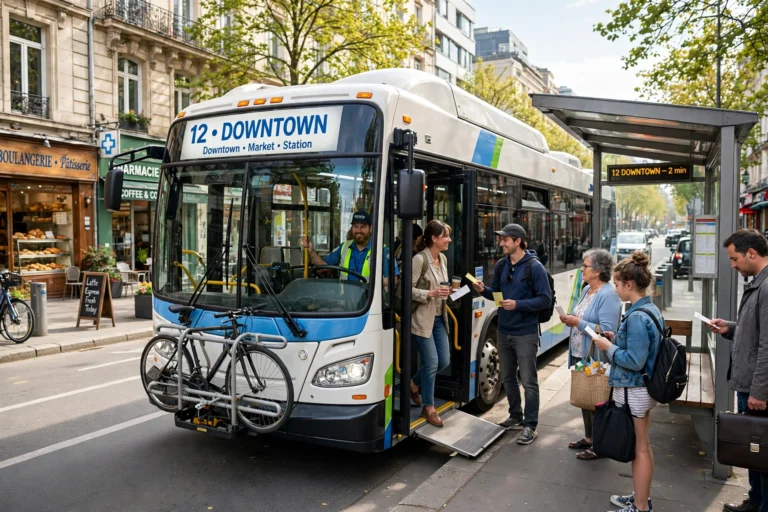
There is one more part of the story that is easy to miss, and it is about the people behind the counter. Think of the woman who weighs your parcel and smiles, even when the queue is long. Or the man who walks your street every morning, rain or shine, with a bag full of letters. Those people are the real post office. The vans and machines help, but without them, nothing moves. Their wages are one of the biggest costs, and also one of the biggest reasons the service works. A friendly face at the counter can turn a confusing form into a simple task, and a careful driver can make sure a fragile parcel arrives in one piece.
You have probably had a moment like that yourself. Maybe you were sending a gift and you were not sure how to fill in the form. The person behind the counter helped you, taped the box, and told you it would arrive on Tuesday. That little bit of help is part of what you paid for, even if it did not show up on the receipt. It is human help, and it is hard to put a price on it.
And here is a thought for the future. As more people shop online, parcels will keep growing. That is good news for post offices, because parcels pay better than letters. But it also means more vans, more sorting, and more work. The post office of the future might look different — more parcels, fewer letters, more online booking — but the core job will stay the same. Take something from one person, carry it safely, and give it to another person. That simple promise is where the money comes from, and where the trust comes from too.
So, does a post office make money? Yes, from stamps, parcels, speed, insurance, boxes, and all those little extras. Does it always make a profit? Not always, because it also has big costs and a duty to serve everyone. It is a business and a public service at the same time, and that balance is what makes it so interesting — and so hard to run.
Frequently Asked Questions
Does a post office make money from stamps alone?
No, not alone. Stamps are an important source of income, but parcels, faster delivery, insurance, post office boxes, and selling packaging also bring in money. Stamps used to be the biggest earner, but fewer people send letters now, so parcels have become more important. The post office needs all of these together to cover its costs.
Why does sending a parcel cost more than sending a letter?
A parcel is bigger and heavier, so it costs more to carry, sort, and deliver. It often needs a van, more space, and more time. If you want tracking or faster delivery, that adds to the cost too. A letter is light and flat, so it can be sorted by machine and carried in a bag, which is much cheaper.
Why do post offices deliver to faraway places if they lose money on it?
In many countries, the post office has a duty to deliver to everyone, everywhere, for the same price. This is called a universal service. It means people in small villages get mail just like people in big cities. Governments often support this because they believe it is fair and good for the whole country, even if some routes lose money.
How do post offices compete with private delivery companies?
They use their big network, their trust, and their experience. The post office already reaches every street and village, which is hard for a new company to copy. They also offer services like post office boxes, money orders, and tracked delivery. Many post offices have also improved their online tools, so customers can print labels and track parcels from home.
What is a PO Box and why do people pay for one?
A PO Box is a small locked box inside the post office where your mail is kept for you. You rent it by the month or by the year. Small businesses use it for a safe mailing address, and people in places where home delivery is tricky use it too. The rent is steady income for the post office, and the box keeps your mail safe until you collect it.
Why does the price of stamps go up over time?
The price goes up because the costs of running a post office go up too. Workers need to be paid, fuel gets more expensive, and buildings cost more to run. If the price of stamps stayed the same forever, the post office would not be able to pay its bills. A small rise each year helps it keep up with those rising costs.