What Is Cashback and How Does It Work? Explained Simply
SUMMARY OF THIS ARTICLE
- Cashback is money you get back after you spend. You pay the full price first, then a small part of it comes back to you.
- Most cashback is between 1% and 5% of what you spend, and it is paid as a statement credit, a bank transfer, or a balance inside an app.
- The money comes from the small fee the shop pays the card company on every card payment. The card company shares a slice of that fee with you.
- There are three main ways to get it: a cashback card, a cashback website or app, and a receipt app that pays you for photos of your shopping receipts.
- It is only a bonus if you pay your card balance in full every month. If you carry a balance, the interest you pay wipes out the cashback many times over.
The Little Message That Made Sara Smile
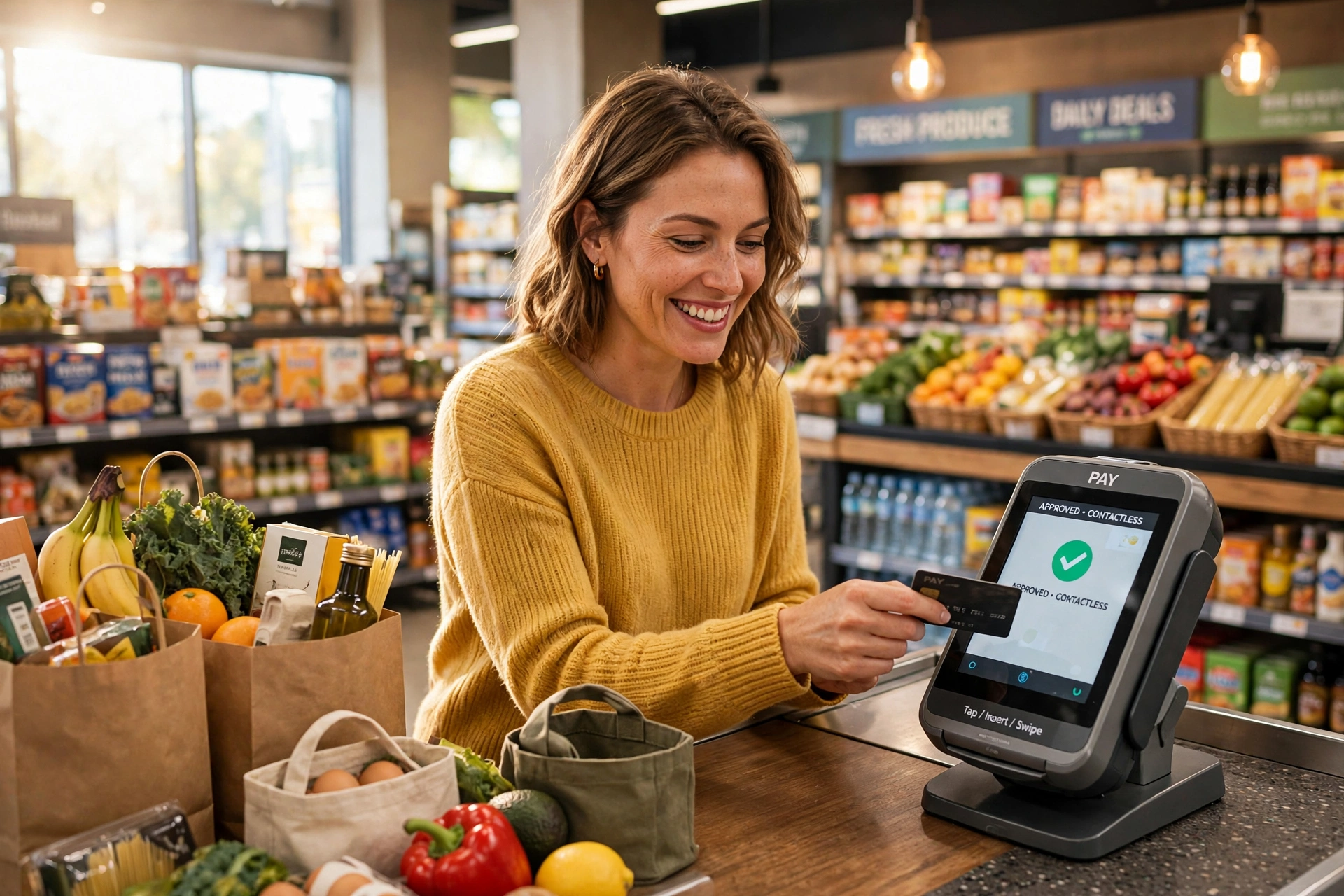
Sara was doing her weekly food shop on a Tuesday morning. Two children, one trolley, a list that was already longer than she had planned. Milk, bread, rice, chicken, and a box of cereal the children had begged for. At the till, the total came to just over ninety pounds. She tapped her card and pushed the trolley out to the car.
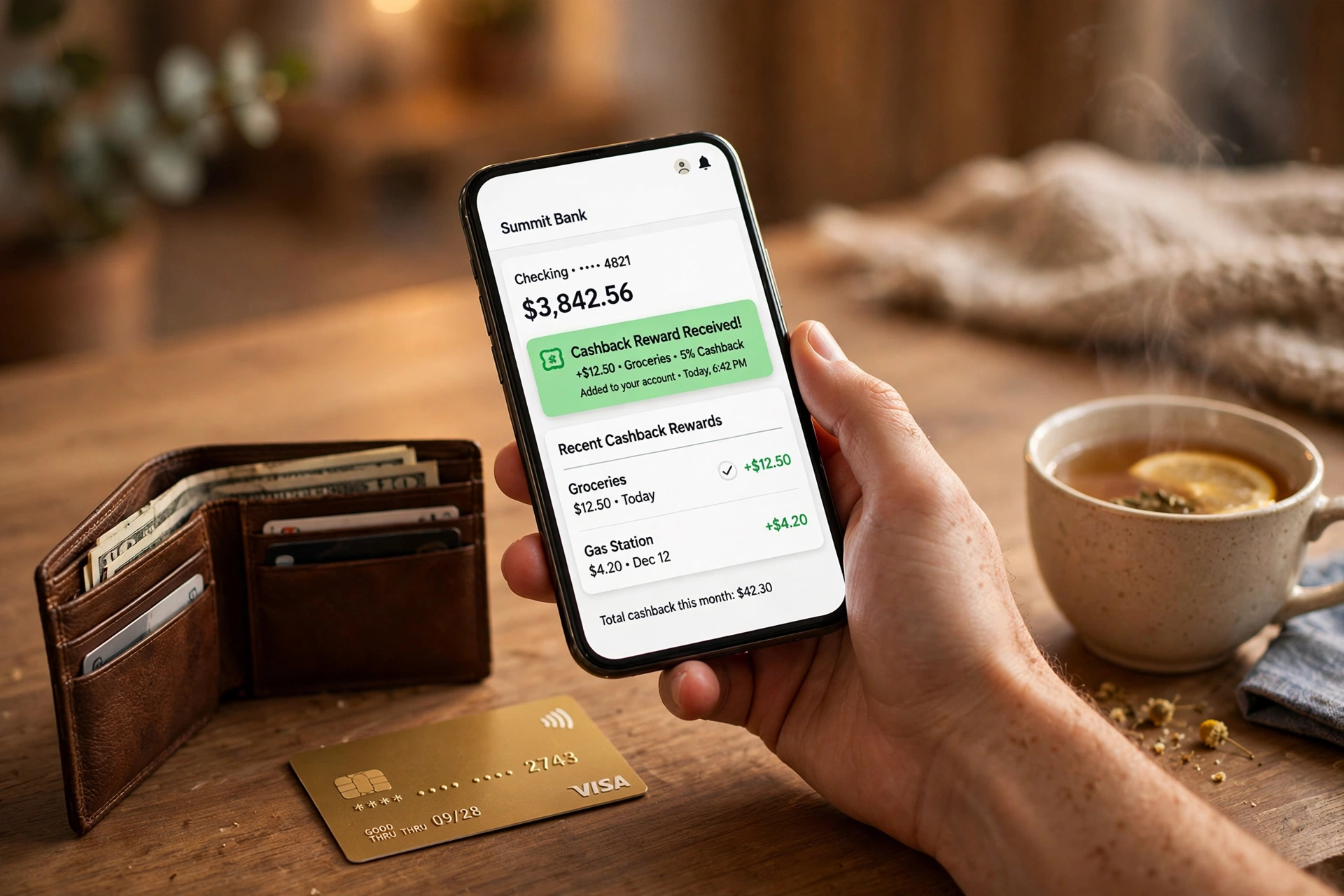
Halfway home, her phone buzzed. It was a message from her bank. “You earned £2.14 cashback on your shopping today.” Sara laughed. Two pounds would not even buy a coffee. But it felt like a small gift for something she had to do anyway. She had simply paid with her card, and a little bit of money had come back.
That is cashback in its simplest form: you spend money you were going to spend anyway, and a small part of it finds its way back to you. It sounds almost too good to be true, and that is the right feeling to have. Cashback is real, but it is small, and it comes with rules that matter. This guide walks through it in plain words: what it is, where the money comes from, the three ways it reaches you, and the one warning that decides whether it helps you or quietly costs you.
So What Is Cashback, Really?
Cashback is money paid back to you after you buy something. You pay the full price at the till or on a website, and later a small percentage of that price comes back to you. It is not a discount, because a discount lowers the price before you pay. With cashback, you pay in full, and the money comes back afterwards.
Think of it like a shop giving you a small thank-you note with a few coins inside, a few days after you have left. You did not haggle. You did not use a voucher. You simply paid through a certain card or app, and that payment earned you a little money back.
Most cashback rates sit between 1% and 5% of the price. Spend £100 at 2% and you get £2 back; at 5% you get £5. Some special offers go higher for a short time, but the everyday rate is small. It is a slow trickle, not a flood. Over a year, a family that spends a few hundred pounds a month on groceries and bills might collect fifty or a hundred pounds. That is real money, and it is nice to have, but it will never make anyone rich.
Where Does the Money Come From?
This is the question most people ask, and it is a fair one. If a shop sells you something for £100 and then gives you £2 back, where does that £2 come from? Nobody is printing free money. The answer sits in a fee most shoppers never see.
Every time you pay with a card, the shop pays a small fee to the card company. You never see this fee, and it is not added to your bill. On a £100 purchase, that fee might be one or two pounds. It is part of the cost of taking card payments, and shops accept it because most customers want to pay by card.
The card company keeps most of that fee, but some share a slice of it with you. That slice is your cashback. So the £2 you got back on your £100 shop was not a gift from nowhere. It was a share of the fee the shop paid for your card payment, passed back to you in the hope that you will keep using its card.
Cashback websites work in a similar way. When you click through their link to a shop and buy something, the shop pays the website a small commission. The website keeps part of it and gives the rest to you. The shop got a sale it might not have had, the website earned a fee, and you got a little money back on a purchase you were going to make anyway.
Once you see this, cashback stops looking like magic. It is simply a share of a fee that already exists. The card company shares its income with you for one clear reason: it wants your loyalty. A card that gives you money back is a card you will reach for first.
The Three Ways Cashback Reaches You
There are three main ways to earn cashback, and each suits a different kind of shopper.
The first way is a cashback card. This is a debit card or a credit card that pays you a percentage of everything you spend on it. You use it exactly like a normal card. You tap it at the supermarket or type the number in online. Then, every month or every few months, the card company adds up your spending and pays you a percentage back. Some cards pay a flat rate, such as 1% on everything. Others pay more on certain kinds of spending, such as groceries, and less on the rest. The money usually arrives as a credit on your statement.
The second way is a cashback website or app. These sites act as a doorway to the shops you already use. You open the cashback site first, search for the shop you want, click the link, and then shop exactly as you normally would. The shop pays the website a commission for your visit, and the website shares it with you. This way works best for online shopping, because you need to start at the cashback site for the visit to count. If you go straight to the shop, you earn nothing. Some of these sites have a browser add-on that pops up when cashback is available, which helps, because forgetting is the most common way people miss out.
The third way is a receipt app. This one works with paper receipts from real shops. You buy your groceries or your clothes as normal, then you take a photo of the receipt with the app. The app reads the receipt and pays you a small amount, sometimes more if you bought a product that has a special offer. Receipt apps often work with specific brands, so a receipt showing a certain brand of coffee might earn more than one that does not. The amounts are tiny, but they add up over a year.
You can mix these ways. Many people use a cashback card for everyday spending and a cashback website for bigger online purchases, like a holiday booking or a new television. That is the smartest way to use cashback, as long as you do not let the chase for a few pounds change what you buy. The reward should follow the purchase, never lead it.
A Worked Example: £100 at 2% Is £2
Numbers make cashback easy to understand, so here is one clear example. It is made up, with round numbers, just to show how the maths works.
Imagine you spend £100 on your weekly food shop and you pay with a cashback card that pays 2%. Two percent of £100 is £2. That is the whole calculation. Do the same shop every week for a year, and 52 weeks of £2 adds up to £104. That could pay for a nice meal out, or a birthday present, or a chunk of a bill.
Now imagine the rate is 1% instead. One percent of £100 is £1, which is £52 over a year. And at 5%, a high rate that usually applies only to certain shops or for a short time, £100 earns £5 back. Almost nobody earns 5% on everything they buy, all year long. High rates are usually limited to one shop, one category, or the first few months after you open a card.
One more thing to notice: the £2 comes back later, not at the till. You pay the full £100 first, and the £2 arrives days or weeks later. That delay is normal. The card company or the website needs time to check that your purchase was real and that you did not return the goods. If you return something you bought, the cashback on that item is usually taken back too. You cannot get money back on something you no longer own.
Cashback Is Not a Discount
People often mix cashback up with a discount, because both leave you better off. But they work in different ways, and the difference matters when you are deciding whether a deal is good.
A discount lowers the price before you pay. If a coat costs £50 and the shop offers 20% off, you pay £40 at the till. The saving is instant, and you can see it on the receipt straight away.
Cashback does not lower the price. If the same coat costs £50 and your card pays 2% cashback, you pay the full £50 at the till. You walk out having spent £50. Then, days later, £1 comes back to you. In the end, you have spent £49, which is close to the same result, but the path is different. You had to pay the full amount first, and you had to wait for the money to come back.
It matters for two reasons. First, a discount is certain. You know the price before you pay, and the saving is yours the moment you hand over the money. Cashback is less certain. It can be delayed, or reduced if you return the item. Some cashback never arrives at all, because the purchase was not tracked properly, or because you forgot to start at the cashback website. A discount never forgets to arrive.
Second, a discount does not ask you to pay in a certain way. Anyone can use one, whether they pay with cash or a card. Cashback usually asks you to pay through a certain card or a certain app, and if you pay with cash, you get no cashback at all. That is worth remembering, because cash is still the cheapest way to pay for many people. A gift card works in yet another way, because you pay for the card first and spend the balance later, and a gift card never gives you money back. Each of these is a different tool, and each suits a different moment.
The Honest Warning: Interest Eats Cashback for Breakfast
Now we come to the most important part of this guide, and the part many cashback adverts leave out. Cashback only helps you if you pay your credit card balance in full, every single month. If you do not, the interest you pay will eat your cashback and keep eating long after it is gone.
Let us use round numbers again. Imagine you spend £100 on a credit card that pays 2% cashback. You earn £2 back. That is the good news. Now imagine you do not pay the £100 off at the end of the month. The card company charges you interest, and credit card interest is high. If the interest on that £100 comes to £3 in a month, you have paid £3 to earn £2. You are £1 worse off. And if you leave the balance for several months, the interest keeps growing, while the cashback stays at £2. After three months, you might have paid £9 or £10 in interest for £2 of cashback. That is a loss dressed up as a reward.
This is why the warning matters. Cashback cards are designed for people who pay in full. For those people, the card is a small bonus on spending they would do anyway. For people who carry a balance from month to month, the same card is a trap, and the interest rate on a cashback card is often higher than on a plain card with no rewards. A guide to how credit card interest works explains this cost in the same plain way, and it is worth reading before you choose any card that offers rewards.
The same warning applies to cashback on loans or phone contracts. If a website offers you a big reward for taking out a loan or a new contract, stop and think. The cashback might be £50 or £100, which sounds generous. But if the loan or the contract costs you hundreds of pounds more than a cheaper one over its lifetime, the cashback was not a bargain. Always look at the full cost first, and treat the cashback as a small extra, never as the reason to buy.
When Cashback Is Worth It
So when does cashback make sense? It makes sense when it is a quiet bonus on spending that was already going to happen. You were going to buy groceries this week, pay the electricity bill, or book a train ticket. If the same purchase, at the same price, earns you a little money back, then that money is a genuine bonus. You have changed nothing about your life, and you are a few pounds better off.
It also makes sense when the cashback comes from a card or an app with no annual fee. Some cashback cards charge a yearly fee, and that fee can be bigger than the cashback you earn. If a card charges £50 a year and you earn £40 in cashback, you have lost £10. Before you take any card with a fee, do the simple maths: add up the cashback you are likely to earn in a year, then subtract the fee. If the answer is not clearly positive, choose a card with no fee instead.
The best way to think about cashback is as a small thank-you, not as a way to save money. Real saving comes from spending less, not from earning a percentage back on what you spend. If you spend £100 to earn £2, you have still spent £98. If you had not bought the thing at all, you would have kept the whole £100. That sounds obvious, but it is the point most people forget when a cashback offer flashes on their screen. The clever move is to spend only on things you needed anyway, and let the cashback follow quietly behind.
The Traps to Watch For
Cashback is a friendly idea, but it has a few traps, and it is better to know them now than to learn them the hard way.
The first trap is spending more to earn more. A website tells you that you will earn £10 back on a £200 pair of shoes you do not need. Your brain hears the £10 and forgets the £200. But you spent £200 to get £10 back, so you are £190 poorer than if you had bought nothing. Cashback should never be the reason to buy something. If you would not buy it without the cashback, do not buy it with the cashback either.
The second trap is the higher price. Some shops charge more when you pay through a cashback route. If the same item costs £80 in one shop with no cashback and £90 in another shop with 5% cashback, the first shop is cheaper. Five percent of £90 is £4.50, so the second shop still costs you £85.50. Always compare the final price after cashback, not the cashback on its own.
The third trap is the small print. Some cashback is only paid after you have spent a certain amount, or only on certain kinds of purchases. Groceries might count, but fuel might not. Some cashback expires if you do not claim it in time. Some websites only pay out once your balance reaches £10 or £20, and if you stop using the site, that money can sit there for months. It is written in the terms and conditions, but very few people read those, and the companies know it. A quick look at the main rules before you sign up can save you a surprise later.
The fourth trap is the one that catches the most people: forgetting. With a cashback card, forgetting is not a problem, because the card does the work. With a cashback website, forgetting is the whole game. If you go straight to the shop and skip the cashback site, you earn nothing. If you use a different browser, clear your cookies, or click another link on the way, the visit may not be tracked, and the cashback may never arrive. If you use a website, use its browser add-on or its app, and make starting there a habit.
A Quiet Habit That Adds Up
Think back to Sara and her Tuesday shop. Her £2.14 did not change her week. But over a year of Tuesday shops, those small amounts would add up to more than a hundred pounds. That is a real sum: a winter coat, a birthday present, or a month of small treats. And Sara earned it without changing a single thing about her shopping. She bought the same food, at the same shop, at the same prices, and simply paid with a card that gave a little back.

Frequently Asked Questions
What is cashback in simple words?
Cashback is money you get back after you spend. You pay the full price first, and then a small part of it, usually 1% to 5%, comes back to you as a credit, a bank payment, or a balance in an app. It is a small bonus on spending you were going to do anyway.
How do I get cashback?
You can get it in three main ways. You can use a cashback card, which pays you a percentage of everything you spend on it. You can start your online shopping at a cashback website, which shares its commission with you. Or you can use a receipt app, which pays you a small amount for photos of your shopping receipts.
Where does the cashback money come from?
It comes from a fee the shop pays when you pay by card. The card company keeps most of that fee and shares a slice of it with you. With a cashback website, the money comes from the commission the shop pays the website for sending you there. Nobody prints free money, and the cashback is a share of a fee that already exists.
Is cashback really free money?
It is real money, but it is not free in the way people sometimes think. You have to spend money to earn it, and the amount is small, usually a few pence on a small purchase and a few pounds on a big one. It only helps you if you pay your card in full every month, because interest on an unpaid balance costs far more than the cashback you earn.
How much cashback can I earn in a year?
It depends on how much you spend and what rate you earn. As a simple example, if you spend £100 a week on groceries with a card that pays 2%, that is £2 a week, or about £104 over a year. Most people earn somewhere between a few dozen and a couple of hundred pounds a year. It is a nice bonus, not an income.
Can I lose cashback I have already earned?
Yes, sometimes. If you return something you bought, the cashback on that item is usually taken back. Some cashback also expires if you do not claim it before a deadline, and some cashback websites only pay out once your balance reaches a minimum amount. Cashback can also fail to arrive if a purchase was not tracked properly, for example if you went straight to the shop instead of starting at the cashback website.
More from Zorium Daily
- What Is a Gift Card and How Does It Work?
- How Does Credit Card Interest Work?
- What Is Interest and Why Do Banks Pay It?
- How Do People Pay Without Cash?
The next time your phone buzzes with a message that says you earned a pound or two back on your shopping, you will know exactly what happened. A shop paid a small fee on your card payment, the card company shared a slice of it with you, and a little money found its way home. It is a small thing, but small things add up, and now you know how to keep the bonus on your side.