How Does a Petrol Station Make Money? Explained Simply
SUMMARY OF THIS ARTICLE
- A petrol station makes very little money from the fuel itself. After the wholesale price, tax, and card fees, only a few pence per litre is left.
- The fuel is the magnet. It brings drivers in, and the real profit comes from what they buy once they stop.
- The shop is the heart of the business. Coffee, snacks, and drinks sell at far higher margins than petrol, often around 30 to 50 percent.
- The car wash, air and vacuum machines, ATM fees, and lottery tickets add small amounts of money that stack up over hundreds of customers a day.
- Location and volume decide everything. A busy station on a main road can earn far more than a quiet one, even if both sell the same fuel.
The Little Orange Light That Started the Question
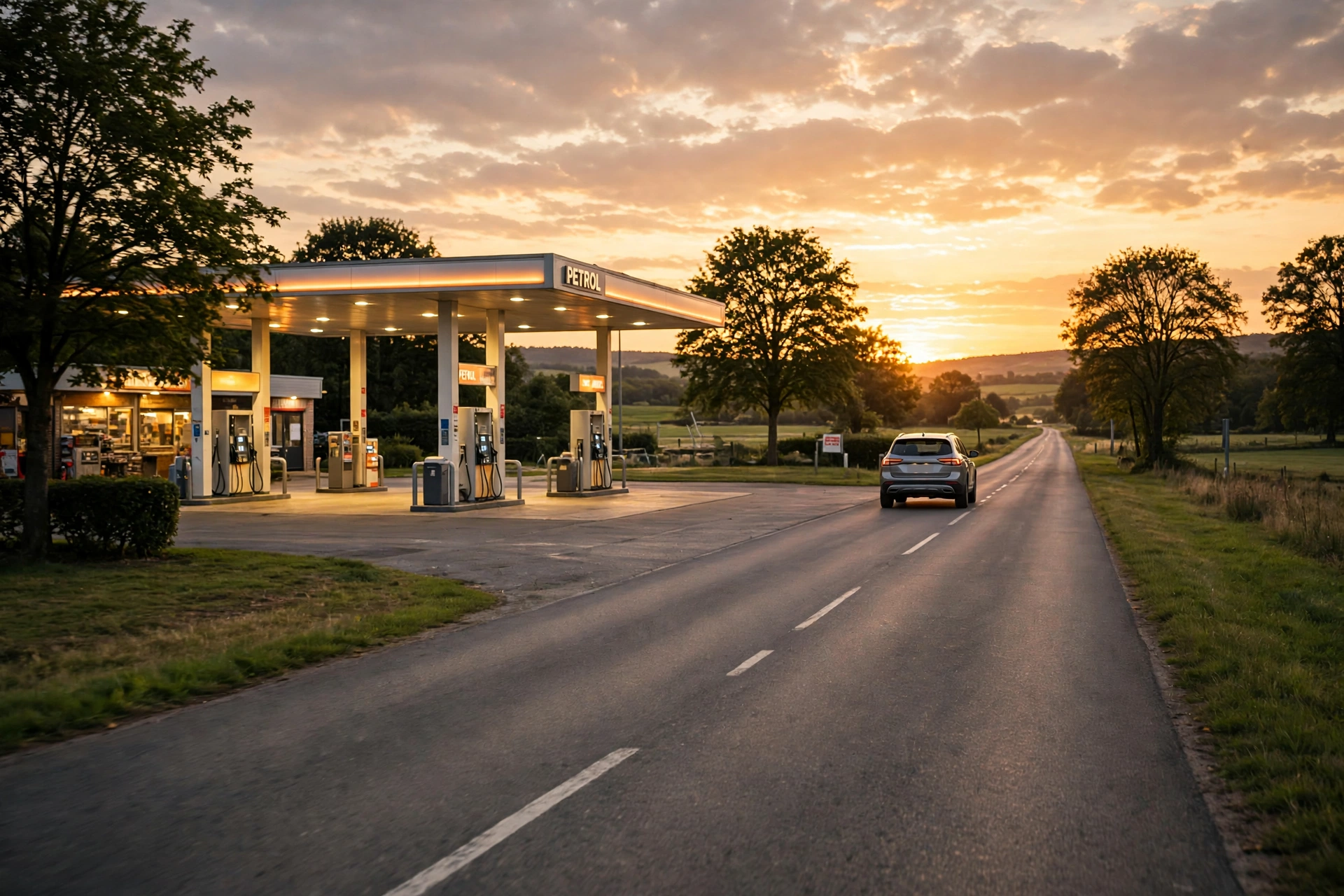
Sara was driving home from work on a Friday evening when the little orange fuel light came on. She pulled into the nearest petrol station, the one with the bright sign she had passed a hundred times without really looking at it.
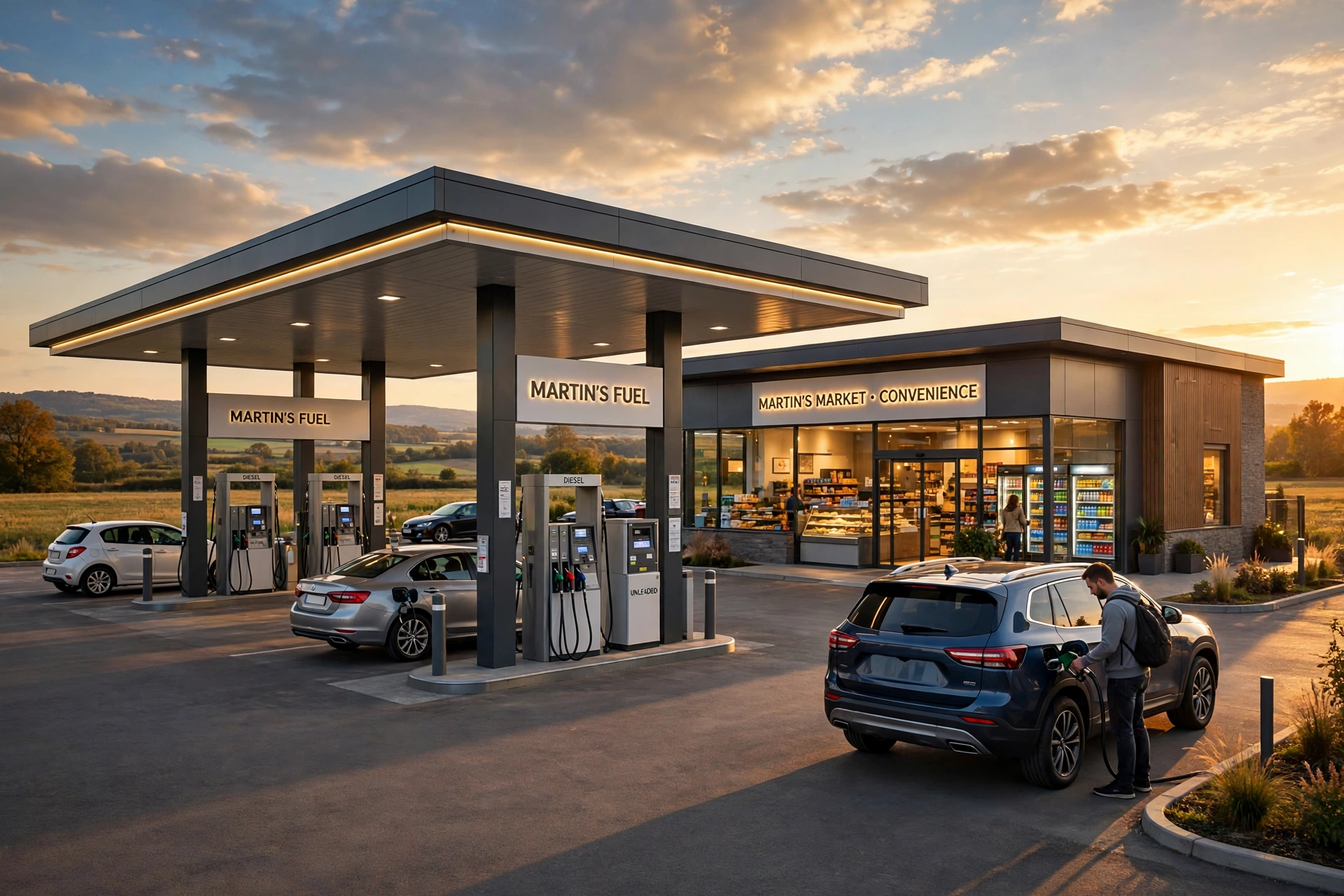
While the pump clicked and the numbers climbed, she looked around. The shop glowed warm and bright. A man in a suit bought a coffee and a sandwich. A woman with two children picked up crisps, juice, and a chocolate bar. A teenager put coins into the air machine for his bicycle tyres. Another car rolled through the car wash, soap and water sliding down its windows.
Sara did the maths in her head as she watched the price on the pump pass forty pounds. Forty pounds, just for one tank. If hundreds of cars stopped here every day, this place must be making a fortune. The owner must be rich. She drove home thinking about it, and by the time she reached her street, she had decided to find out.
The Big Surprise: Fuel Is the Magnet, Not the Money
Let us start with the surprise, because everything else makes sense once you see it. A petrol station sells a lot of fuel. A busy station can sell thousands of litres every single day. The money coming through the till looks enormous. But most of that money does not belong to the station at all. It passes straight through, like water through a pipe, on its way to someone else.
Think of it this way. Imagine you run a small stall and you sell bottles of water for one pound each. But you have to pay eighty pence to buy each bottle, ten pence in tax, and five pence to the card company when someone pays by card. That leaves you five pence per bottle. You would need to sell hundreds of bottles just to pay for the stall itself, let alone make a living. That is roughly what selling fuel is like.
This is why petrol station owners talk about fuel the way a baker talks about the smell of fresh bread. The smell pulls people through the door. The bread is what pays the rent. In a petrol station, the fuel is the smell of fresh bread. It brings the cars in. Once the car is parked and the driver is walking toward the shop to pay, or to stretch their legs, or to buy a coffee because the road is long, that is when the real business begins.
Where Every Pound of Fuel Money Goes
To see why the fuel slice is so thin, let us follow one pound, or one dollar, of fuel money and watch where it goes. The numbers below are a made-up example with round numbers, just to show how the pieces fit together. Real prices change every week, and they are different in every country, but the pattern is the same everywhere.
Imagine a litre of petrol sells for £1.50. That is our made-up round number. Out of that £1.50, the station first has to buy the fuel itself from a wholesaler or a refinery. That might cost around 70 pence. Then the government takes its share in fuel duty and tax, which in this example comes to about 65 pence. Then the card company takes a small fee when a customer pays by card, say 3 pence. There are also delivery costs, because a big tanker has to bring the fuel to the station, and the station has to pay for the pumps, the tanks underground, and the electricity to run them.
Add all of that up, and the station might be left with only a few pence per litre. Let us say 5 pence in our example. Five pence does not sound like much, and it is not. Sell a thousand litres and that is fifty pounds. Sell ten thousand litres and that is five hundred pounds. It sounds better at volume, but remember the station also has to pay rent, staff wages, insurance, and the cost of keeping the lights on all night. The fuel alone rarely covers all of that.
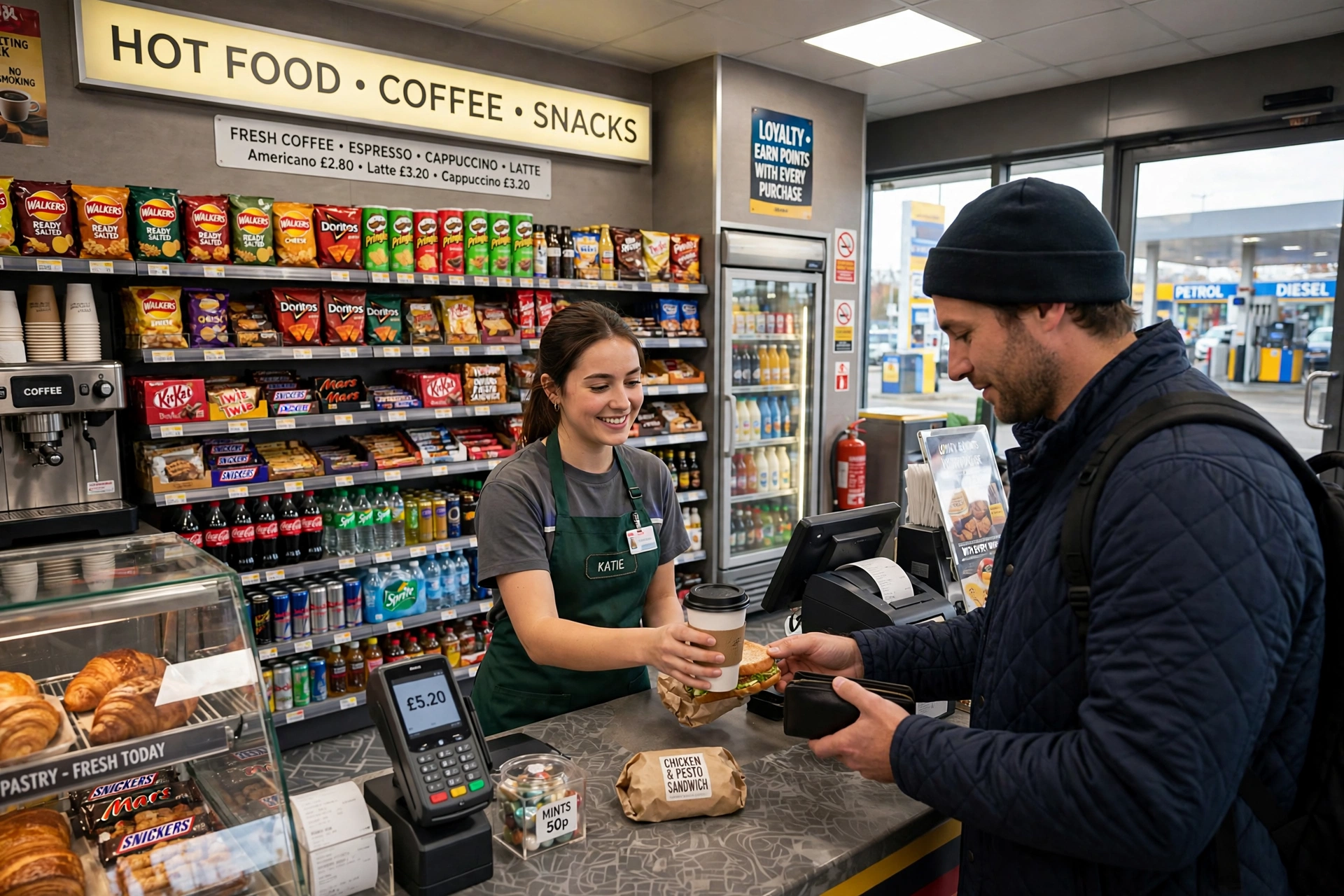
Now compare that with a cup of coffee in the shop. A station might buy the cup, the coffee, the milk, and the sugar for about 50 pence, and sell the finished coffee for £2.50 or £3. That leaves around £2 of profit on one small cup. One coffee can earn as much as forty litres of fuel. That is the whole secret in a single comparison. Fuel brings volume. Coffee, snacks, and drinks bring profit.
The Shop Is Where the Bills Get Paid
Walk into a petrol station shop and look at it with fresh eyes. It is not a random collection of shelves. Every shelf has been planned. The things with the best profit sit exactly where tired, hungry drivers will see them.
Coffee is the star. A station coffee machine can make hundreds of cups a day, and each cup costs very little to make. The driver is often tired, often cold, and often in a hurry. A hot coffee feels like a small kindness on a long drive, and three pounds feels like nothing after spending forty on fuel. It is one of the easiest sales in the whole world of business, and the station makes good money on every single cup.
Snacks and drinks come next. Crisps, chocolate, sweets, sandwiches, cold drinks, and bottles of water. These are the things people buy without thinking, because they are hungry now and the shop is right there. The margins on these are often around 30 to 50 percent, which means the station keeps roughly a third to a half of the selling price as gross profit before paying the shop’s own costs. Compare that with fuel, where the station keeps only a few pence out of every pound, and you can see why the shop matters so much.
The layout helps too. The till is usually at the back, so a driver paying for fuel has to walk past the coffee machine, the sandwich fridge, and the chocolate shelf. The most tempting things sit near the till, right at eye level, where a hand can reach them while waiting. None of this is an accident. It is the same careful thinking that makes a supermarket put sweets near the checkout, and the guide to how a supermarket makes money explains how shops like that earn from the same tricks on a much bigger scale.
The Car Wash, the Air Pump, and All the Small Extras
Beyond the shop, a petrol station has a collection of smaller money-makers, and together they add up to a real amount. None of them looks impressive on its own. That is the point. Small amounts, repeated hundreds of times a day, become serious money.
The car wash is the biggest of these extras. A basic wash might cost eight or ten pounds, and once the machine is bought and installed, each wash costs very little in water, soap, and electricity. A station on a busy road can wash dozens of cars a day. Some drivers wash their car every week out of habit, and a dirty car after a rainy week is a sight that sells the wash by itself. A few stations also offer a hand wash or a vacuum service for a little more, and those cost mainly time and labour.
Then there are the air and vacuum machines. A driver whose tyre looks flat will happily pay a pound or two for air. It costs the station almost nothing to provide, once the machine is there. The vacuum cleaner is the same. A family coming back from a beach holiday, with sand all over the car seats, will pay for five minutes of vacuuming without a second thought. These are tiny sales, but they happen all day long, and they cost the station very little.
Location, Location, Location
Ask any petrol station owner what matters most, and they will give you the same answer every time. Location. A station is a business that depends entirely on the road outside its door, and not all roads are equal.
A station on a busy main road, near a motorway junction, or on the way into a town will see hundreds or even thousands of cars pass every hour. Even if only a small share of those drivers stop, the station will be busy all day. A station on a quiet side street, or one hidden behind a bend where drivers cannot see the sign until they have passed it, will struggle no matter how good the shop is. Drivers cannot stop at a station they never notice.
This is also why a station in a good spot can be worth a fortune even if the building looks ordinary. The value is not in the bricks. It is in the flow of cars past the door. Take the cars away, by building a new bypass or closing a road, and the same station can fade fast. Location is the one thing an owner cannot change, which is why choosing the right spot matters more than anything else.
The Volume Game: Small Slices, Huge Numbers
If the slice on each litre is so thin, how does any station survive? The answer is volume. A petrol station is a volume business. It makes a little on each sale, but it makes that little thousands of times a day, and the shop sales ride along on top.
Picture two stations. The first sells fuel to fifty cars a day. The second sells fuel to five hundred cars a day. Both keep the same few pence per litre. But the second station earns ten times as much from fuel, and it also gets ten times as many people walking past the coffee machine. Its shop sells ten times as many sandwiches. Its car wash runs ten times as often. Volume lifts every part of the business at once.
This is why busy stations stay open twenty-four hours a day. The night hours look quiet, but a station on a main road still gets lorries, taxis, and night-shift workers through the night. Each one is a small sale, and the station is already paying for the lights and the staff member on duty. Every extra car that stops during those quiet hours is almost pure gain, because the costs are already covered.
Who Actually Owns the Station?
Not every petrol station is owned by a big oil company. In fact, many are not. There are a few different ways a station can be run, and the way it is run decides who keeps the money.
Some stations are owned and run by the big fuel brands themselves. The company owns the land, the pumps, and the shop, and it hires a manager and staff to run it. The company takes the profit, but it also takes the risk. If the station has a quiet month, the company absorbs the loss.
Many more stations are run by independent owners under a brand name, a bit like a franchise. The owner buys the fuel from the brand, pays to use the brand’s name and sign, and runs the shop as their own business. They keep the shop profit, and they keep the small slice from the fuel, but they also pay rent, wages, and all the bills. Their income depends entirely on how well they run the place. A good owner who keeps the shop clean, the shelves full, and the staff friendly will do well. A careless owner will watch customers drift to the station down the road.
What It Costs to Keep the Lights On
A petrol station looks simple from the road, but it is an expensive place to run. The costs start before a single car arrives and they never stop.
First there is the land and the building. A station needs a big piece of land on a good road, and land on a good road is never cheap. The rent or the loan on that land is one of the biggest costs every month, and it has to be paid whether the station is busy or quiet. Then there is the cost of the tanks buried underground, the pumps, the pipes, and the safety systems that stop leaks and fires. Fuel is dangerous stuff, and the rules for storing it are strict for good reason. The equipment has to be checked and maintained, and that costs money too.
Then there are the people. A station needs staff at the till, someone to keep the shop stocked and clean, and often someone to look after the car wash and the forecourt. Wages are a big cost, especially for a station that stays open late or all night. On top of wages there is insurance, which is high for a business that stores thousands of litres of fuel, and electricity, which runs the pumps, the lights, the fridges, and the coffee machines around the clock.
This is also why some small stations close down. A quiet station in a village, or one that loses its passing traffic when a new road opens, can find that its costs are bigger than its income. The fuel sales are not enough, the shop is too quiet, and the numbers stop adding up. It is a sad sight, an empty forecourt with weeds growing through the cracks, but it is a reminder that a petrol station is a real business with real costs, not a machine that prints money.
Petrol Station or Gas Station? A Quick Note for American Readers
If you are reading this in the United States, you probably call it a gas station, not a petrol station. The words are different, but the business is exactly the same. In America, the fuel is called gasoline, or gas for short, and the stations are often bigger, with larger shops and more pumps. Some American stations are part of huge travel centres with restaurants, showers, and parking for lorries. But the economics are the same on both sides of the ocean. The fuel brings the drivers in, and the shop, the food, and the extras make the money.
The same is true in other countries. In some places the station is called a service station, a filling station, or a garage. The names change, the signs look different, and the prices are in different currencies, but the surprise is the same everywhere. The big tanks of fuel are not the treasure. The little shop with the coffee machine is.
How It Compares to Other Roadside Businesses
A petrol station is not the only business that earns from travellers, and comparing it with its neighbours helps the picture become clear. A coffee shop earns almost all of its money from drinks and food, with no fuel at all. A petrol station earns from the same drinks and food, but it uses fuel to bring the customers to the door. The coffee shop has to win customers with taste and atmosphere. The petrol station wins them with necessity, because every driver has to stop for fuel sooner or later.
The petrol station sits between two worlds. It is part fuel seller and part shopkeeper. The fuel side gives it a steady stream of visitors that most shops would love to have. The shop side turns those visitors into profit. Take either side away and the business falls apart. Fuel without a shop is a thin business that barely pays its costs. A shop without fuel is a shop that nobody stops at, because there is no reason to pull off the road. Together, they work. That is the real trick of the petrol station, and it is a clever one.
The Lesson Sara Took Home
Sara never did become a petrol station owner. She went home that Friday evening, made her cup of tea, and thought about what she had learned. The station she had stopped at was not a gold mine of fuel money. It was a shop that happened to sell fuel, a place that earned its living one coffee, one sandwich, and one car wash at a time.
The next time she stopped for fuel, she noticed everything differently. She noticed the coffee machine by the door and the sandwiches in the fridge. She noticed the car wash queue and the man buying a lottery ticket. She noticed the price sign, tall and bright, calling drivers in off the road. And she smiled, because now she knew the secret. The fuel gets you through the door. The shop pays for the building.
If you run a business of your own, or you dream of starting one, the petrol station has a lesson for you. Sometimes the product everyone sees is not the product that makes the money. Sometimes the real business is the small thing next to it, the thing people buy while they are already there. Find the thing that brings people in, and then find the thing they will happily buy once they have arrived. That is how a petrol station makes money, and it is how a lot of good businesses work.
Frequently Asked Questions
How much profit does a petrol station make on fuel?
Very little per litre. After paying for the fuel itself, tax, and card fees, a station is often left with only a few pence per litre. That is why fuel alone rarely covers the costs of running a station. The profit comes mainly from the shop, the car wash, and the other extras, not from the pump.
Why is petrol so expensive if stations make so little?
Most of the price you pay is not kept by the station. A large part goes to the wholesale cost of the fuel, and another large part goes to the government in fuel duty and tax. The station keeps only a small slice. The price feels high because the tax and the wholesale cost are high, not because the station is taking a big cut.
What makes the most money at a petrol station?
The shop makes the most money, and coffee is often the star product. A cup of coffee costs very little to make and sells for a few pounds, so the profit on one cup can match the profit on dozens of litres of fuel. Snacks, drinks, and sandwiches follow close behind, and the car wash adds a good amount too.
Do petrol stations make money from the car wash?
Yes, the car wash is one of the best extras a station can have. Once the machine is bought and installed, each wash costs very little in water, soap, and electricity. A busy station can wash dozens of cars a day, and that money adds up fast. It is a small sale repeated many times, which is the same pattern as the shop.
Is a petrol station a good business to own?
It can be, but only in the right place and run well. A busy station on a main road with a good shop can earn a solid living for its owner. A quiet station, or one with a poor shop, can struggle, because the costs of rent, staff, and equipment are high. Location, volume, and a well-run shop decide whether it works.
What is the difference between a petrol station and a gas station?
There is no difference in the business, only in the words. In Britain and many other countries it is called a petrol station, and the fuel is called petrol. In the United States it is called a gas station, and the fuel is called gasoline or gas. The way they make money is the same on both sides of the ocean.
More from Zorium Daily
- How Does a Coffee Shop Make Money?
- How Does a Supermarket Make Money?
- How Does a Bus Company Make Money?
- How Does a Food Truck Make Money?
The next time you pull into a petrol station and watch the numbers climb on the pump, remember what is really happening. The fuel is the reason you stopped, but the coffee in your hand, the snack on the passenger seat, and the clean windscreen are the reason the station stays in business.