How Did People Tell Time Before Clocks Were Invented?
By Zorium Daily News Desk
Introduction
Imagine you wake up one morning and your phone is dead. Your watch is gone. There is no clock on the wall. How would you know what time it is? Would you know if it was time for breakfast, time for school, or time for bed? For most of us, that question feels strange. We live with clocks all around us. They sit on our phones, on our walls, on our wrists, and on our computers. We check the time without even thinking about it.
But for most of human history, there were no clocks at all. There were no watches, no phones, and no alarm bells that rang at the same time every day. People still had to wake up, work, eat, meet friends, plant crops, and pray. They still had to know when the day began and when it ended. They still had to plan for the seasons. So how did they do it?
The answer is simple and clever. People used nature. They watched the Sun move across the sky, shadows grow long and short, the Moon change shape, and the stars at night. They used water, sand, candles, and bells. Step by step, over thousands of years, they built better and better ways to tell time. None of these early tools was perfect, but together they show how smart and patient people were long before the first real clock was made. In this article, we will start with the Sun, the first clock in the sky, and learn about sundials, water clocks, candle clocks, hourglasses, and church bells, and how the first mechanical clocks finally changed everything.
SUMMARY OF THIS ARTICLE
- Long before clocks, people told time by watching the Sun, the Moon, and the stars, and by watching shadows move during the day.
- Sundials used the shadow of a stick or a pointer to show the time, but they only worked when the Sun was shining.
- Water clocks, candle clocks, and hourglasses measured time by the slow fall of water, the slow burn of a candle, or the slow fall of sand.
- At night, people used the Moon and the stars, and in towns people listened for church bells and the calls of town criers.
- The first mechanical clocks appeared in Europe in the later Middle Ages, and they slowly made time the same for everyone, day and night.
The Sun Was the First Clock
The Sun was the first clock that people ever used. It is still the most natural clock we have. Every morning, the Sun rises in the east. It climbs up into the sky. At noon, it is high above us. In the afternoon, it sinks lower. In the evening, it sets in the west. Then night comes. This pattern happens every day, and people learned to read it like a book.
Long ago, farmers used the Sun to plan their work. When the Sun came up, it was time to get up and start work in the fields. When the Sun was high and hot, it was time to rest and eat. When the Sun was low in the west, it was time to finish work and go home. When the Sun was gone, it was time to sleep. This was not exact time. No one could say it was ten o clock or three o clock. But it was enough for daily life. People did not need to know the exact minute. They needed to know if it was morning, noon, or evening.
The seasons also came from the Sun. In summer, the days are long. In winter, the days are short. Farmers needed to know when to plant seeds in spring and when to gather crops in autumn. They watched the Sun rise in a slightly different place each day, and over weeks and months they saw the pattern. This helped them build a calendar. The Sun did not just tell them the time of day. It told them the time of year too. But the Sun alone was not enough. It could not tell you the time on a cloudy day or at night. People wanted to divide the day into smaller parts, so they started to use shadows. As the Sun moves, a shadow moves too, and that movement became the next big step in telling time.
Shadows and the Sundial
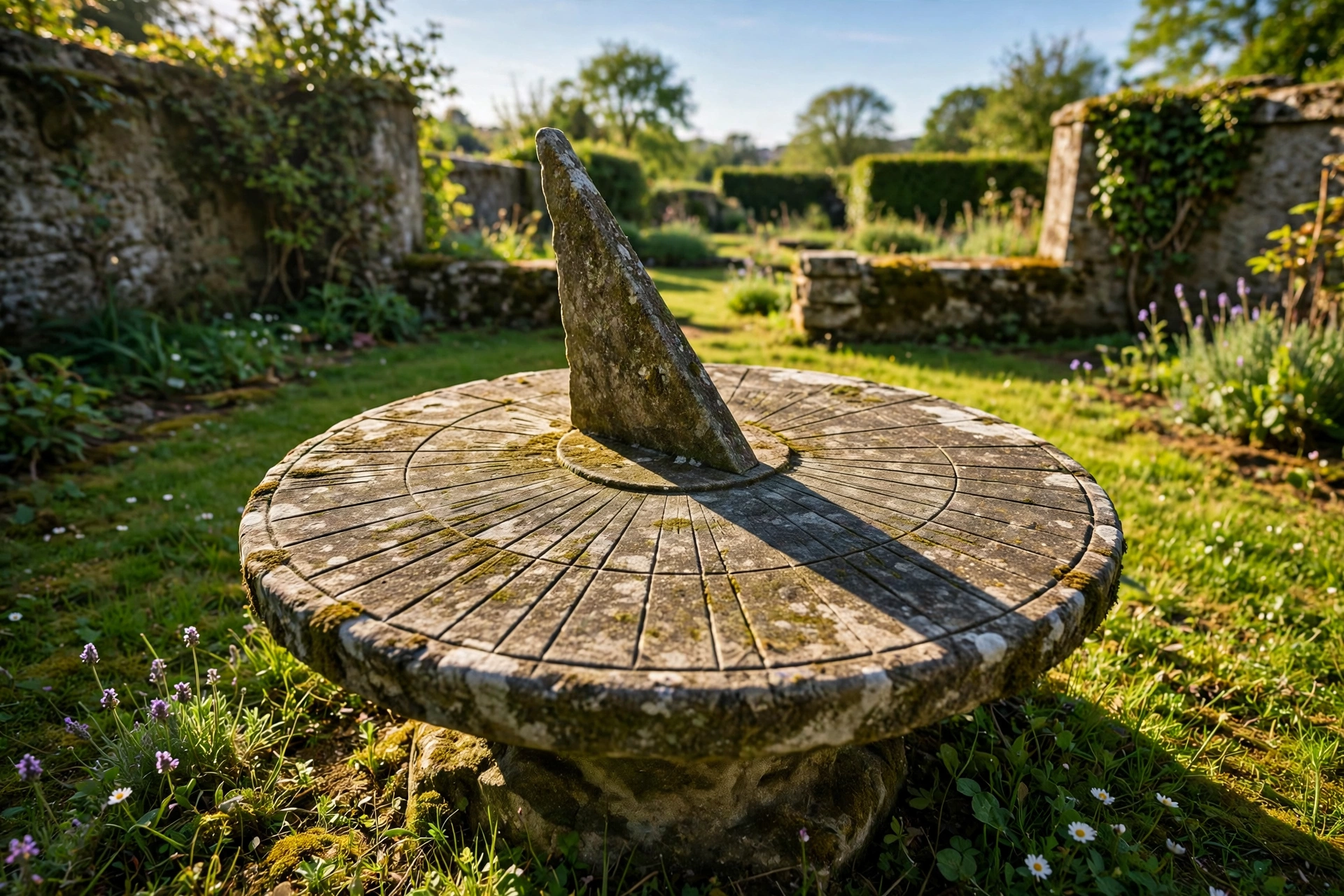
A sundial is one of the oldest time tools in the world. It is simple to understand. You put a stick or a flat piece of stone in the ground. The Sun shines on it. It makes a shadow. As the Sun moves across the sky, the shadow moves across the ground. If you mark lines on the ground, you can read the time from where the shadow falls. Morning shadows are long and point one way. Noon shadows are short. Afternoon shadows are long again and point the other way.
The oldest sundials we know about come from Egypt and the Middle East, where people used them more than three thousand years ago. Some were just a stick in the ground with marks around it. Some had a flat stone base with lines for the hours and a raised part in the middle, called a gnomon, which cast the shadow. Later sundials were made of stone, bronze, and wood. Some were small enough to carry. Sundials worked well in sunny places, but they did not work at night or well on a cloudy day, or in winter in cold lands, when the Sun was low and weak. They also had to be set up in the right place and facing the right way, or they would give the wrong time.
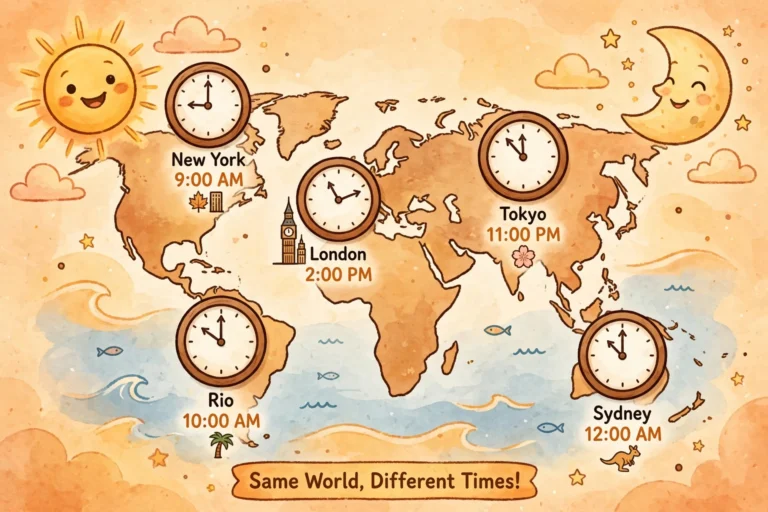
Even so, sundials were used for a very long time. The Greeks and the Romans placed them in town squares, in gardens, and in front of temples. Even after mechanical clocks were made, people still used sundials to check the time and to set their clocks. A sundial was cheap, it never needed fuel, and its only fuel was sunlight. One fun fact is that sundials show local time, not the same time for everyone. A sundial in one town would show a slightly different time from one far to the east or west, because the Sun reaches each place at a slightly different moment. Long ago, there were no time zones. Each town had its own time, based on its own Sun.
Water Clocks: Time That Flows
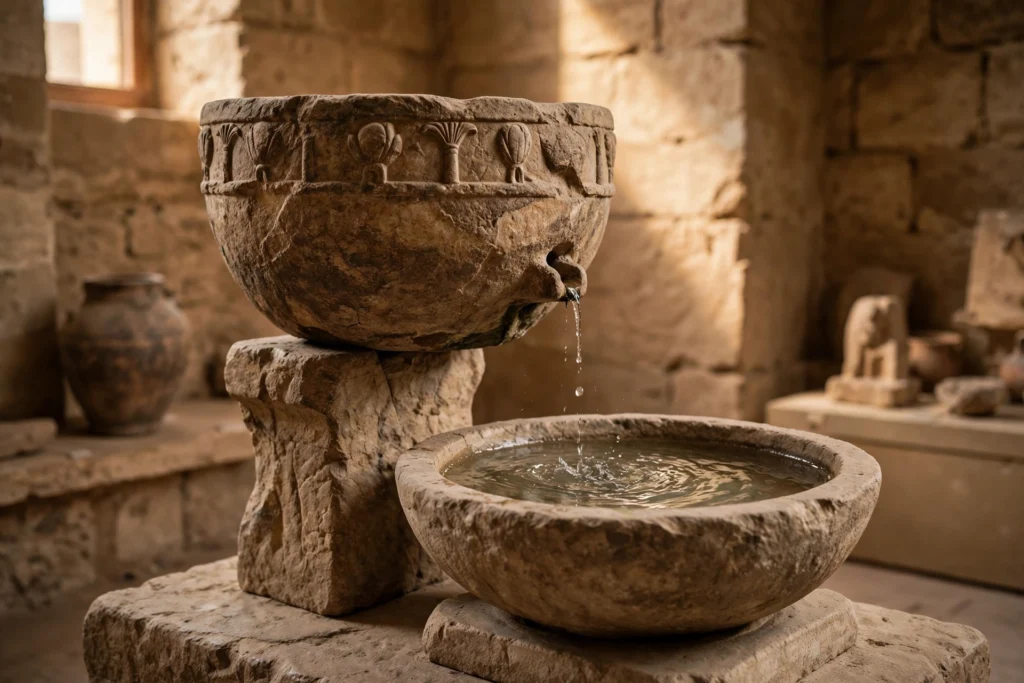
What do you do when the Sun goes down? You cannot use a shadow in the dark. You need a new tool. One of the best early answers was water. A water clock measures time by the slow flow of water. Water drips or flows from one container into another at a steady rate. As the water level rises or falls, it shows how much time has passed. It is simple, but it is clever.
Water clocks were used in Egypt, in Greece, in China, and in many other lands. The Egyptians used a stone bowl with a small hole near the bottom. Water flowed out slowly. Marks on the inside of the bowl showed the hours as the water level fell. In Greece, water clocks were used in law courts. A speaker had to finish speaking before the water ran out. That was a fair way to give each person the same amount of time. In China, water clocks became very large and clever. Some had many tanks and wheels. They were used by rulers and by people who watched the stars.
Water clocks had a big advantage. They worked at night, on cloudy days, and inside a house or a temple. But they also had problems. Water flows faster when it is warm and slower when it is cold. It can freeze in winter, and the hole can get blocked by dirt. People tried to fix this with better holes and many tanks to keep the flow steady, but a water clock was never as exact as a modern clock. Even so, water clocks were a huge step forward. They showed that time could be measured even without the Sun, day and night. For hundreds of years, they were the best clocks in the world, used by priests, kings, judges, and astronomers, people who study the stars.
Candle Clocks, Oil Lamps, and Incense
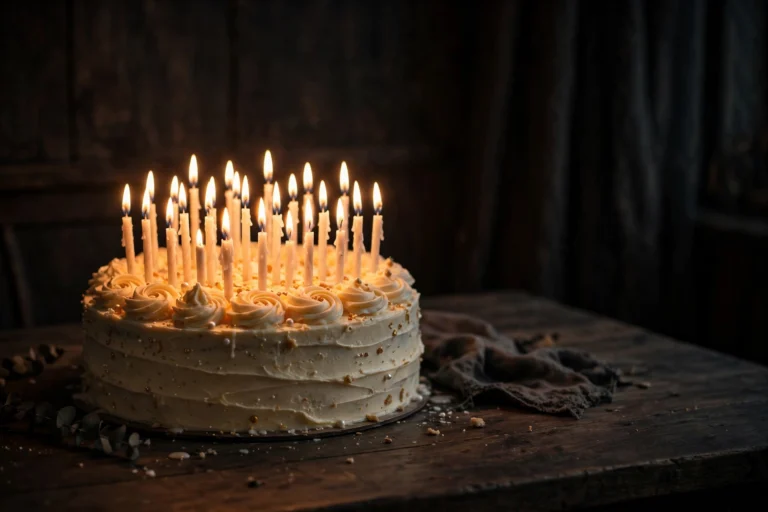
Not everyone could afford a large water clock. Many people used something much simpler: a candle. A candle clock is a candle with marks on its side. As the candle burns down, the flame passes each mark. Each mark means that a certain amount of time has passed. If a candle burns one mark every hour, then you can tell the time by looking at how far it has burned. It is not exact, but it works at night, and it gives light too.
Candle clocks were used in China, in Japan, in England, and in other parts of Europe. In China, people also used incense clocks. Incense is a stick that burns slowly and gives off a sweet smell. People made incense sticks of the same length, so they would burn for the same time. Some incense clocks were very clever. They had a long, winding path of incense powder. The fire moved slowly along the path. Small bells or weights would fall at set points along the path, making a sound to mark the hour. This was useful in temples, where monks needed to wake up and pray at set times during the night.
Oil lamps worked in a similar way, by how much oil was left, but wind could make the flame burn faster, so they were not very exact. These fire clocks had clear limits. A candle can blow out, and a flame must be watched, or it could cause a fire. But they were cheap and easy to make, and they show how people used what they had. They turned light itself into a clock.
The Hourglass: Sand That Tells Time
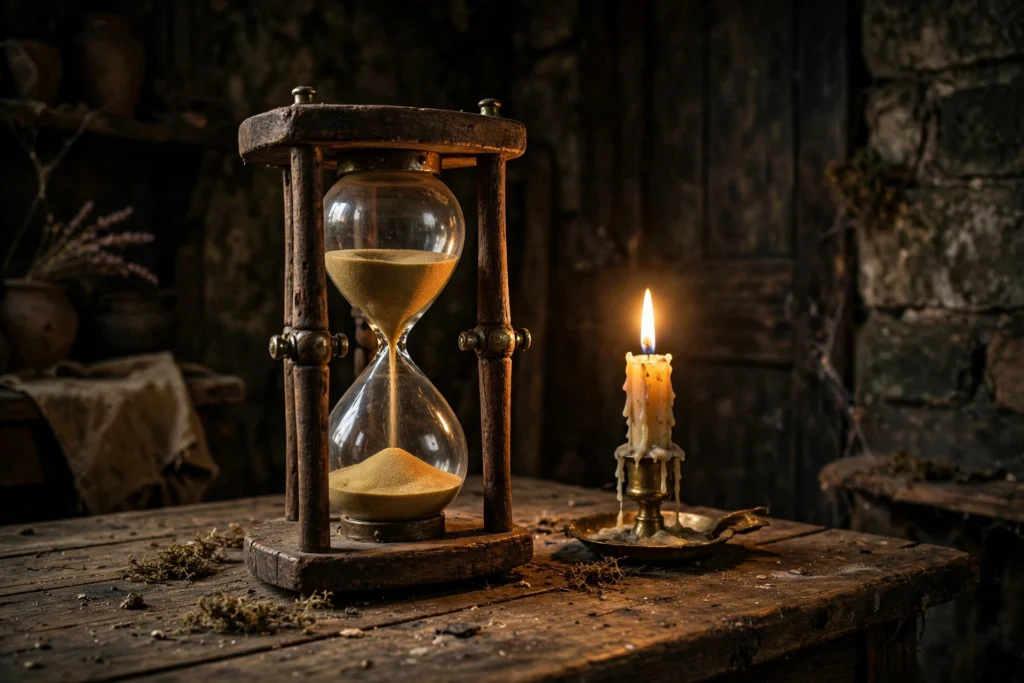
The hourglass is a tool that almost everyone knows. It has two glass bulbs joined by a narrow neck. Sand sits in the top bulb. It flows slowly through the neck into the bottom bulb. When all the sand has fallen, a set amount of time has passed. Then you turn the hourglass over and start again. An hourglass is simple, cheap, and easy to carry. It does not need the Sun. It does not need water. It does not need fire.
Historians are not fully sure when the first hourglass was made. Some think it was used in Europe in the later Middle Ages, about seven hundred years ago. Others think it may have been used earlier in other lands. The exact date is debated, so we should be careful not to state one date as certain fact. What we do know is that by the 1300s and 1400s, hourglasses were common in Europe. Sailors used them on ships to measure time at sea. They used them to measure how fast the ship was moving and how long a watch, a period of work on a ship, would last. Monks used them to time prayers. Cooks used them to time food. Teachers used them to time lessons.
An hourglass had to be made with care. The sand had to be fine and dry. It had to flow at a steady speed. If the sand was wet, it would stick. If the glass neck was too wide, the sand would fall too fast. If it was too narrow, it would fall too slow. Good hourglasses were filled with fine sand made from crushed stone or marble. They were sealed so that no air could get in and change the flow. Even then, an hourglass was only good for short times. Most measured one hour, or half an hour, or a few minutes. They could not tell you the time of day by themselves. They could only tell you how much time had passed since you turned them over. You still needed to know when you started.
But hourglasses were very useful in churches, in schools, in kitchens, and on ships. Even today, we still use the hourglass shape as a symbol for time, on phones and computers, when we wait for something to load.
The Moon and the Stars at Night
At night, the Sun is gone and a sundial is useless. So people looked up. The Moon was the next big clock in the sky. The Moon changes shape in a regular pattern. It starts as a thin crescent, grows to a full Moon, then shrinks back. One full cycle takes about 29.5 days. That is close to one month. In fact, the word month comes from the word Moon. People used the Moon to count days and to plan festivals. They knew that a full Moon would give light at night, which helped travellers and workers. They also knew that the Moon rises later each night, by about 50 minutes, so they could guess the time by where the Moon was in the sky. It was not exact, but it helped.
The stars were even more useful for telling the time at night. The stars move across the sky in a slow, steady way as the Earth turns. If you learn which stars are in which part of the sky at different times of night, you can tell the time by looking up. Sailors and shepherds were very good at this. They knew the stars by name. They knew when certain stars rose and set. In Egypt, the star Sirius was very important. Its return to the morning sky told people that the Nile River would soon flood. That flood brought water and rich soil for farming. So the star was like a calendar in the sky.
In many lands, people built stone markers to watch the Sun and the stars. Stonehenge in England is one famous example, a circle of large stones that line up with the Sun on the longest and shortest days of the year. People who built it, more than four thousand years ago, used it to mark the seasons. Other stone circles and temples did the same job. They were not clocks for the hour. They were clocks for the year.
Learning the stars took time and practice, and it needed clear skies and a good memory. On a cloudy night, the stars were hidden, just as the Sun was hidden on a cloudy day.
Bells, Town Criers, and Shared Time
In towns, people needed a shared time. A farmer could use the Sun alone, but a town needed everyone to start work, pray, and meet at the same time. Church bells gave that shared time. In the Middle Ages in Europe, monks rang bells to call people to prayer at set times during the day and night. The bells could be heard all over the town. People learned the pattern. One bell meant morning prayer. Another meant midday. Another meant evening. Even if you had no clock at home, you knew the time by the bells.
Town criers also helped. A town crier was a person who walked through the streets and called out news and the time. At night, a watchman would call out the hour as he walked his round. These sounds were not exact, but they were shared. Everyone in the town heard the same bell at the same moment, so everyone had the same time. That shared time helped markets open on time and workers start together.
The First Mechanical Clocks
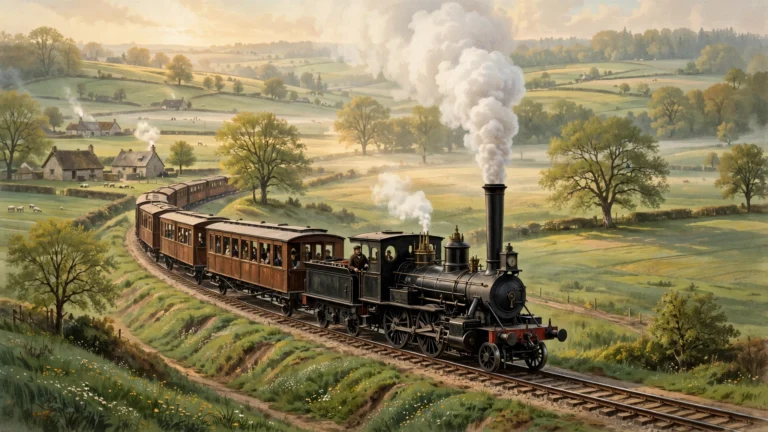
The biggest change came with the first mechanical clocks. These clocks used weights and gears, not the Sun, water, or sand. A weight pulled down slowly, and gears turned at a steady speed. This movement made hands move around a face, or made a bell ring each hour. The first large mechanical clocks appeared in Europe in the later Middle Ages, in the 1300s. Historians debate the exact first clock, and different towns claim early clocks, so no single date should be stated as certain fact. What is clear is that by the 1300s and 1400s, large clocks were built on church towers and town halls in many European towns.
These early clocks were large and costly, and they belonged to the town, not to homes. They rang the hours so that everyone could hear them. At first, many had no hands and no face. They only rang a bell. Later, they gained a face with hands, so people could see the time as well as hear it. They were not very exact by modern standards, and they had to be checked against a sundial, but they worked day and night, in sun and in rain, and they gave the same time to the whole town. Over time, clocks became smaller and better. In the 1600s, the pendulum clock made clocks much more exact. In the 1700s and 1800s, clocks came into homes, shops, and schools. Watches became small enough to carry in a pocket and then on a wrist. Today, atomic clocks, which use the tiny movements inside atoms, are so exact that they would take millions of years to lose one second. But all of this began with a shadow on the ground.
What This Long Story Teaches Us
Before clocks, telling time was a team effort between people and nature. People watched the sky, used water and sand, listened for bells, and learned from their parents. No single tool was perfect, but together they worked well enough for farming, for prayer, for travel, and for town life. Each new tool fixed a problem in the old one. The sundial worked in the day, so the water clock helped at night. The hourglass only timed short periods, so the mechanical clock gave the time of day, day and night. Next time you check your phone for the time, think of a farmer watching the Sun rise, a monk listening for a bell, and a sailor turning an hourglass. Your clock is quick and exact, but it stands on thousands of years of watching, trying, and learning.
Frequently Asked Questions
How did people wake up on time before alarm clocks?
They used the Sun, church bells, and other people. Roosters crowed at dawn, bells rang for morning prayer, and family members woke each other. Some people used a candle with a nail in it, so the nail would fall and make a noise when the candle burned down to that point. It was not exact, but it worked for most daily life.
What was the first clock ever made?
There was no single first clock. People first used the Sun and shadows, then sundials, then water clocks. Each was a first step in a different place. The first mechanical clocks came much later, in Europe in the later Middle Ages. Historians debate which town had the very first one, so it is best to say the change happened over time, not in one day.
Why did sundials not work at night?
A sundial needs sunlight to make a shadow. At night there is no Sun, so there is no shadow to read. That is why people used water clocks, candle clocks, and the stars at night. Each tool covered the weakness of another tool, and together they covered the whole day.
Did all people in the past use the same time?
No. Long before time zones, each town had its own local time based on its own Sun. A town to the east would see the Sun a little earlier than a town to the west. That was normal then. Shared time zones came much later, when trains and fast travel made one shared time useful. You can read how our calendar grew in a similar step-by-step way in Why Do We Have 12 Months in a Year? and Why Do We Have Seven Days in a Week?.
How did people know the date before printed calendars?
They watched the Moon and the Sun. The Moon gave them months, and the Sun gave them seasons and years. They marked festivals, planting times, and harvest times by these sky cycles. Later, written calendars made this easier, but the sky was the first calendar. Leap years were later added to keep the calendar in step with the Sun, as explained in Why Do We Add an Extra Day in February? Leap Years Explained Simply.
Are sundials still used today?
Yes, but mostly for fun, for learning, and for decoration. You can still find sundials in gardens, in school yards, and on old church walls. People use them to learn how shadows move and to check a clock against the Sun. They are not used for exact time now, because modern clocks are far more exact and work in all weather.