How Does a Vending Machine Give You Change? Explained Simply
SUMMARY OF THIS ARTICLE
- A vending machine gives you change because it keeps your extra money, works out the price, and pays back the rest in coins.
- Inside the machine, small tubes hold coins in neat rows, ready to drop out when you need change.
- The machine checks each coin and note first, so it knows if your money is real and how much it is worth.
- If the machine runs out of the right coins, it will often ask for exact change instead.
- Newer machines can also take cards and phones, and then there is no coin change at all.
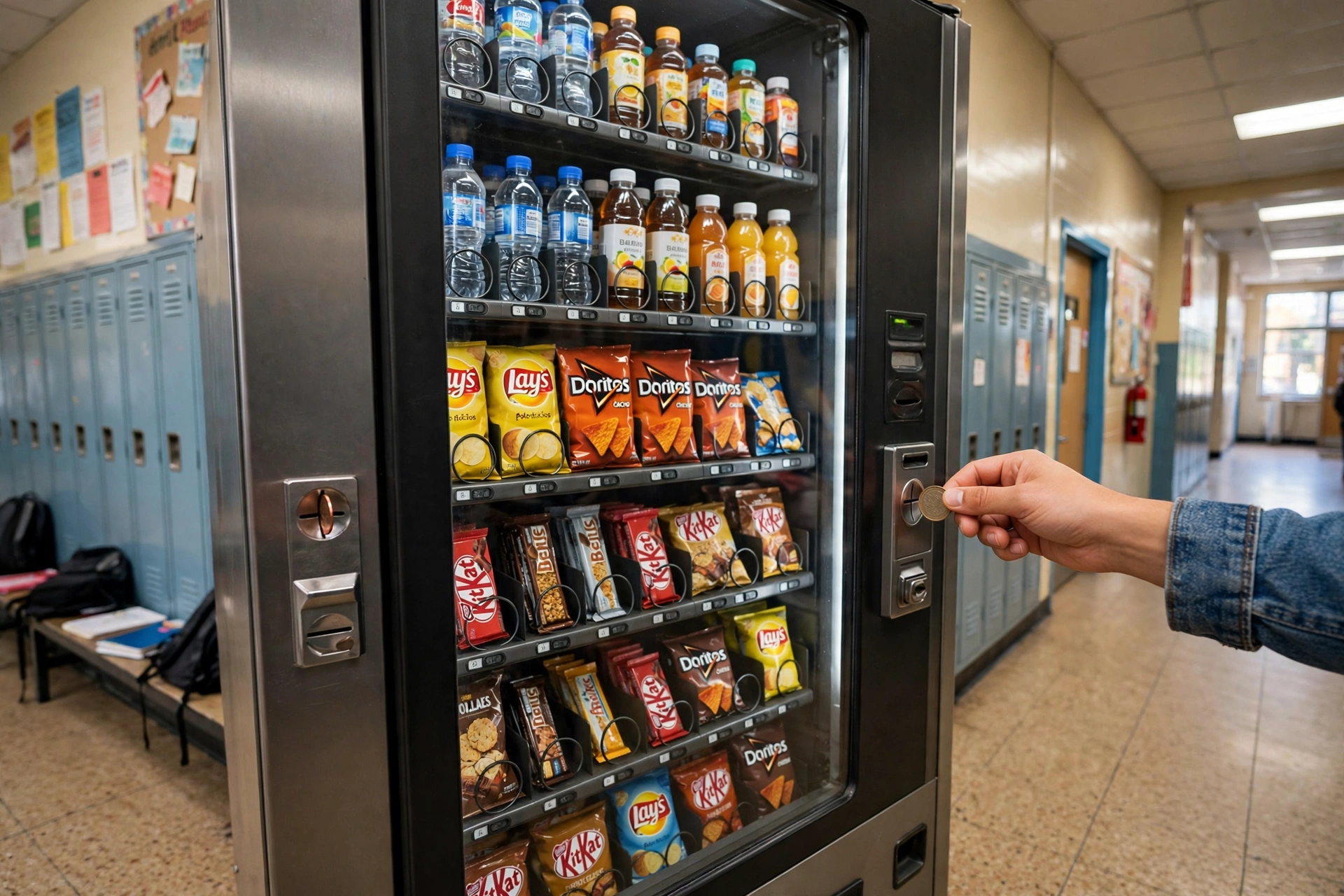
You have probably done this a hundred times. You are thirsty after school, or hungry on a long train ride, and there it is — a big glowing box full of snacks and cold drinks. You press a button for a packet of crisps. It costs, say, 3 dollars. You only have a 5 dollar note. You slide it in, hold your breath a little, and out comes your crisps. Then you hear that lovely clink, clink, clink in the tray below. Two dollars in coins. Magic? Not quite. It is a clever little bit of maths and a few moving parts, all working together in a few seconds.
Think of it like this. A vending machine is a tiny shop with no shopkeeper inside. It has to do all the jobs a shopkeeper does. It has to take your money, check that it is real, remember the price, work out the change, and hand the right coins back to you. And it has to do all of that without hands, without eyes, and without ever getting tired. Once you see how it does each small job, it stops feeling like magic and starts feeling pretty smart.
Let us walk through it together, step by step, just like the machine does.
The first job is taking your money in. Most machines have two places for this. One is a thin slot for coins. The other is a wider slot for notes, the paper money. When you push a coin in, it does not just fall straight down into a big box. It rolls down a little track, a bit like a tiny slide at a playground. As it rolls, the machine is already checking it. It is asking, in its own way, is this coin real? How big is it? How heavy is it? Is it a 1 dollar coin, or a 25 cent coin, or something else?
That check matters a lot. If anyone could put in a fake coin, or a coin from another country, or even a small metal disc, the machine would lose money fast. So the machine is picky. It looks at the size of the coin as it rolls past. It feels the weight. Some machines even give the coin a tiny electric test, because real coins are made of certain metals and fake ones often are not. If the coin fails the test, the machine spits it straight back out. You have probably seen that happen. You put in a coin, it comes right back, and you try again. Annoying, yes, but that is the machine doing its job.
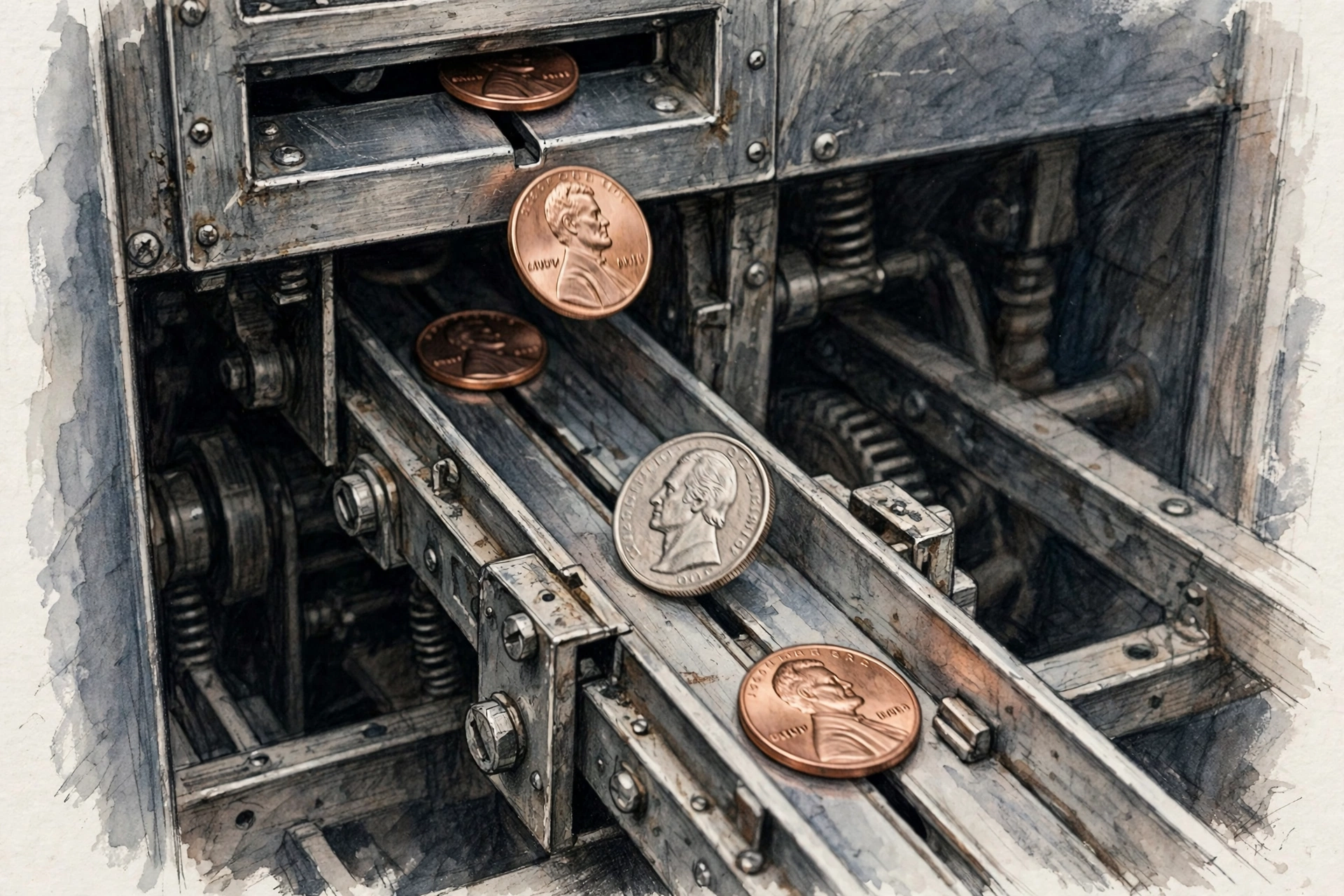
Notes work in a different way, and it is even cleverer. When you slide a paper note into the slot, little wheels pull it in, smooth and slow. A small light shines on the note and reads it. Yes, reads it. The machine looks at the picture, the size, the marks on the note, and the special ink that is hard to copy. It checks all of that in less than a second. If the note looks wrong, or torn, or too crumpled, the machine pushes it back out. If it looks right, the machine keeps it in a safe box inside and adds that amount to your total.
You can watch this total on the little screen. You put in 5 dollars. The screen says 5 dollars. You press the button for crisps that cost 3 dollars. Now the machine does its main bit of maths. Five minus three is two. That two dollars is your change. Simple for us, but the machine has to do it with coins, not with numbers on paper.
So where does the change actually come from? It does not come from your note, of course. Your 5 dollar note stays in the machine. The change comes from coins that were already inside the machine before you arrived. This is the part most people never see, and it is the heart of the whole thing.
Inside a vending machine there are tall, clear tubes. Think of them like the tubes you might see in a toy, or like stacks of coins standing on top of each other. Each tube holds only one type of coin. One tube is full of 25 cent coins. Another is full of 1 dollar coins. Another might hold 10 cent coins. The coins sit in neat rows, one on top of the other, waiting.
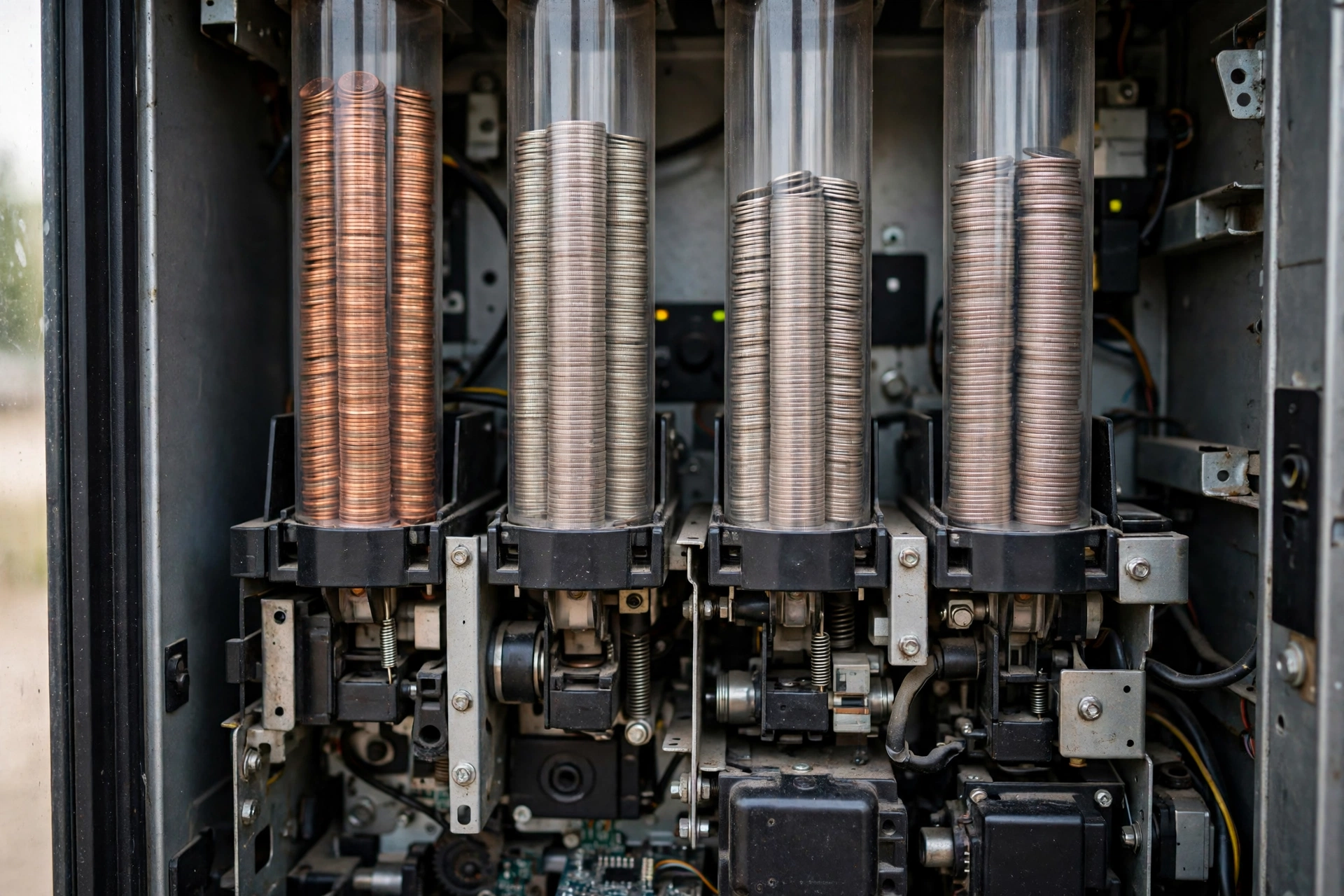
When you are owed 2 dollars, the machine looks at its tubes and picks the best way to make 2 dollars. It might give you two 1 dollar coins. Or it might give you one 1 dollar coin and four 25 cent coins. The machine has a little brain, a small computer, that decides this. It tries to give you the fewest coins it can, but it also tries not to empty one tube too fast. If it gave everyone four quarters, the quarter tube would run out in no time.
Then a small motor turns, just a tiny bit, and lets the right coins fall out of the bottom of the tube. They drop down a chute, which is just a small slide, and land in the tray where you pick them up. Clink, clink. That is the sound of the machine paying you back.
Now, what if the machine does not have the right coins? Say you are owed 2 dollars, but the 1 dollar tube is empty. The machine cannot make a 1 dollar coin appear from nowhere. In that case, one of two things happens. Some machines will still try to make your change with smaller coins, like eight 25 cent coins. That works, but it takes longer and uses up a lot of small coins. Other machines will stop you before you even pay. You have probably seen the words “Exact change only” lit up on the front. That is the machine telling you, sorry, I am low on coins today, please pay with the exact amount.
That little sign is a clue to how the whole system works. The machine is not being rude. It is just being honest. It knows how many coins are left in each tube, and it knows it cannot give change it does not have.
Someone has to keep those tubes full, of course. That person is often called the operator, which is just a fancy word for the person who owns the machine or looks after it. Every few days, or every week, that person opens the machine with a key. They take out the notes and the extra coins that people have put in, and they fill up the change tubes again. It is a bit like filling up a piggy bank in reverse. They put coins in so the machine can give coins out.
This is also why the machine keeps your note and your extra coins. When you pay 5 dollars for a 3 dollar snack, the machine keeps the whole 5 dollars. It gives you 2 dollars back from its own coin tubes. Later, the operator comes and collects the 5 dollar notes and any extra coins. Then they refill the tubes, and the machine is ready for the next person. It is a circle. Money goes in, snacks go out, change goes out, and the operator tops it all up again.
You might wonder, what happens if the machine makes a mistake? It does happen sometimes. Maybe it gives you too much change. Maybe it gives you too little. Maybe it keeps your money and gives you nothing at all. That is rare, but it can happen when a coin gets stuck, or when a tube is jammed, or when the machine is old and tired.
If a coin gets stuck in the track, the machine might think you paid less than you did. If a tube is jammed, the coins cannot fall out. That is why you sometimes have to shake the machine a little — although you really should not shake it hard — or press the coin return button. That button is a lifesaver. It tells the machine, give me my money back, I changed my mind, or something went wrong. The machine then sends your coins back down a different path, straight to the tray.
Older machines were much simpler, and also much easier to trick. Long ago, some vending machines only checked the size and weight of a coin. People found out they could use washers, which are small metal rings used in building work, that were the same size as coins. The machine would think it was a real coin and give out a snack. That is cheating, of course, and it is also why modern machines are so much smarter. They check the metal, the shape, the weight, and even how the coin moves. It is a lot harder to fool them now.
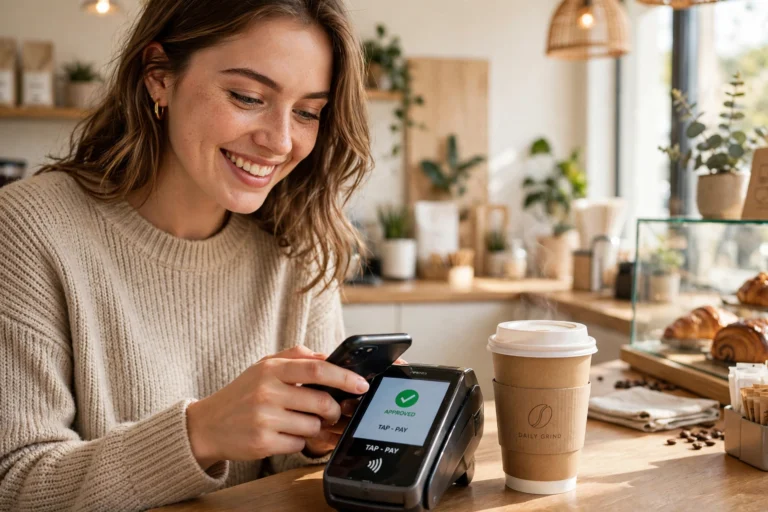
Newer machines have another trick. Many of them do not need coins at all. You tap your card, or your phone, and the machine takes the exact price from your bank. If the crisps cost 3 dollars, it takes 3 dollars. No change needed. No coins to count. No tubes to fill. This is fast and easy, and it is why you see more and more machines with a small screen that says “Tap to pay.”
But even those machines often still take cash, because not everyone has a card. And in some places, like schools or small offices, coins are still the main way people pay. So the old coin tubes are still there, working away behind the front panel.
Let us look at a real example, nice and slow, so you can picture it. You walk up to a machine at a bus station. You want a bottle of water. The price is 1 dollar and 50 cents. You have a 5 dollar note and nothing smaller. You slide the note in. The machine reads it, checks it, and keeps it. The screen shows 5 dollars. You press the button for water. The machine works out 5 dollars minus 1 dollar 50 cents. That leaves 3 dollars and 50 cents. Now it has to find 3 dollars and 50 cents in coins.
It might give you three 1 dollar coins and two 25 cent coins. That adds up to 3 dollars and 50 cents. The motor turns, the coins fall, and you hear them land. You take your water and your change, and you walk away. The whole thing took about ten seconds. Ten seconds for checking, maths, picking coins, and dropping them. Not bad for a box with no shopkeeper.
What if you paid with coins instead? Say you put in six 1 dollar coins for that same bottle of water. That is 6 dollars. The machine would owe you 4 dollars and 50 cents. It would work it out the same way, and it would pay you back from its tubes. The only difference is that your coins would roll down into the machine and join the other coins inside. Some of your coins might even go straight into the change tubes, ready to be given to the next person. In a way, you helped fill the machine for someone else.
This is also why machines sometimes give you coins that look old and worn. Those coins have been round and round, from person to machine to person again, many times. A coin can live in a vending machine for a long time before it is collected by the operator.
There is one more thing the machine keeps track of, and it is easy to miss. It remembers how much money is inside it. It counts every coin that goes in and every coin that goes out. When the operator opens it, they can see the numbers. That helps them know if the machine is working well, or if someone tried to cheat it, or if it needs more coins in a certain tube. It is like a little notebook that the machine keeps for itself.
You have probably noticed that some machines are better at giving change than others. A machine in a busy place, like an airport, is filled up often, so it almost always has change. A machine in a quiet place, like a small office building, might run low because the operator does not visit as often. That is why you sometimes get that “exact change” message in quiet places, and almost never in busy ones.
It is also why the operator has to plan ahead. If a machine sells a lot of snacks that cost 1 dollar and 75 cents, a lot of people will need 25 cent coins back. The operator will fill the 25 cent tube extra full. If the machine sells drinks that cost 2 dollars, and most people pay with 5 dollar notes, the operator will need a lot of 1 dollar coins. It is a small bit of planning, every time.
Think about the shopkeeper again. A shopkeeper keeps coins in a drawer, sorted into little piles. One pile for small coins, one pile for big coins. When you pay, the shopkeeper picks from the piles and hands you the change. A vending machine does the exact same thing, only its drawer is a set of tubes, and its hand is a small motor. The idea is the same. The tools are just different.
So next time you hear that clink in the tray, you will know what happened. Your note was checked and kept. The price was taken off. The machine looked in its tubes, picked the right coins, and dropped them down to you. No magic. Just a smart little shop that counts, checks, and pays you back, one coin at a time.
And if the machine ever eats your money, do not panic. Look for a phone number or a small sticker on the side. Most machines have one. The operator can often give your money back, or at least tell you what went wrong. Machines are clever, but they are not perfect. They still need a human to look after them, fill them up, and fix them when they get stuck.
That is the whole story, really. A vending machine gives you change because it is built to be its own cashier. It checks your money, keeps what you paid, and pays you back from coins it saved up earlier. Once you know about the tubes and the little computer inside, the clink, clink, clink in the tray makes a lot more sense. It is the sound of a small, quiet bit of maths, done right in front of you.
Here is a small story that makes it all click. Picture a boy named Sam, waiting for his bus after football practice. He is hot, tired, and very thirsty. He has a 10 dollar note from his mum, and the drink he wants costs 2 dollars. He slides the note in, and for one second he worries. Will it eat my money? Will it give me the wrong change? Then the bottle drops, and the coins follow — eight dollars in coins, clinking into the tray. He counts them fast in his head, smiles, and buys a small snack with some of it too. That is the machine doing its job, and Sam never had to talk to anyone.
Now think about the quiet hours, when nobody is buying anything. At night, the machine just waits. Its lights stay on, its little computer stays awake, and its tubes stay full. It does not sleep. In the morning, the first person to buy a drink gets the same fast service as the last person the night before. That is the strange thing about these machines. They never get bored. They never get rude. They never forget how to count.
You might also wonder why some machines feel faster than others. A new machine with a good coin system can check and pay you in a few seconds. An old machine with a sticky tube might take a little longer, and the coins might come out one by one, slowly, like it is thinking hard. Both are doing the same job. One is just a bit more tired.
There is a funny side to all this too. People have tried some wild tricks over the years. Some tried to use coins covered in string, hoping to pull the coin back out after the machine gave them a snack. Some tried to use coins from other countries that looked close enough. The machines learned, in a way. The makers kept making the checks smarter, and the tricks stopped working. Today, the best trick is not a trick at all. It is just to pay with the closest amount you have, so the machine has an easy job and you get your change fast.
One last thing worth knowing. The change tray is not the only place coins can hide. Some machines have a small return slot on the side, and some have a little cup that pops out. If you do not hear the clink, have a quick look. Your coins might be sitting there, waiting, while you walk away. It happens more often than you think, especially when you are in a rush.
So the next time you stand in front of that glowing box, you will see it differently. It is not just a box full of snacks. It is a shopkeeper made of tubes, motors, lights, and maths. It checks your money, keeps the price, and hands back the rest. And it does it all in the time it takes you to blink twice.
Frequently Asked Questions
Why does a vending machine sometimes say exact change only?
It says this when it is running low on coins in its change tubes. The machine knows it cannot give you the right change, so it asks you to pay with the exact amount. This often happens in quiet places where the operator does not refill the machine very often. Once the operator fills the tubes again, the message goes away.
Can a vending machine tell if a coin is fake?
Yes, most modern machines can. They check the size, the weight, and the metal the coin is made from. Some also test how the coin moves and how it reacts to a small electric check. If a coin fails any of these tests, the machine sends it straight back out. Older machines were easier to trick, but newer ones are much harder to fool.
Where does the change come from if I pay with a note?
The change comes from coins that were already inside the machine, stored in tall tubes. Your note stays inside the machine in a safe box. The machine works out how much change you are owed, picks the right coins from the tubes, and drops them into the tray. Later, the operator collects the notes and refills the tubes.
What should I do if a vending machine takes my money and gives me nothing?
First, press the coin return button and wait a few seconds. Sometimes the machine will give your money back. If that does not work, look for a phone number or contact sticker on the machine. Take a photo of the machine and the number on it if you can. The operator can often check the machine and give your money back.
Do card payments need change?
No, they do not. When you tap a card or a phone, the machine takes only the exact price from your bank. If a snack costs 3 dollars, it takes 3 dollars. There are no coins to count and no change to give back. This is one reason many new machines offer card payments alongside cash.
Why do I sometimes get a lot of small coins as change?
This can happen when the machine is low on big coins. If it has no 1 dollar coins left, it has to make your change with smaller coins instead, like 25 cent coins. It might give you eight small coins instead of two big ones. The total amount is still right, it just comes in smaller pieces.