How Does a Zoo Make Money? Explained Simply
SUMMARY OF THIS ARTICLE
- A zoo makes money in several ways at once: tickets and annual memberships bring in the biggest share, often 30 to 60 percent of everything the zoo earns.
- Gift shops, cafes, birthday parties, night tours and special events add a second stream of money, because a family that has already paid to enter often spends more once they are inside.
- Donations, animal sponsorships, grants and some help from local government fill the gaps, and many zoos are non-profit, which means every spare dollar goes back into the animals and the park.
- Most of the money goes straight back out again: food and vets for the animals come first, then the keepers who look after them, then keeping the enclosures safe, clean and warm.
- Zoos do not buy and sell animals like shops buy and sell toys: they trade animals with each other, and no money changes hands, because the goal is healthy animal families, not a sale.
The Ticket That Started It All
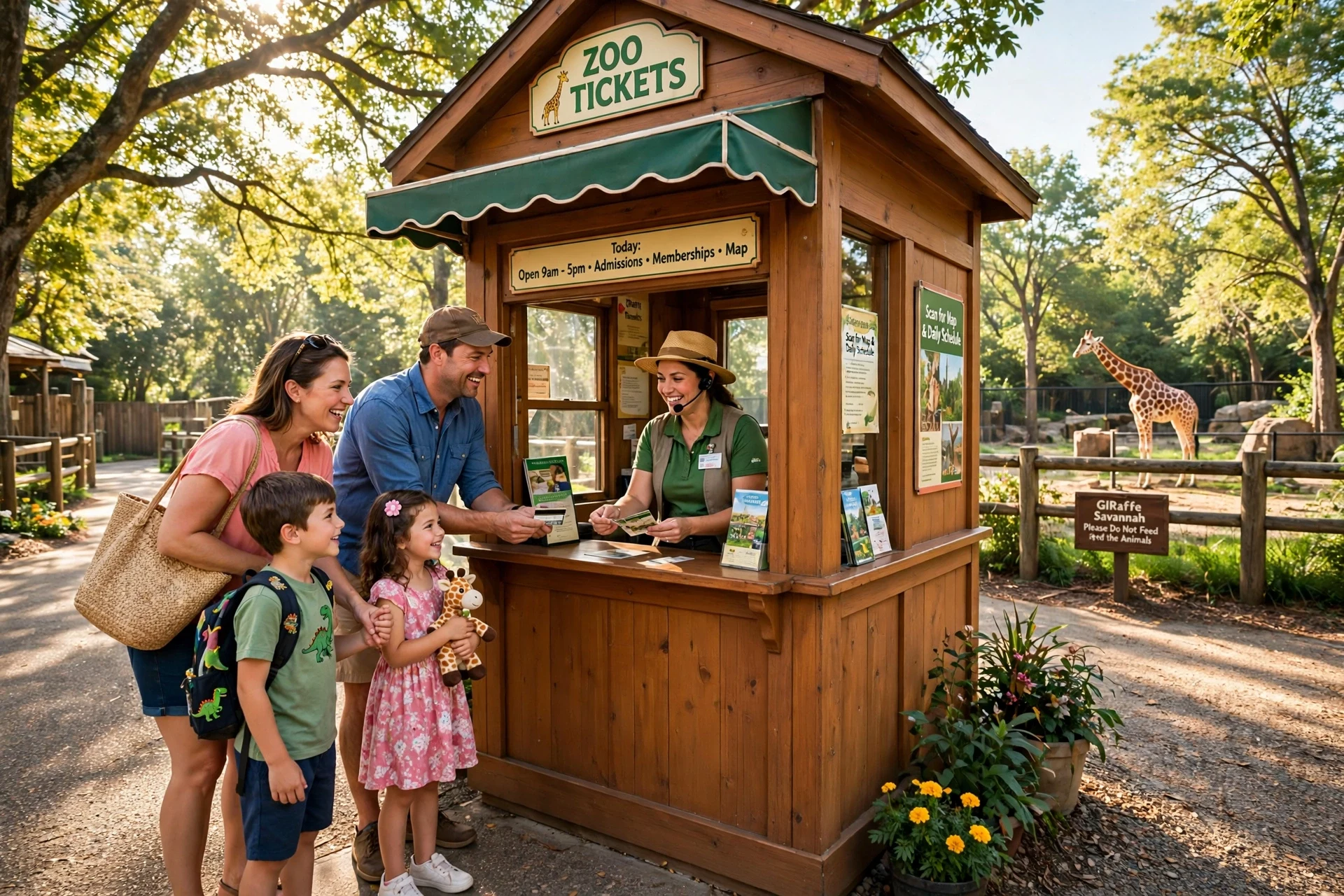
It was a bright Saturday morning, and nine-year-old Maya was standing at the gate of the city zoo with her dad, holding a paper ticket in one hand and a small map in the other. The ticket had cost fifteen dollars. Maya looked at it, then looked at the long line of families behind them, and a question popped into her head.
“Dad,” she said, “if everyone here paid fifteen dollars, the zoo must be rich. Where does all that money go?”
Her dad laughed, but he did not have a good answer. “To the animals, I suppose,” he said. “And to the people who work here.”
On the bus home, she asked her dad a better question.
“Is a zoo a business, like a shop? Or is it something else?”
That is a very good question, and the answer is a little bit of both. A zoo does take money from visitors, just like a shop does. But a zoo is not trying to make its owners rich. Most zoos are non-profit, which means any money left over at the end of the year is not handed out to shareholders. It is put straight back into the zoo. The animals eat first, and the money follows them.
So how does a zoo make money? It does not have one single answer. It has five or six answers, all working at the same time, like the legs of a table. Take one leg away and the table still stands, but it wobbles. Let us look at each leg in turn, starting with the one you already know: the ticket.
Tickets and Memberships: The Biggest Slice
The ticket at the gate is the most obvious way a zoo makes money, and it is also the biggest. In many zoos, tickets and annual memberships together bring in 30 to 60 percent of everything the zoo earns. That is a huge slice, and it is the reason the zoo cares so much about the number of visitors who walk through the gate each day.
An adult ticket might cost fifteen or twenty dollars. A child ticket costs less, and very small children often get in free. Some zoos charge a different price on busy weekends than on quiet weekdays. A family of four might pay fifty or sixty dollars just to walk in, and on a sunny Saturday, thousands of families do exactly that. It adds up fast.
But here is the clever part. A zoo would much rather sell you a membership than a single ticket. A membership is a card you buy once a year, and it lets you visit as often as you like. A family membership might cost one hundred and twenty dollars. That sounds like a lot, but if the family visits six times in a year, each visit works out to only twenty dollars. The family saves money, and the zoo gets something even better: money in advance, in January, before the busy summer season even starts. The zoo can plan with that money. It can buy food for the animals and pay the keepers, knowing the money is already in the bank.
Members also visit more often, and every visit is another chance to buy lunch, a drink, or a small gift. A member who comes ten times a year will probably spend far more inside the zoo than a person who comes once. That is why the person at the ticket desk always smiles and asks, “Would you like to turn this into a membership today?” It is not a trick. It is a good deal for both sides.
Gift Shops and Food: The Money You Spend After the Gate
Once you are inside the zoo, the spending does not stop. In fact, for many zoos, this is where the money really starts to flow. A family that has already paid to enter is relaxed, happy, and surrounded by things to buy. The zoo knows this, and it plans for it.
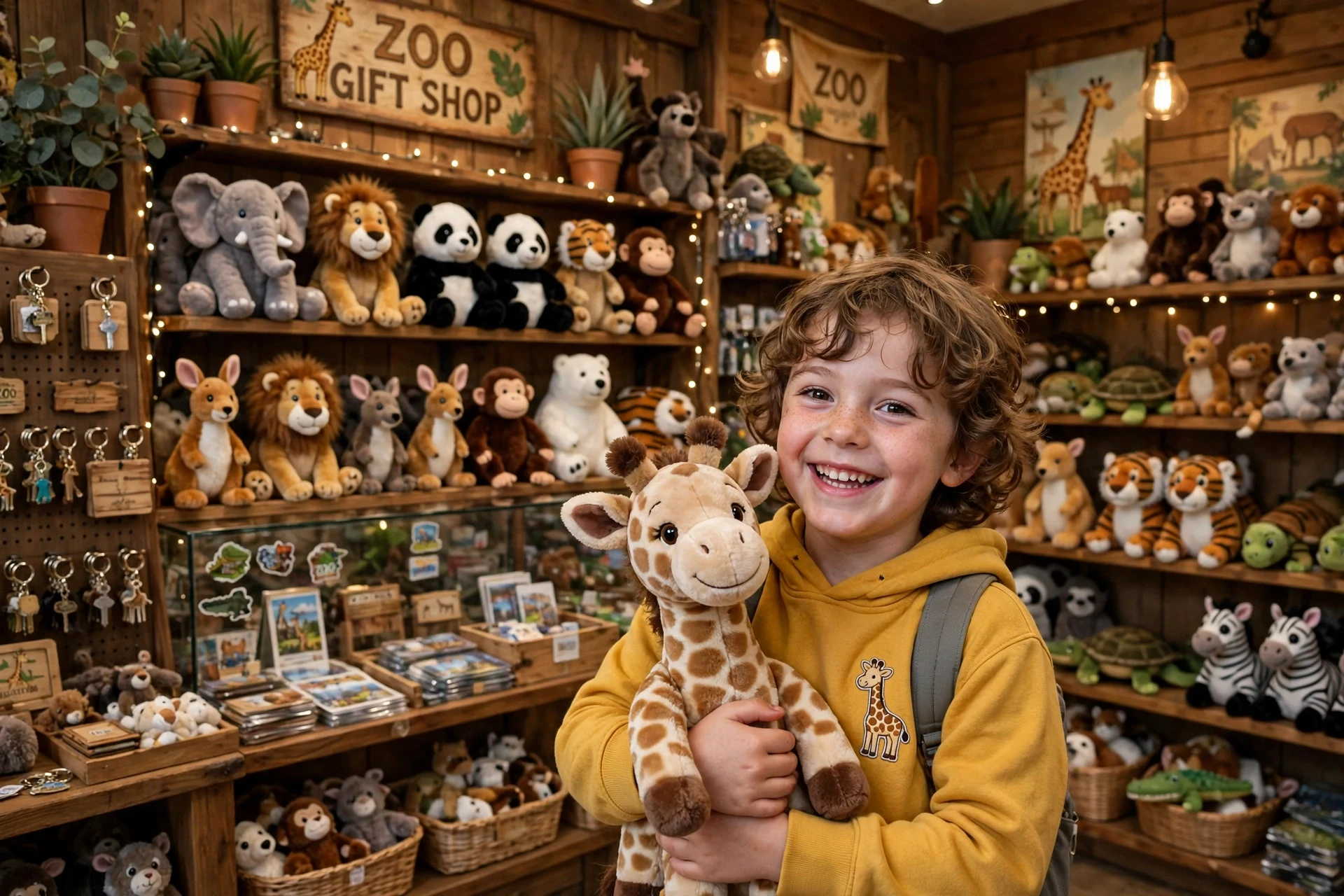
The gift shop is usually placed right near the exit, so you have to walk through it on your way out. That is no accident. After a wonderful day looking at elephants and lions, a child who has been holding back all day will point at a soft toy and ask for it, and a parent who has had a lovely day will often say yes. The shop sells soft toys, books about animals, T-shirts, hats, mugs, and postcards. Some of these things cost very little to make, and the zoo sells them for a good price. That difference is profit, and it helps pay for the animals.
Food works the same way. A zoo has cafes, ice cream stands, and drink machines all over the park, because a family walking around for four hours gets hungry and thirsty.
None of this is a secret, and none of it is unfair. You are not forced to buy anything. The ticket pays for your entry, and everything else is your choice. But zoos are very good at making the choice easy and fun, and the money from shops and food can add up to a large part of what the zoo earns in a year. A guide to how a pizza shop makes money shows the same idea at work in a different place: the food itself is only part of the story, and the rest is about how a business is run.
Birthday Parties and Special Events
A zoo is not just a place to look at animals during the day. After the gates close to normal visitors, the zoo can become a very different place, and that is another way it makes money.
Birthday parties are a big one. Many zoos let you book a party package for a child. The package usually includes tickets for the birthday child and their friends, a party room with decorations, a cake, party food, and sometimes a visit from a keeper holding a friendly animal, like a rabbit or a small lizard. Parents love it, because everything is arranged for them. They pay a few hundred dollars for the party, and the zoo earns money on a day when the children would have come anyway, just with a little extra magic on top.
Donations and Sponsorships: Money Given with Love
Not all of the zoo’s money comes from people buying things. A lot of it is simply given, by people who love animals and want to help.
The simplest kind of gift is the donation box near the exit. You have had a wonderful day, you have a few coins left in your pocket, and you drop them in. One coin means nothing, but thousands of visitors dropping in a few coins each adds up to real money. Many zoos also ask for donations online, where a person can give five dollars a month, every month, to support the zoo. That steady stream of small gifts is very valuable, because the zoo can count on it.
Then there is animal sponsorship, which is one of the zoo’s most popular ideas. For a small amount each year, you can “adopt” an animal. You do not take the animal home, of course. Instead, you get a certificate, a photo, and a few updates about your animal through the year. Children love adopting a red panda or a penguin, and parents love it too, because it teaches a child that caring for an animal costs money. The zoo might have hundreds of sponsors for one popular animal, and each one pays a little.
Big companies help too. A local bank might sponsor the new lion enclosure, and in return its name goes on a sign at the entrance. A bakery might sponsor the meerkats, and a phone company might pay for the zoo’s new app. It is a fair trade: the company gets its name in front of thousands of happy visitors, and the zoo gets money for the animals.
Grants and a Little Help from the Government
The last leg of the table is the money that does not come from visitors at all. It comes from grants and from the government.
A grant is money given for a special reason. A wildlife charity might give a zoo a grant to breed an endangered animal, like a rare frog or a type of monkey that is disappearing in the wild. A science fund might give money to study how elephants talk to each other. The zoo has to apply for the grant and explain exactly what it will do with the money, and if it is chosen, it gets the money to do that job. Grants are not free money for anything. They come with a purpose, and the zoo has to show that it did what it promised.
Some zoos also get help from their local government. A city might own the zoo, or it might pay part of the zoo’s costs, because the zoo brings visitors to the city. Tourists who come to see the zoo also sleep in hotels, eat in restaurants, and shop in the city, so the city benefits from the zoo being there. In some countries, the government pays for part of the zoo’s conservation work, because protecting animals is seen as a job for everyone, not just for the zoo.
This money is smaller than ticket money, but it matters, because it often pays for the most important work: saving animals in the wild, far away from the zoo itself.
A Worked Example: One Zoo, One Ordinary Saturday
Numbers make a zoo’s money much easier to understand, so here is a made-up example with round numbers. This is not a real zoo, and the numbers are invented to show how the pieces fit together, but the pattern is real.
Imagine a medium-sized zoo in a small city. On an ordinary sunny Saturday in summer, one thousand people walk through the gate. Most of them are adults and children in families, and the average ticket works out to about fifteen dollars a person. That is fifteen thousand dollars from tickets alone, just for one day.
Now add the money spent inside. Out of those one thousand visitors, about four hundred buy lunch, a drink, or an ice cream, spending about ten dollars each on average. That is four thousand dollars from food. About two hundred visitors buy something in the gift shop, spending about twelve dollars each. That is two thousand four hundred dollars from the shop. One birthday party is booked for the afternoon, and the family pays three hundred dollars. Put it together, and the zoo has taken in about twenty-one thousand seven hundred dollars in a single day. That sounds like a lot of money.
So a good Saturday might leave the zoo with a few thousand dollars to spare, which goes into a pot for the winter, when fewer visitors come but the animals still eat the same amount. A rainy Saturday, though, might bring only three hundred visitors, and on that day the zoo could easily lose money. That is why zoos love sunny weekends, memberships that pay in advance, and donations that arrive every month. They smooth out the bad days.
Where Does All the Money Go?
This is the part Maya’s dad was right about, even if he did not know the details. The money goes to the animals first, and that is not a slogan. It is the zoo’s biggest bill, and it never stops.
Food is the first cost, and it is larger than most people imagine. An elephant can eat more than one hundred kilograms of food a day, mostly hay, fruit, and vegetables. A lion eats several kilograms of meat. A penguin colony goes through boxes of fish. A zoo has to buy, store, and prepare all of this food every day, seven days a week, 365 days a year, even on Christmas Day, when the zoo is closed to visitors.
Then there is the vet. A zoo has its own animal doctors, and they look after everything from a sick tortoise to a tiger that needs a tooth removed. The zoo needs a small animal hospital, with medicine, X-ray machines, and a place for an animal to rest and recover. A single operation on a large animal can cost thousands of dollars, and the zoo pays it, because the animal’s health comes first.
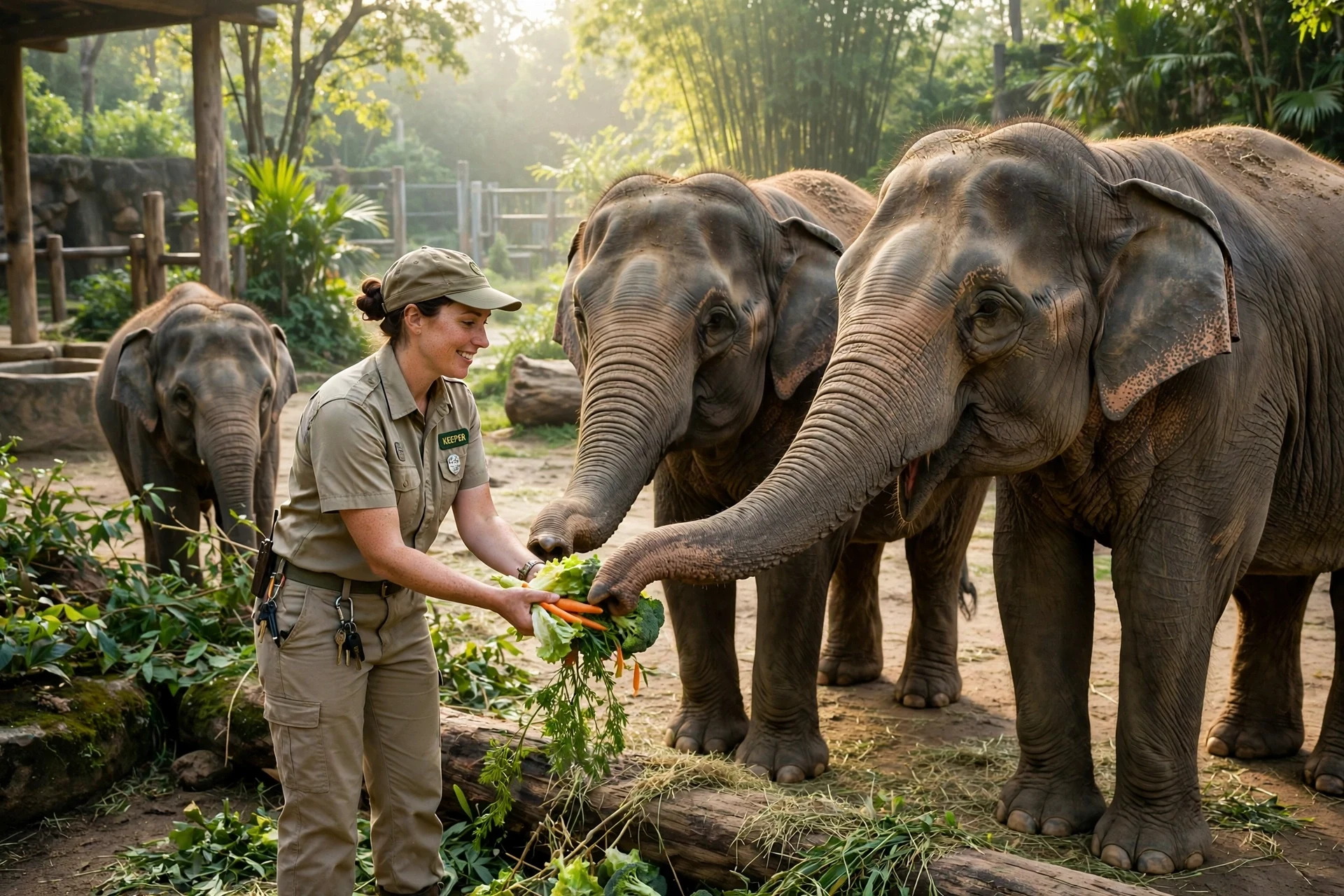
The keepers come next. A keeper is the person who feeds the animals, cleans the enclosures, watches for signs of illness, and helps the animals stay active and happy. A good keeper knows each animal by name and by habit. Keeping a zoo running needs dozens of keepers, and their pay is a big part of the zoo’s costs.
Finally, there is conservation work in the wild. Many zoos spend money on projects far away from their own gates: protecting forests, breeding endangered animals, and helping local people live alongside wildlife. A zoo that helps save a species in the wild is doing the job it was really built for, and that work is paid for by the tickets, the gift shops, and the donations.
The Surprise: Zoos Do Not Buy and Sell Animals
Here is the most surprising thing about how zoos work, and it is something most visitors never hear about. Zoos do not buy and sell animals like shops buy and sell toys. There is no price tag on a giraffe, and you cannot order a tiger from a catalogue.
Instead, zoos trade animals with each other. If a zoo in one city has two male lions and needs a female, and a zoo in another city has a female lion and needs a male, they arrange a swap. The lions travel to their new homes, and no money changes hands. The zoos are not making a sale. They are trying to build healthy animal families, with the right mix of ages and backgrounds, so the animals can have babies and the species can stay strong.
That is also why you will never see a zoo advertising a lion for sale. It would go against everything a modern zoo stands for. The animals are not stock on a shelf. They are the reason the zoo exists, and moving them is about their future, not about a price.
Is a Zoo a Business, or Something Else?
So, back to Maya’s question on the bus home. Is a zoo a business, like a shop? The honest answer is that it is a business with a different heart.
A zoo has to think like a business, because it has bills to pay and staff to look after. It has to attract visitors, sell tickets, run shops and cafes, and keep an eye on its money. If it ignores the business side, it will run out of money, and the animals will suffer. A guide to how a car wash makes money shows the same truth in a much simpler business: every business has to cover its costs before it can do anything else.
But a zoo is not trying to make a profit for owners or shareholders. Most zoos are non-profits, or they are owned by a city or a charity. Any money left over goes back into the zoo. That is the difference between a zoo and a shop. A shop’s goal is to make money for the people who own it. A zoo’s goal is to look after animals, teach people about wildlife, and help save species in the wild. The money is not the goal. The money is the fuel that lets the zoo do its real job.
That is also why zoos are so open about where the money goes. Many zoos put up signs near the entrance showing how much of each ticket goes to animal care, and how much goes to conservation. They want you to know that your fifteen dollars did not disappear. It became hay for the elephants, fish for the penguins, and medicine for a sick tortoise. It became the keeper who watched over the baby giraffe on its first night.
Good Habits When You Visit a Zoo
Knowing how a zoo makes money can change the way you visit one, in small, good ways.
First, if you love a zoo and live nearby, think about a membership. It saves you money, it gives the zoo money it can plan with, and it means you will visit more often, which is good for everyone. Many families find that a membership pays for itself after three or four visits.
Second, if you buy something in the gift shop or the cafe, know that your money is doing a job. A soft toy elephant is not just a souvenir. It is a small donation to the animals, dressed up as a toy. The same goes for a coffee or an ice cream.
Third, look for the donation box, and look for the animal adoption sign. Even a small gift helps, and it teaches children that caring for animals has a real cost, and that ordinary people can help pay it.
Fourth, read the signs. Zoos are full of stories about where the animals came from, what they eat, and what the zoo is doing to help their wild cousins. A zoo visit is a day out, but it is also a classroom with no walls, and the lessons stay with you long after you leave.
Finally, remember that the animals are not there for our entertainment alone. They are there because the zoo is looking after them, and because their wild homes are in trouble. A zoo that earns its money well can do its real work well, and a visitor who understands that is part of the story too.
Frequently Asked Questions
How does a zoo make money?
A zoo makes money from tickets and memberships, which are usually the biggest share, plus gift shops, cafes, birthday parties, special events, donations, sponsorships, grants, and sometimes help from the local government. Many zoos are non-profit, so the money goes back into the animals and the park.
Do zoos make a profit?
Most zoos are non-profit, which means they are not trying to make money for owners or shareholders. Any money left over at the end of the year goes back into the zoo, to pay for animal food, vets, keepers, and new enclosures. Some days a zoo loses money, especially on rainy days, and good days help cover the bad ones.
What do zoos spend the most money on?
The biggest costs are animal food, vets and medicine, and the keepers who look after the animals every day. After that comes keeping the enclosures safe, clean, and warm, and paying for the zoo’s other staff, like the people at the ticket desk and in the offices. Conservation work in the wild is also an important cost.
Do zoos buy and sell animals?
No, zoos do not buy and sell animals like shops buy and sell things. They trade animals with each other, and no money changes hands. Zoos work together through breeding programmes to match animals so they can have healthy babies and keep their species strong. The goal is healthy animal families, not a sale.
How much of a zoo’s money comes from tickets?
In many zoos, tickets and annual memberships together bring in 30 to 60 percent of everything the zoo earns. The rest comes from gift shops, food, parties and events, donations, sponsorships, grants, and sometimes help from the government.
Is it worth buying a zoo membership?
For most families who live nearby, yes. A membership usually pays for itself after three or four visits in a year, and after that every visit is free. It also gives the zoo money in advance, which helps it plan for the year, and members tend to visit more often, which is good for the animals and good for the family.
More from Zorium Daily
- How Does a Restaurant Make Money?
- How Does a Bakery Make Money?
- How Does a Petrol Station Make Money? Explained Simply
- How Does a Food Truck Make Money? Explained Simply
Maya still remembers that Saturday at the zoo, not because of the ticket or the soft toy elephant, but because she learned that every dollar at the gate becomes food, care, and a safer future for the animals.