Why Do We Feel Sleepy After Eating?
SUMMARY OF THIS ARTICLE
- Many people feel sleepy after a meal, and this is often normal.
- Your body works hard to break down food, and this can lower your energy for a short time.
- Big meals, lots of white rice, white bread, or sugary food, and poor sleep the night before can make the sleepy feeling worse.
- A short walk, fresh air, water, and a lighter meal can often help you feel more awake.
- See a doctor if the sleepiness is extreme, happens every day, or comes with other worrying signs.
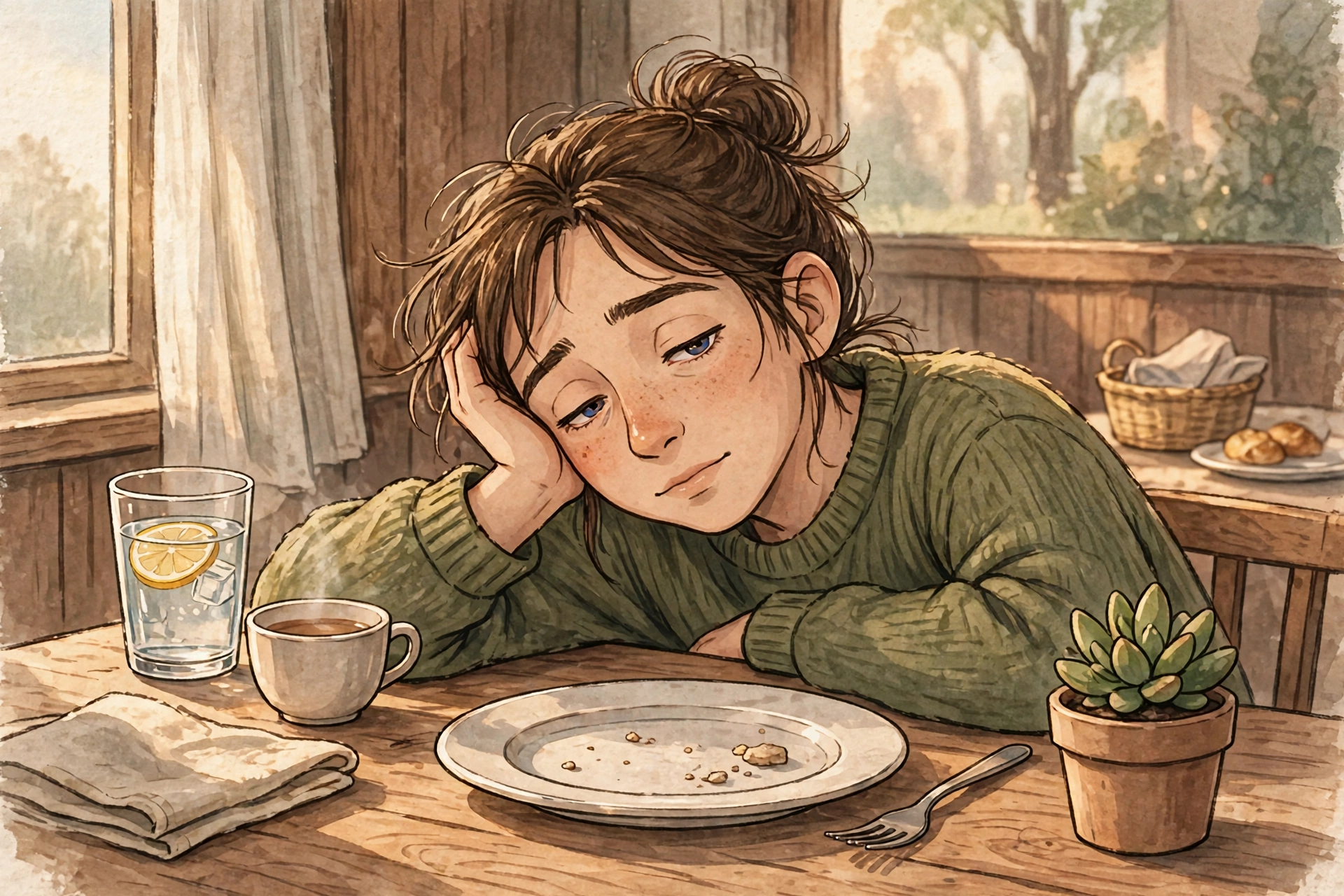
Have you ever eaten lunch and then felt your eyes get heavy? You may want to close your eyes at your desk. You may yawn again and again. You may find it hard to focus on your work. This happens to many people. It happens to students, workers, parents, and older people too. It can feel strange. You just ate, so you may think you should have more energy. But instead, you feel tired. This feeling has a name. Doctors call it postprandial somnolence. That is a big and hard name. Let us break it down in simple words.
Post means after. Prandial means a meal. Somnolence means sleepiness. So postprandial somnolence just means sleepiness after eating. It is not a disease for most people. It is a normal body response. Your body changes after food goes in. Those changes can make you feel slow and sleepy for a short time. In this article, we will look at why this happens. We will also look at what can make it worse. And we will look at simple steps that can help. This is general information only. It is not medical advice. If you are worried about your health, talk to a doctor.
Your body is like a busy team. When you eat, the team gets a new job. It must break down your food. It must take out the good parts. It must send those parts to the places that need them. This job takes energy. Your stomach starts to move and mix the food. Your gut makes juices that help break food down. Your liver and other organs help too. All this work can make you feel tired for a while. Think of it like this. After a big job, a team needs a short rest. Your body is the same.
Food gives you energy, but not at once. First, your body must do the work of digestion. Digestion is the process of breaking food into small parts. Big food parts become small parts. Small parts can move into your blood. Then your blood can carry them to your cells. Cells are the tiny building blocks of your body. They use food parts to make energy. This takes time. So right after a meal, you may not feel a fast boost of energy. You may feel slow first. Later, when the food is fully broken down, you may feel better again.
Blood sugar also plays a part. Blood sugar is the sugar in your blood. Food, mainly food with carbs, raises your blood sugar. Carbs are found in rice, bread, pasta, potatoes, and sweet food. When blood sugar goes up, your body makes a substance called insulin. Insulin helps move sugar from your blood into your cells. This is normal and good. But if you eat a very big meal, or a meal with a lot of sugar and white carbs, your blood sugar can go up fast. Then it can fall fast too. That fast fall can make you feel tired, weak, and sleepy. It can also make you feel hungry again soon. A meal with more balance may help keep your energy more even.
There is another part of the story. Some foods have a building block called tryptophan. Tryptophan is an amino acid. Amino acids are small parts that make up protein. Your body uses tryptophan to make serotonin. Serotonin is a chemical in your brain that helps control mood and sleep. Your body can then turn serotonin into melatonin. Melatonin is a chemical that helps you feel sleepy at night. Turkey is famous for tryptophan. But many foods have it, such as chicken, eggs, milk, cheese, nuts, and seeds. Does this mean turkey alone makes you sleepy? Not quite. A normal meal does not have enough tryptophan on its own to make most people fall asleep. But when you eat a big meal with lots of carbs, more tryptophan can reach your brain. That may add to the sleepy feeling.
Your body clock also matters. Your body has a clock inside it. This clock tells you when to feel awake and when to feel sleepy. It follows a daily rhythm. Most people feel a natural dip in energy in the early afternoon. This dip often comes between 1 p.m. and 3 p.m. It happens even if you do not eat a big lunch. It is part of being human. Lunch time often falls right in this dip. So food and the body clock can join together. The result is a strong sleepy feeling in the afternoon. This is one reason the feeling is so common after lunch. It is less strong after breakfast for most people. Breakfast comes when the body clock is telling you to wake up.
How you slept the night before matters a lot too. If you sleep too little, you will feel more sleepy after lunch. Your body is already tired. Food just adds to that tired feeling. If you stay up late, wake up many times at night, or sleep poorly, the next day will be harder. Your body clock may also be out of sync. That means your inner clock does not match your daily routine. For example, if you work at night and sleep in the day, your body may feel sleepy at odd times. Good sleep at night helps a lot. It does not fix everything, but it gives your body a better start.
The size of your meal matters too. A very big meal asks your body to do a very big job. Your stomach gets full. Your gut works harder. You may feel heavy and slow. A heavy meal with a lot of fat can also take longer to break down. Fat slows down how fast food leaves your stomach. That means digestion takes more time. You may feel full and sleepy for longer. A lighter meal is often easier for your body. It still gives you energy. But it does not ask for as much work at once.
What you drink can matter too. Alcohol can make you very sleepy. Even a small amount at lunch can make the afternoon dip worse. Alcohol changes how your brain works. It can make you feel calm and then sleepy. It can also harm your sleep at night. So you may feel tired the next day too. Sweet drinks can also cause a fast rise and fall in blood sugar. Water is a better choice for most people. If you do not drink enough water, you can feel tired too. Thirst can feel like tiredness. A glass of water with your meal can help.
Many people think sleepiness after eating is caused by blood going away from the brain to the stomach. This idea is common, but it is too simple. Your body does send more blood to your gut after a meal. That helps digestion. But your brain still gets enough blood in most healthy people. The sleepy feeling is more likely caused by a mix of things. These include digestion, blood sugar changes, brain chemicals, your body clock, and how well you slept. No single cause explains it all. It is a team effort, just like digestion itself.
Some meals are more likely to make you sleepy than others. Meals with a lot of white rice, white bread, pasta, or sweet food can cause a fast blood sugar rise and fall. Big portions of fried food can feel heavy. A meal with very little protein or fibre can also leave you hungry soon after. Fibre is the part of plant food that your body cannot fully break down. It is found in vegetables, beans, lentils, and whole grains. Fibre slows down digestion in a good way. It helps keep blood sugar more even. Protein also helps you feel full for longer. A balanced meal may help you feel less sleepy.
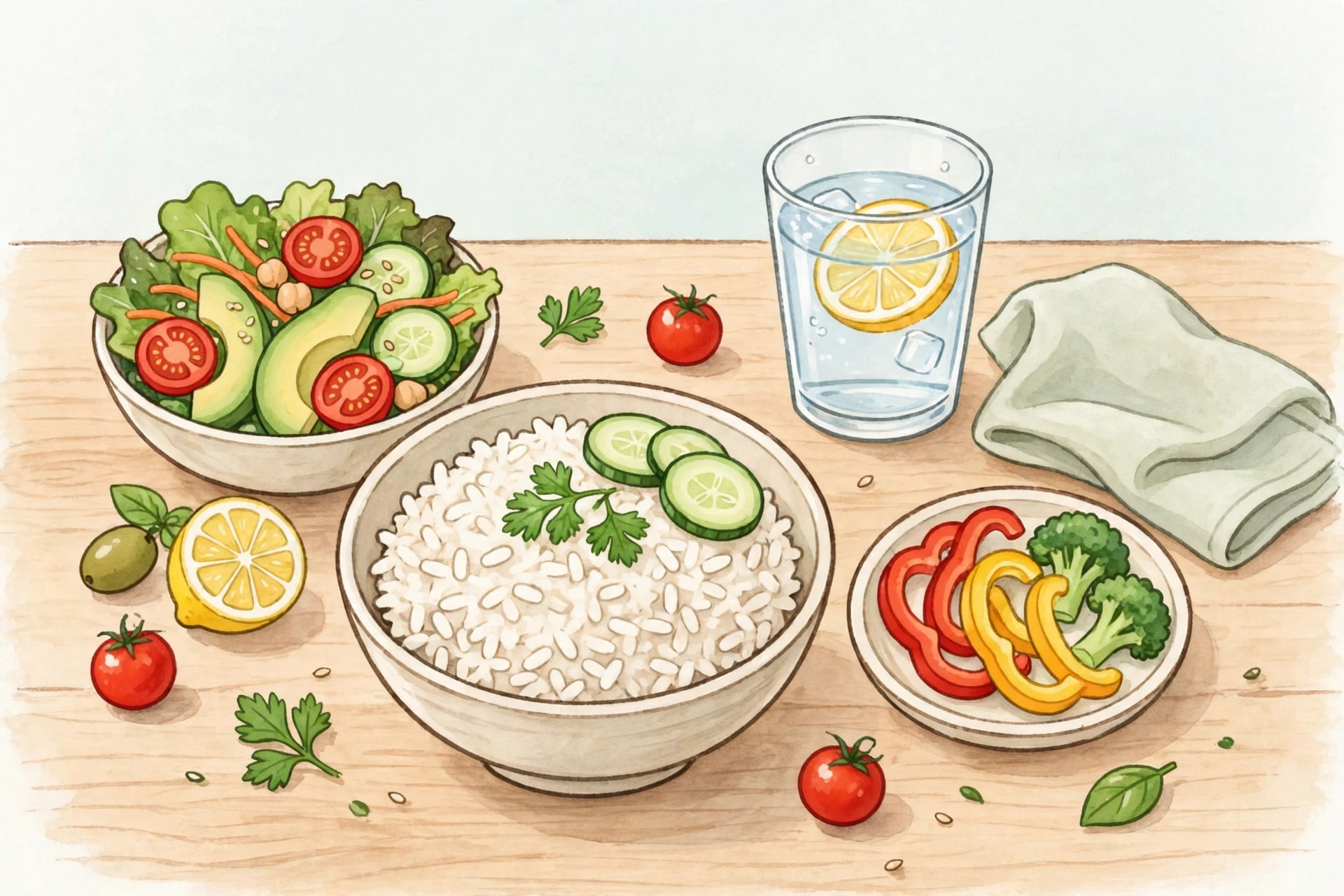
What does a balanced meal look like? It does not need to be fancy. It can be simple. Add vegetables to your plate. Add a source of protein, such as fish, chicken, eggs, beans, or lentils. Add some whole grains, such as brown rice or whole wheat bread, instead of only white grains. Drink water. Eat slowly. Try not to eat until you feel too full. When you eat slowly, your brain has time to notice that you are full. You may eat less, and you may feel better after. These small choices can make a real difference over time.
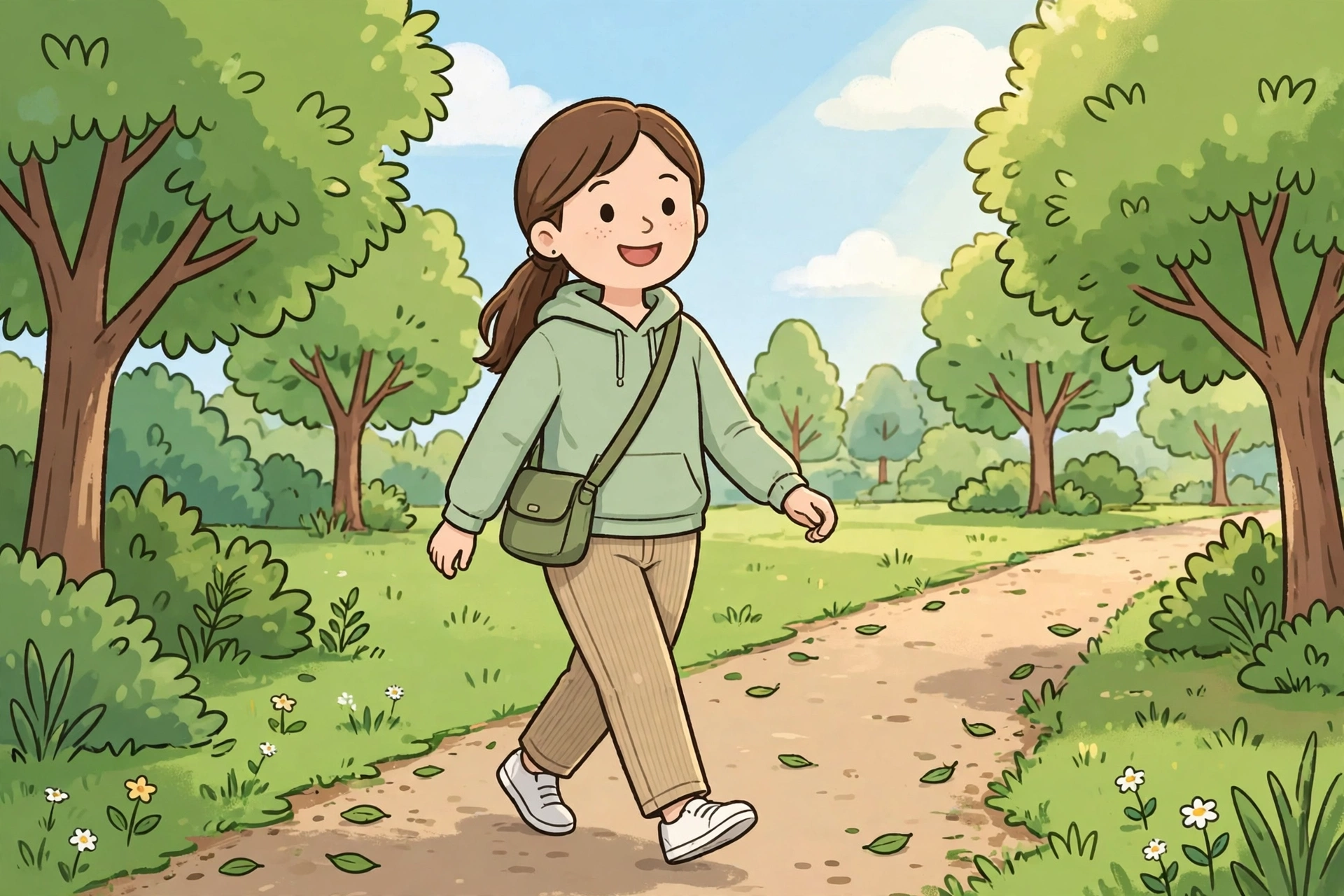
Movement can help a lot after a meal. A short walk is one of the best simple steps. You do not need to run. A slow walk for 10 to 15 minutes can help. Fresh air and light can wake up your brain. Light tells your body clock that it is still day time. Movement also helps your body use blood sugar. That can stop a sharp fall in energy. If you cannot go outside, walk inside your home or office. Stand up and stretch. Move your arms and legs. Even a small amount of movement is better than sitting still and fighting sleep.
Some people try coffee after lunch. Coffee has caffeine. Caffeine can make you feel more awake for a short time. It blocks a brain chemical that makes you feel sleepy. But coffee is not a fix for everyone. Too much coffee can make you feel shaky or nervous. It can also harm your sleep at night if you drink it late in the day. If you drink coffee, a small cup in the early afternoon may be enough for some people. But do not use coffee to hide very poor sleep every day. Good sleep, food, and movement matter more in the long run.
A short nap can also help some people. A nap of 10 to 20 minutes can refresh your mind. It is best to nap early in the afternoon, not late in the evening. A late nap can make it hard to sleep at night. A very long nap can make you wake up feeling groggy. Grogginess means feeling confused and slow after sleep. If you cannot nap, just rest your eyes for a few minutes. Sit in a quiet place. Close your eyes. Breathe slowly. Even a short rest can help you focus again.
Your daily routine can shape how sleepy you feel after eating. Try to eat at the same time each day if you can. Try to sleep and wake up at the same time too. This helps your body clock stay steady. Get some daylight in the morning. Daylight helps your body clock know it is day. Avoid bright screens late at night if you can. Screens can make it harder to fall asleep. Small, steady habits often work better than big, sudden changes. Your body likes a clear pattern.
Stress can also make the sleepy feeling worse. When you are stressed, your body is tense. You may sleep poorly. You may eat fast. You may eat more than you need. You may choose sweet or fried food for comfort. All of this can add up. After lunch, you may crash. Crash means your energy falls fast. Taking a few calm breaths before eating can help. Eat away from your work desk if you can. Give your mind a short break. Even five quiet minutes can help your body and mind reset.
Children and adults can both feel sleepy after eating. Older adults may feel it more often. This is because their sleep at night may be lighter. Their body clock may also change with age. Pregnant people may feel more tired after meals too. Their bodies are doing extra work. People who do hard physical work may feel tired after a big meal as well. Their bodies need food for energy, but a very heavy meal can still slow them down. The feeling is common across ages. It does not mean you are lazy. It means your body is working.
Is it normal to feel sleepy after every meal? For many people, a mild sleepy feeling after lunch is normal. It should pass in a short time. You should be able to wake up with a walk, water, or fresh air. You should feel more normal within an hour or so. But if the sleepiness is very strong every day, it may be worth checking. This is general information only, not medical advice. See a doctor if you often fall asleep without meaning to, if you cannot stay awake at work or while driving, or if the sleepiness stops you from living your normal life. Also see a doctor if it comes with other worrying signs.
What are worrying signs? These include loud snoring and pauses in breathing during sleep, waking up with a headache, feeling very tired even after a full night of sleep, sudden weight gain or weight loss, feeling very thirsty and passing urine often, or feeling dizzy or faint. These signs do not mean you have a serious illness. But they are reasons to talk to a doctor. A doctor can ask questions, check your health, and find the cause. Do not try to diagnose yourself from this article alone. Your health is personal, and a doctor can give advice that fits you.
Some health conditions can make sleepiness after eating worse. For example, diabetes affects how your body handles blood sugar. Sleep apnoea affects breathing during sleep and causes poor sleep. Low iron, low thyroid activity, and some medicines can also cause tiredness. Again, this article does not diagnose any condition. It just explains why you should not ignore strong, daily sleepiness. If you take medicine and feel very sleepy after meals, ask your doctor or pharmacist if the medicine could play a part. Do not stop medicine on your own.
Let us look at a simple day that may help. In the morning, get daylight and eat a balanced breakfast. Do not skip breakfast and then eat a huge lunch. Skipping meals can make you very hungry later. Then you may eat too much at once. At lunch, choose a plate that is not too big. Add vegetables, protein, and whole grains. Drink water. Eat slowly. After lunch, take a short walk. Get fresh air. If you need a rest, take a short nap early in the afternoon. In the evening, eat a lighter dinner if you can. Try to sleep at a regular time. This simple pattern can help many people feel more steady energy through the day.
Food choices are personal. Culture, cost, and taste all matter. You do not need to give up foods you love. You can just change the amount or the balance. For example, if you love white rice, you can eat a smaller portion and add more vegetables and protein. If you love sweet food, you can eat a smaller sweet treat after a balanced meal, not on an empty stomach. If you love fried food, you can eat it less often, or in a smaller amount. Small changes are easier to keep than strict rules. A kind approach to food often works best.
It also helps to notice your own pattern. Keep a simple note for a few days. Write down what you ate, how much you ate, how you slept, and how sleepy you felt after. You may see a pattern. Maybe big, sweet lunches make you most sleepy. Maybe poor sleep makes the next day much worse. Maybe a walk helps you every time. This note can help you make better choices. It can also help a doctor if you decide to talk to one. You do not need a fancy app. A paper note is enough.
Workplaces and schools can help too. A short break after lunch is not laziness. It is good for focus. Some workplaces allow a short walk or a quiet rest. Some schools have a break after lunch. If you can, use that break well. Step away from screens. Stretch your body. Drink water. Talk to a friend for a few minutes. Social time can wake up your mind. When you return to work, you may focus better than if you had forced yourself to keep going while half asleep.
Many myths surround this topic. One myth is that only turkey makes you sleepy. As we saw, turkey has tryptophan, but so do many foods. The size of the meal and the carbs matter more than one food alone. Another myth is that sugar gives you long-lasting energy. Sugar can give a fast boost, but it often leads to a fast fall. Another myth is that feeling sleepy after eating means you are unhealthy. For most people, mild sleepiness is normal. It becomes a concern only when it is extreme, daily, or linked to other signs. Knowing the facts can help you worry less and act wisely.
Let us sum up the main ideas in simple words. After you eat, your body works hard to break down food. Blood sugar rises and falls. Brain chemicals linked to sleep may rise. Your body clock dips in the afternoon. Poor sleep, big meals, lots of white carbs, sweet drinks, and alcohol can make it worse. Balanced meals, water, movement, daylight, good sleep, and a short rest can help. This is normal for many people. But strong, daily sleepiness deserves attention. Talk to a doctor if you are worried. This article gives general information only. It is not a substitute for medical advice.
So next time you feel sleepy after lunch, do not feel guilty. Your body is doing its job. Give it a little help. Take a short walk. Drink some water. Get some fresh air. Eat a balanced meal next time. Sleep well at night. These simple steps may not remove the feeling fully, and that is okay. A mild dip is part of life. The goal is not to never feel tired. The goal is to feel steady enough to enjoy your day, work well, and rest well at night.
FREQUENTLY ASKED QUESTIONS
Why do I feel sleepy after lunch but not after breakfast?
Your body clock often dips in the early afternoon. Lunch falls in that dip. Breakfast comes when your body is waking up. Poor sleep, a big lunch, and lots of carbs can make the afternoon dip stronger.
Is it normal to feel sleepy after eating?
Yes, for many people a mild sleepy feeling after a meal is normal. It should pass in a short time. It becomes a concern if it is extreme, happens every day, or stops you from doing normal tasks.
Does turkey really make you sleepy?
Turkey has tryptophan, but so do many other foods. Turkey alone does not explain the sleepy feeling. A big meal with lots of carbs, poor sleep, and the afternoon body clock dip matter more.
Can a walk after eating really help?
Yes. A short, slow walk for 10 to 15 minutes can help many people feel more awake. Fresh air and light help too. Movement helps your body use blood sugar in a steadier way.
What foods are less likely to make me sleepy?
Balanced meals often help. Try vegetables, protein such as fish, chicken, eggs, beans, or lentils, and whole grains. Drink water. Avoid very big portions, lots of white carbs, sweet drinks, and alcohol at lunch if you can.
When should I see a doctor about sleepiness after eating?
See a doctor if the sleepiness is extreme, happens every day, makes you fall asleep without meaning to, or comes with worrying signs such as loud snoring, pauses in breathing during sleep, headaches on waking, or feeling very tired even after full sleep. This article is general information only, not medical advice.
More from Zorium Daily
- Why do we yawn and is it really contagious? A simple look at yawning and tiredness.
- How ancient people measured an hour without clocks, and how time shaped daily life.
- Can AI dream like humans? A simple look at sleep, dreams, and machines.
- Why do we have seven days in a week? A simple look at daily and weekly rhythms.
- Explore more stories in Lifestyle.