Why Do We Yawn, and Is It Really Contagious?
SUMMARY OF THIS ARTICLE
- A yawn is a big, deep breath in, with your mouth wide open, followed by a slow breath out.
- We yawn most when we are tired, bored, or just waking up, but scientists are still learning the full reason why.
- One strong idea is that yawning helps cool the brain and wake it up, a bit like a fan cools a warm room.
- Yes, yawning really is contagious: seeing, hearing, or even thinking about a yawn can make you yawn too.
- Yawning is normal and healthy, but yawning far too much, all day, every day, is a sign to talk to a doctor.
What Is a Yawn?
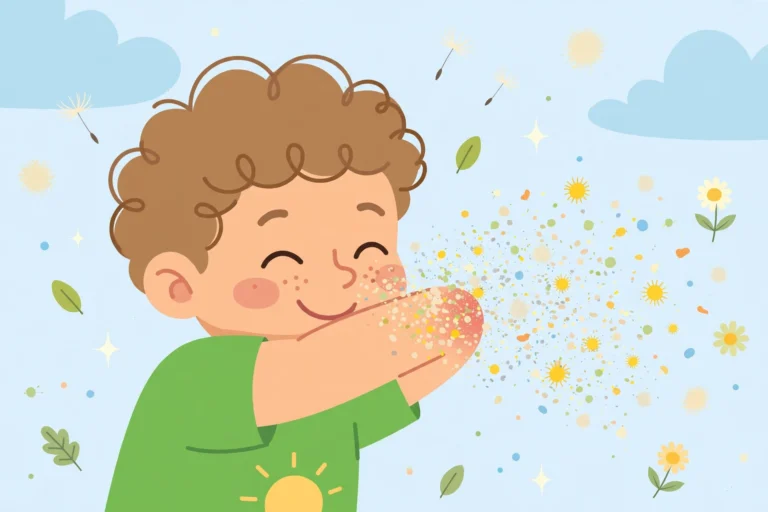
You know the feeling well. Your mouth opens wide. You take in a big, deep breath. Your eyes may water a little. Then you breathe out slowly. That is a yawn.
A yawn is one of the most common things the human body does. Babies yawn. Older people yawn. Even babies still in the womb have been seen to yawn. It is a very old and simple act. Yet it is also a bit of a mystery. Scientists have studied yawning for many years, and they still do not agree on one single reason for it.
In this science story, we will look at what happens when you yawn, why you yawn when you are tired or bored, and why one yawn in a room can soon turn into many yawns. We will keep it simple, step by step.
You may yawn while you read this article. That is fine. In fact, it may prove one of the main points of this story. Just reading the word yawn, or seeing a picture of a yawn, can be enough to start one.
What Happens in Your Body When You Yawn?
A yawn is not just opening your mouth. It is a full-body act, and it happens fast. First, your mouth opens wide and your jaw drops down. At the same time, you breathe in a large amount of air. This breath is much deeper than a normal breath. Your chest rises, and your lungs fill up with air.
Next, the muscles in your face, neck, and chest stretch. You may stretch your arms too. Many people close their eyes during a yawn. Some people tear up a little. That is because the muscles near the eyes press on the tear glands. This is a body reaction a bit like onion tears, where the eyes water in response to a trigger, though the cause is different.
Then, after a few seconds, you breathe out. Your mouth closes. Your muscles relax. The whole yawn takes about six seconds on average. Some yawns are short. Some are long and deep.
During a yawn, your heart rate may go up a little for a short time. Your brain gets more blood flow. Your body gets a rush of fresh air. It feels a bit like a small reset. After a yawn, many people feel a little more awake, or a little more relaxed.
Yawning is controlled by parts of the brain that work without you thinking about it. You do not plan a yawn. It just happens. You can try to stop a yawn, but it is hard. Scientists call this an involuntary act. That means your body does it on its own. Breathing is also like this. You can hold your breath for a short time, but soon your body takes over.
Why Do We Yawn When We Are Tired?
Most yawns happen when we are tired. You yawn late at night. You yawn early in the morning. You yawn after a long day at school or work. Why?
One old idea was that yawning gives the body more oxygen. The idea was simple: when you are tired, you need more air, so you yawn to take in more oxygen and push out carbon dioxide, a waste gas in your breath. This idea sounds neat, but tests did not fully support it. People who breathe extra oxygen do not stop yawning. So oxygen alone does not explain yawning.
A newer idea is about brain temperature. Your brain works best at a steady, cool temperature. When you are tired, or when you have been thinking hard for a long time, your brain may get a little warm. A yawn may help cool it down, as we explain in the brain cooling section below.
Tiredness also changes how awake your brain is. When you are sleepy, your brain slows down. A yawn may be a way to wake the brain up a little. The deep breath, the stretch, and the rush of blood may act like a small alarm. It does not fully wake you up, but it gives you a short boost.
Sleep is closely linked to yawning. We yawn most just before sleep and just after waking up. This is when the body is changing state, from awake to asleep, or from asleep to awake. Yawning may help the body make that change. It may be a signal that the body is ready to rest, or ready to start the day.
Why Do We Yawn When We Are Bored?
You do not have to be tired to yawn. You can yawn when you are bored too. You may be sitting in a long meeting. You may be waiting for a bus. You may be reading a dull book. Then, out comes a yawn.
Boredom and tiredness share something: low stimulation. Your brain is not getting much new input. It is not excited. It is not busy. In that state, your brain may slow down. A yawn may be its way to wake up and ask for more action.
This is why yawns often come in groups when people are bored. One person yawns. Then another person yawns. Soon the whole room is yawning. Part of that is contagious yawning, which we look at below. But part of it is also shared boredom. Everyone in the room is in the same dull moment. Their brains are all slowing down at the same time.
A boredom yawn can feel a bit rude. If you yawn while someone is talking, they may think you are not interested. But a boredom yawn is not always about the person talking. It may just mean your brain needs a change. A short walk, a drink of water, or a new task can often help more than fighting the yawn. It is also worth noting that yawning when bored does not mean you are lazy. Even very active, hard-working people yawn when they are bored. It is a normal body response, not a character flaw.
The Brain Cooling Idea
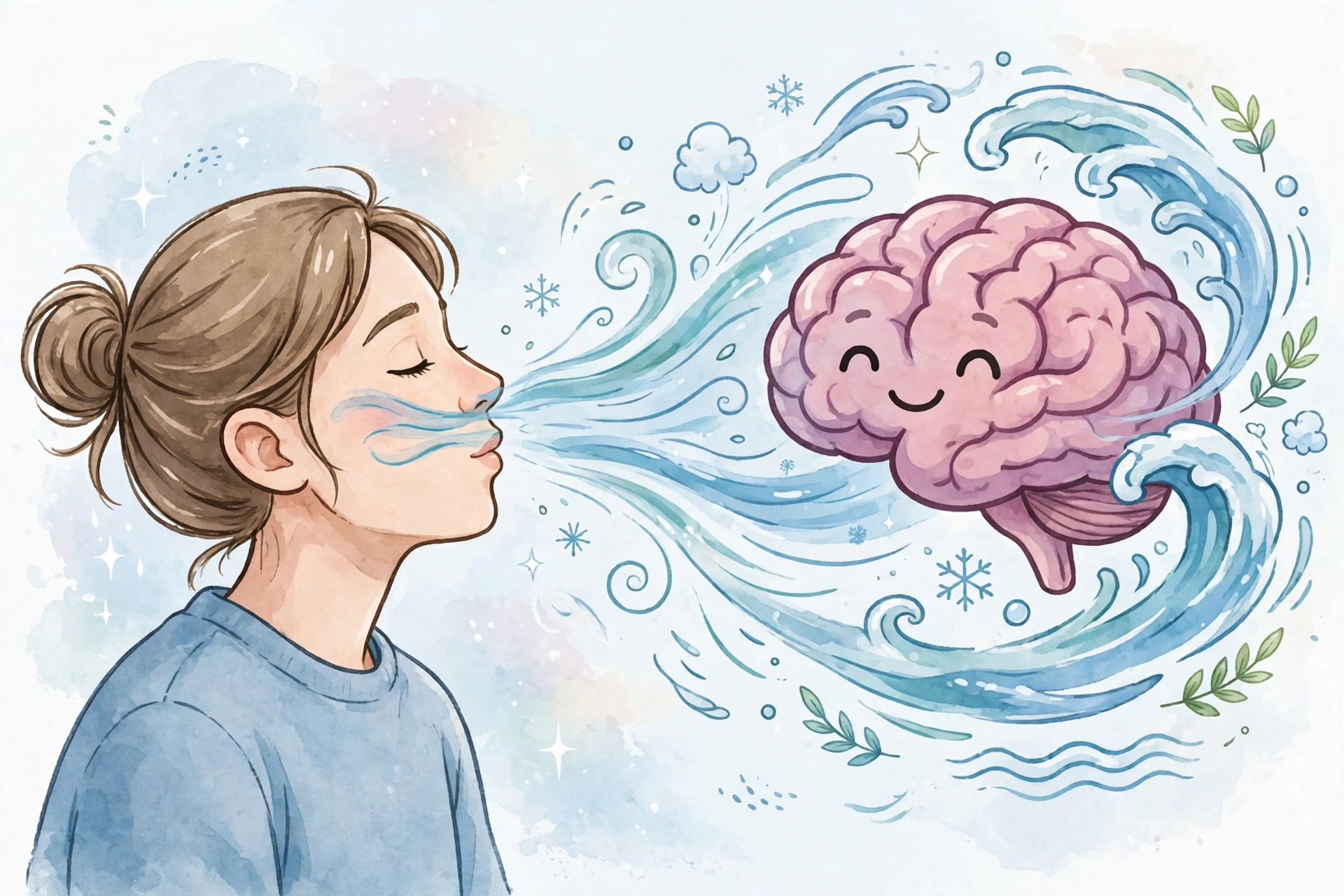
Let us look more closely at the brain cooling idea, because it is one of the most interesting ideas in modern yawning research. Your brain uses a lot of energy. When it works hard, it makes heat. Like a computer that gets warm when it runs many programs, the brain can warm up when it is busy. The body has ways to cool the brain. Blood flow is one of them. Breathing is another.
A yawn does three things at once. It brings in cool air through the mouth and nose. It stretches the jaw muscles, which may push blood toward the brain. And it increases blood flow in the head and neck. Together, these may lower brain temperature by a small amount. It is a bit like opening a window in a warm room to let cool air in.
Some researchers tested this by asking people to hold a cold pack on their forehead or to breathe through their nose. In some tests, these cooling steps reduced yawning. In other tests, warming the forehead increased yawning. This is not final proof, but it points in the same direction: temperature matters.
Another clue comes from the time of year. People may yawn more in warm seasons than in very cold seasons, when the brain is already cool. Again, this is not proof on its own. But when many small clues point the same way, scientists take the idea seriously. The brain cooling idea does not rule out other ideas. Yawning may do more than one job. It may cool the brain and also help wake us up. This is common in nature science. A laugh, for example, is not just a sound. It helps bond people, relax muscles, and change mood. A yawn may be similar: a simple act with more than one use.
Why Do We Yawn When We Wake Up?
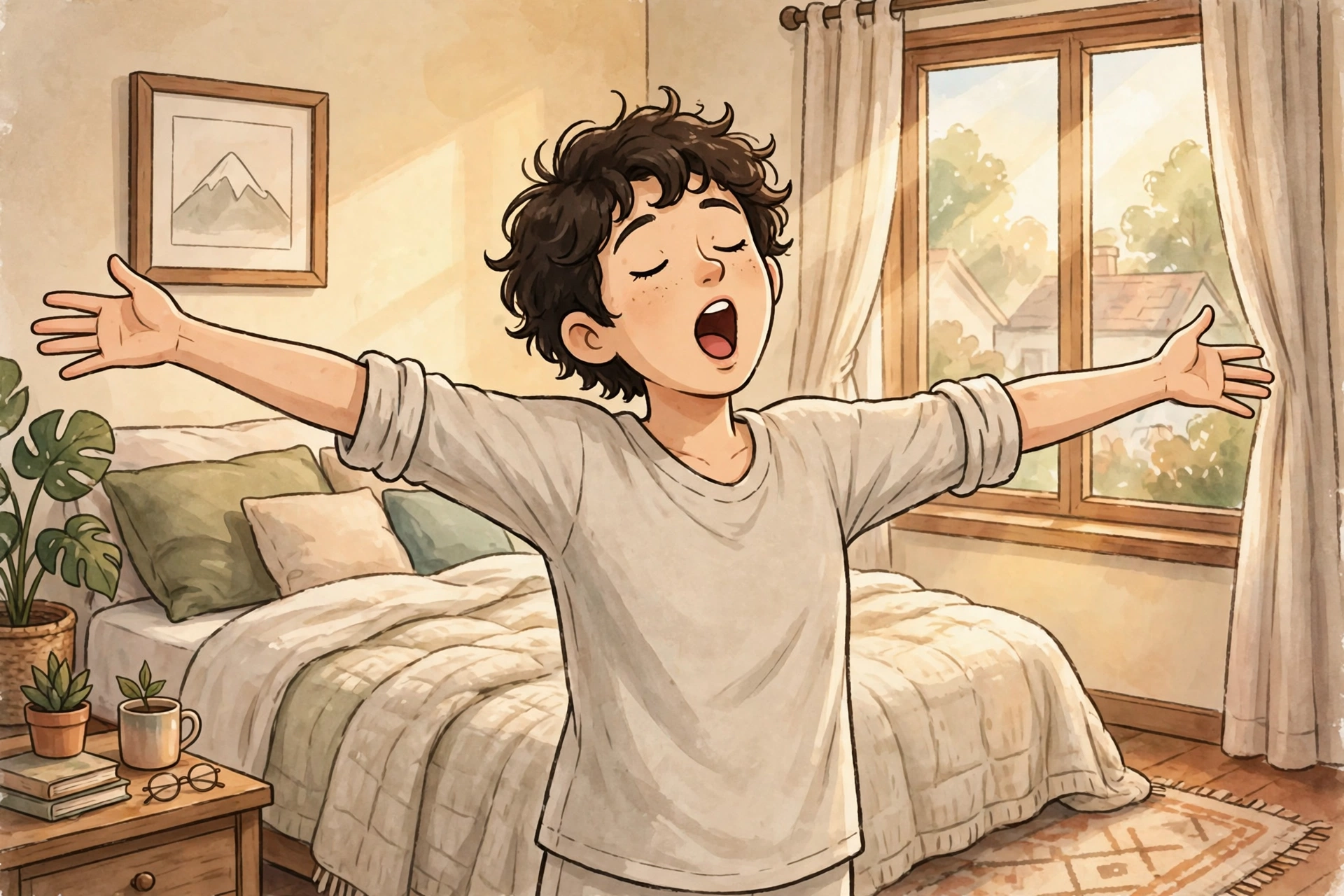
Morning yawns are very common. You wake up, stretch, and yawn. Why does this happen right at the start of the day? When you sleep, your body slows down. Your breathing slows. Your heart rate slows. Your brain moves through different stages of sleep. When you wake up, your body must speed up again. A yawn may help with this change.
The deep breath of a yawn fills your lungs with fresh air after hours of slow breathing. The stretch wakes up your muscles. The increase in blood flow wakes up your brain. It is like a gentle start-up for the body.
Morning yawns may also be linked to the body clock. Your body has an inner clock that tells it when to sleep and when to wake. This clock is linked to light, to hormones, and to body temperature. Body temperature is lowest in the early morning, just before waking, and then it rises. Yawning during this rise may be part of the waking process.
Good sleep habits can reduce morning yawns. Going to bed at the same time each night, getting enough hours of sleep, and waking up in bright light can all help. But even with good sleep, a morning yawn or two is still normal.
Is Yawning Really Contagious?
Yes. Yawning really is contagious. This is one of the most well-known facts about yawning, and it is easy to test for yourself. If you see someone yawn, you are likely to yawn soon after. If you hear someone yawn, even on the phone, you may yawn too. If you read about yawning, as you are doing now, you may yawn as well. Even thinking about yawning can trigger a yawn in some people. You do not need to be in the same room: a photo or video of a yawn can trigger one too.
Studies show that about half of adults will yawn after seeing or hearing someone else yawn. The effect is strong in humans. It is also seen in some animals, such as dogs and chimpanzees. Dogs, for example, may yawn after seeing their owner yawn.
Contagious yawning is not the same as catching a cold. You do not catch a germ. You catch a behavior. Scientists call this a social response. Your brain sees a yawn and mirrors it, a bit like how you may smile when you see someone else smile.
But why would the brain do this? One idea is empathy. Empathy means understanding and sharing what another person feels. People who score higher on empathy tests may be more likely to catch a yawn. The idea is that the brain links to other people. When it sees a yawn, it responds as if it feels the same tiredness.
Another idea is about social bonding. In groups, shared yawns may help sync the group. If one person is tired, others may start to feel tired too. This could help a group rest at the same time, or wake up at the same time. Long ago, when humans lived in small groups, this kind of sync may have helped the group stay safe.
A third idea is simpler: the brain has mirror systems. These are brain cells that fire both when you do an act and when you see someone else do the same act. When you see a yawn, these mirror systems may fire and push your body to yawn too. It is almost automatic. You do not choose it. It just happens.
Contagious yawning does not work the same for everyone. Young children under about four years old are less likely to catch a yawn. This may be because their empathy and social brain systems are still growing. Some adults also rarely catch yawns. That does not mean they lack empathy. It just means their response is weaker, or they are good at holding a yawn back.

Do Animals Yawn Too?
Yes, almost all animals with backbones yawn. Dogs yawn. Cats yawn. Lions yawn. Birds yawn. Fish yawn too, though their yawns look a little different. Animal yawns may have similar jobs to human yawns. They may help wake the animal up, cool its brain, or stretch its jaw muscles. In some animals, yawning is also a social signal. A yawn can show tiredness, stress, or a change in mood.
Dogs are a good example. A dog may yawn when it is tired, but also when it is stressed or unsure. A dog at the vet may yawn a lot. This does not always mean it is sleepy. It may mean it is nervous. Dog owners learn to read these signs over time.
Chimpanzees and other apes also show contagious yawning. If one chimp yawns, others in the group may yawn soon after. This is like human contagious yawning. It suggests that social yawning is old in evolutionary terms. It did not start with humans. It goes back a long way in our family tree.
Even animals that do not live in groups yawn. This tells us that yawning is not only social. It has a basic body job too. The social part may have come later, built on top of the basic body act. But in all cases, the same basic pattern is there: wide mouth, deep breath, slow breath out. Nature is full of such small wonders, from animal behavior to firefly light, which also looks simple but hides clever science.
Can You Stop a Yawn? And Can You Fake One?
You can try to stop a yawn, but it is hard. Most people find that once a yawn starts, it wants to finish. You can close your mouth partway, but the urge often stays. You may end up yawning again a moment later.
There are a few tricks people use. Breathing through the nose may help in some cases. Pressing the tongue against the roof of the mouth is another trick. Taking a cool drink or stepping into cool air may also help, if the cooling idea is right. But none of these tricks work every time.
Faking a yawn is easier than stopping a real one. You can open your mouth wide and breathe in deeply on purpose. Often, a fake yawn turns into a real yawn. Your body takes over the act you started.
Actors sometimes fake yawns on stage or on screen. A good fake yawn can even make the audience yawn. This shows how strong the contagious effect is. Even a yawn that is not real can trigger real yawns in others. If you are worried about yawning during a talk or a meeting, a few simple steps may help. Get good sleep the night before. Drink water. Take short breaks to move and stretch. Sit in a cool room if you can. These steps will not stop all yawns, but they may reduce them.
When Is Too Much Yawning a Problem?
Most yawning is normal and healthy. Yawning a few times a day, or a few times in a row when tired, is nothing to worry about. But yawning far too much can sometimes be a sign of a health issue.
Doctors say to pay attention if you yawn very often, all day, for many days, even when you are well-rested. This is called excessive yawning. It can be linked to poor sleep, but it can also be linked to other issues, such as problems with the heart, the brain, or certain medicines.
Some medicines can increase yawning as a side effect. Some conditions that affect the brain can also increase yawning. In rare cases, excessive yawning can be linked to a stroke or to a seizure disorder. This is rare, but it is why doctors take very frequent yawning seriously when it comes with other symptoms.
Warning signs to watch for include yawning all day with chest pain, shortness of breath, dizziness, sudden weakness, or trouble speaking. These are signs to seek medical help quickly. On their own, without other symptoms, frequent yawns are much less likely to be an emergency. Still, if you are worried, or if yawning is disrupting your daily life, it is wise to talk to a doctor.
Fun Facts About Yawning
Yawning has some fun and surprising facts. First, yawning starts very early in life. Babies yawn in the womb, months before they are born. This shows that yawning is built into the body from the start. It is not learned from others. It is part of how the body works.
Second, yawning is not just a human habit. As we saw, many animals yawn. Even some fish open their mouths wide in a yawn-like act. This shows how old yawning is in the history of life.
Third, you cannot yawn and swallow at the same time with ease. The muscles used for yawning and swallowing overlap, so doing both at once is tricky. This is a small, fun test of how the body works.
Fourth, contagious yawning may be linked to how close you feel to a person. Some studies suggest you are more likely to catch a yawn from a close friend or family member than from a stranger. This fits the empathy idea. The closer the bond, the stronger the mirror response may be.
Fifth, yawning can happen when you are not tired at all. Athletes may yawn before a big event. This may be because they are nervous, or because their brain is warming up and needs cooling before hard work. It shows that yawning is not only about sleep.
Sixth, the word yawn comes from an old English word that means to open wide. That is a good description. A yawn is, quite simply, a wide opening of the mouth, followed by a deep breath.
Frequently Asked Questions
Why do we yawn when we are tired?
We yawn when we are tired because the brain is slowing down and may need a small boost. A yawn brings in a deep breath, stretches muscles, and increases blood flow. This may help cool the brain a little and wake it up for a short time. It is also a signal that the body is ready for sleep or just waking from sleep.
Is yawning really contagious?
Yes, yawning is really contagious. Seeing, hearing, or thinking about a yawn can make you yawn. About half of adults will catch a yawn after seeing someone else yawn. This happens because the brain mirrors the act it sees. It is a social response, not a germ or a disease.
Why do I yawn when someone else yawns, even if I am not tired?
You may yawn because your brain’s mirror systems respond to the other person’s yawn, even when you are not tired. Empathy and social bonding may play a role. Your brain links to the other person and starts the same act. This can happen even when you feel wide awake.
Do animals yawn, and is animal yawning contagious too?
Yes, many animals yawn, including dogs, cats, lions, and birds. Some animals, such as dogs and chimpanzees, also show contagious yawning. A dog may yawn after its owner yawns. This suggests that social yawning is old and shared across species, not only a human habit.
Can yawning be bad for you?
Normal yawning is not bad for you. It is healthy and natural. But yawning very often, all day, for many days, even when well-rested, can sometimes be linked to poor sleep, certain medicines, or other health issues. If frequent yawning comes with chest pain, shortness of breath, dizziness, or weakness, seek medical help quickly. If you are worried, talk to a doctor.
How can I stop yawning so much?
Good sleep is the best step. Go to bed at a regular time, get enough hours of sleep, and wake up in bright light. During the day, take short breaks, move around, drink water, and get fresh air. If you yawn a lot even with good sleep, and it disrupts your day, talk to a doctor to check for other causes.
Why do my eyes water when I yawn?
Your eyes may water because the muscles used in a yawn press on the tear glands near your eyes. This pressure can push out a few tears. It is normal and harmless. Not everyone tears up when they yawn, and the amount varies from person to person.
More from Zorium Daily
- Why Onions Make Your Eyes Water — a simple look at another everyday body reaction, and why tears appear when you cut an onion.
- How Fireflies Make Light Without Heat — the science of cold light in nature, explained in simple words.
- Why Your Phone Shuts Down in the Cold — how cold affects batteries and everyday devices.
- Why Do We Have Seven Days in a Week? — a simple history story about time, weeks, and calendars.
- Can AI Dream Like Humans? — a simple look at brains, machines, and sleep.
- Science at Zorium Daily — more simple science stories from Zorium Daily.