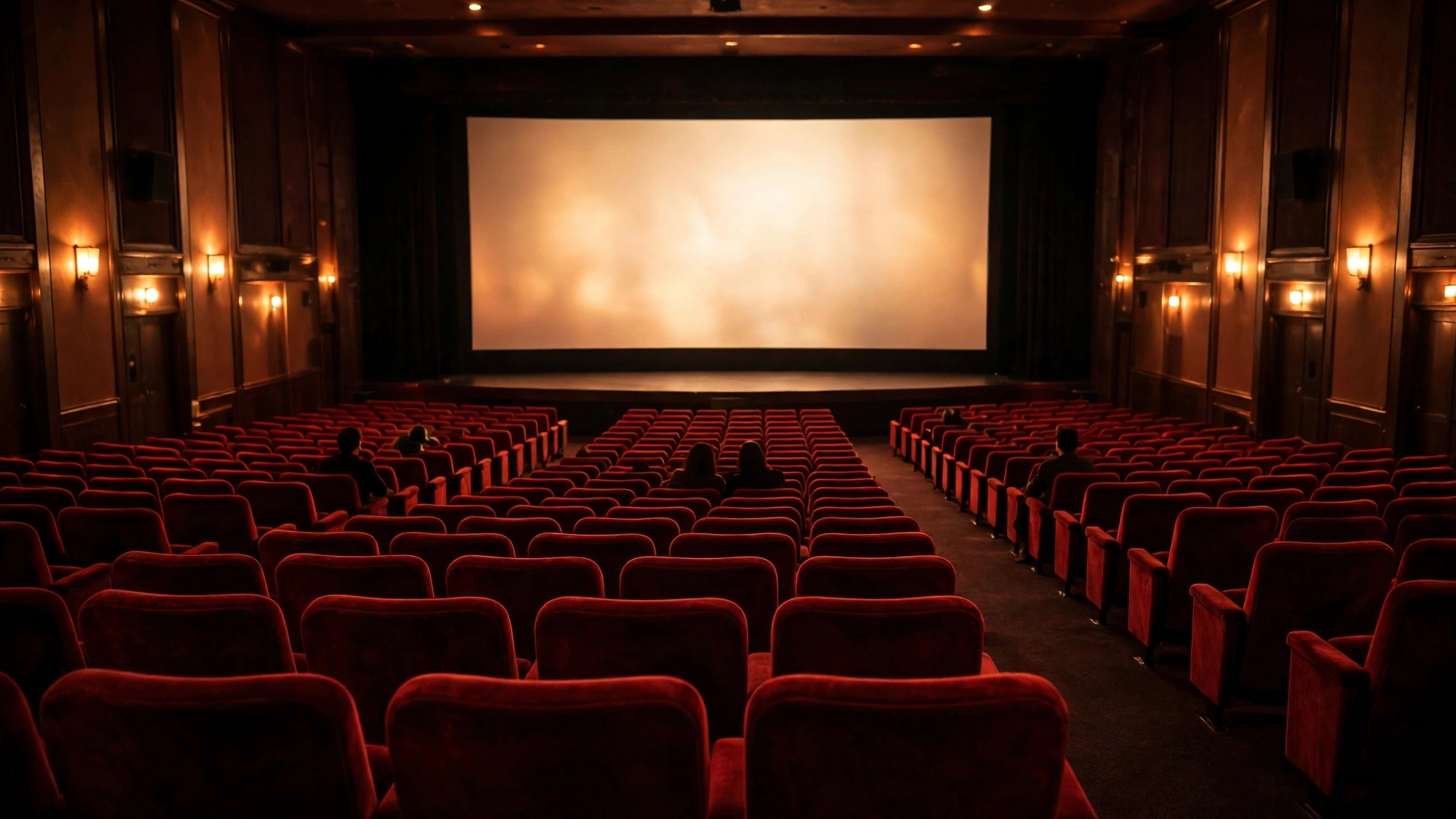
How Does a Movie Theatre Make Money?
By Zorium Daily Business Desk
Have you ever sat in a dark movie theatre, holding a big tub of popcorn, and wondered how the theatre makes money? The ticket was not cheap. The popcorn cost even more. The room was full of people. It is easy to think the owner must be rich.
But the truth is more surprising. A movie theatre does not keep most of the ticket money. A large share goes to the film studio that made the movie. So how does a theatre stay open at all?
In this article, we will answer that question in very simple words. We will follow your ticket money, look at popcorn, ads, big screens, memberships, and events, and see the big costs that theatres must pay. All money figures here are typical examples, not real theatre accounts. Real prices and costs change a lot from city to city.
SUMMARY OF THIS ARTICLE
- A movie theatre does not keep most of the ticket money. The film studio takes a large share, especially in the first weeks after a film opens.
- Popcorn, drinks, and snacks are the real profit. They cost very little to make, and the theatre keeps almost all of the money from them.
- Theatres also earn money from ads before the film, premium screens, better seats, memberships, gift cards, and renting screens for parties and events.
- The biggest costs are rent, staff pay, film rental fees, electricity, and the screens and projectors, and most must be paid even on quiet days.
- Big new films, weekends, and holidays bring the crowds, while weekdays and slow months are hard, so a theatre survives by filling seats and selling food and drinks.
The Simple Idea
Every business needs the same basic maths. Money in must be more than money out. If a theatre takes in more than it spends, it makes a profit. If it spends more than it takes in, it loses money. If it loses money for too long, it closes.
A movie theatre sells an experience. You pay to sit in a dark room with a huge screen, loud sound, and other people who laugh and gasp at the same moments. You cannot get that same feeling at home on a small screen.
Think of it like this. A coffee shop sells one cup of coffee at a time. Each sale is small, and the shop needs many sales each day. A movie theatre works in a similar way, but with bigger numbers. It needs hundreds of people to come each day, buy tickets, and buy snacks.
The simple idea has three parts. First, bring people through the door. Second, sell them a ticket. Third, sell them food and drinks while they are there. The ticket brings people in. The food and drinks bring most of the profit.
Ticket Sales: Who Keeps the Money?
Ticket sales are the biggest source of money coming in, but they are not the biggest source of profit. When you buy a ticket, the theatre collects the full price. Then it sends a large share to the film studio, or to the company that distributes the film. This payment is called the film rental fee.
The share is not fixed. In the first week after a big film opens, the studio often takes a very large share, sometimes as much as 80 or 90 percent of the ticket price in a typical example. That leaves the theatre with only 10 or 20 percent. As the weeks pass and fewer people come, the theatre keeps a bigger share. By the fourth or fifth week, the split may be close to half and half.
This creates a strange problem. The theatre earns the least per ticket at the very time when the most people are coming. The opening weekend is the busiest time, but the theatre keeps the smallest slice of each ticket.
Why does the studio take so much? Because the studio paid to make the film. Making a big film can cost tens or even hundreds of millions of dollars. Actors, directors, cameras, sets, computers, and marketing all cost money. The studio takes its money back from ticket sales first.
Let us follow one ticket. Suppose a ticket costs 15 dollars. In the opening week, the studio may take about 12 dollars. That leaves the theatre with only about 3 dollars. Then the theatre must pay staff, lights, heating, cleaning, taxes, and card fees, which may take about 2 to 3 dollars. Add it all up, and the theatre may keep almost nothing from that one ticket.
Popcorn, Food and Drinks: The Real Profit
Popcorn is the star of the movie theatre business. It is cheap to make, easy to serve, and people love it. The smell of fresh popcorn fills the lobby and makes people hungry before they even reach their seats.
A large tub of popcorn may sell for 8 or 9 dollars. The kernels, oil, salt, and butter inside may cost the theatre less than 1 dollar in a typical example. The tub itself costs a few cents. That leaves a very large gap between cost and price. That gap is the profit, before staff and other costs are counted.
Drinks work the same way. A large soft drink may sell for 6 or 7 dollars. The syrup, water, ice, cup, lid, and straw may cost only about 20 or 30 cents. That is a huge margin. Margin is a word owners use for the share of the price left after the direct cost of the item.
Candy, nachos, hot dogs, and ice cream add more. A box of sweets that costs the theatre 50 cents may sell for 4 or 5 dollars. A hot dog that costs 1 dollar to make may sell for 5 or 6 dollars. Each item on its own is small, but added up over hundreds of customers each day, it becomes a lot of money.
Here is the key point. Unlike ticket money, food and drink money is not shared with the studio. The theatre keeps almost all of it, after paying for the food itself and the staff who serve it. That is why the food counter is the most important part of the building for profit.
The layout shows this clearly. When you walk in, you pass the ticket desk, then you face the food counter. You cannot reach the screens without walking past the popcorn, the drinks, and the sweets. The counter is bright, the smells are strong, and the menu is right in front of your eyes.
Theatres also use clever pricing. The small popcorn may cost 5 dollars. The medium may cost 7 dollars. The large may cost 8 dollars. The large looks like a bargain next to the medium, because it costs only 1 dollar more but gives much more popcorn. Many people choose the large. But the extra popcorn costs the theatre only a few cents, so the large size is almost pure extra profit.
Ads Before the Film
Have you ever sat down early, and the screen showed ads for cars, phones, and other films? Those ads are another way the theatre makes money.
The 15 or 20 minutes before a film starts are valuable. The audience is sitting down, looking at the screen, and cannot skip the ads. They cannot change the channel.
Theatres sell that time to companies. A car company may pay to show its new car. A film studio may pay to show a trailer for its next film. The theatre, or the advertising company it works with, collects that money.
Local businesses can advertise too. A nearby restaurant may pay to show a short ad before films in its town. These ads cost less than a national ad, but they reach exactly the people who live nearby.
Ads do not bring in as much money as tickets or food. In a typical example, ads and other small income may make up only about 5 to 10 percent of a theatre’s total money. But it is useful money, because it costs the theatre almost nothing extra. The screen is already there, and the audience is already sitting down.
Premium Screens and Better Seats
Not all tickets cost the same. A normal ticket may cost 12 dollars. A ticket for a bigger screen with better sound may cost 18 or 20 dollars. That extra money is called a premium, and it is a growing part of theatre income.
Premium screens have names like IMAX, Dolby Cinema, or 4DX. They have a larger screen, brighter picture, and louder, clearer sound. Some have seats that move with the action. Some show films in 3D, so things seem to jump out of the screen. People pay more because the experience feels bigger and more special than watching at home.
A premium screen costs far more to build than a normal screen. The projector, the sound system, and the seats all cost more. But once the screen is built, each extra ticket brings in more money. If enough people choose the premium screen, it pays for itself over time.
Better seats are another premium. Many theatres now have recliner seats. These are big, soft chairs that lean back, sometimes with footrests and a small table for food and drinks. A ticket for a recliner seat may cost a few dollars more. People pay it gladly, because two hours in a soft chair is far more comfortable than two hours in a hard seat.
Memberships and Gift Cards
A membership is a plan that lets you watch films for a set monthly price. You pay each month, and you can watch a set number of films. Some plans let you watch three films a month. Some let you watch as many as you like.
Memberships are good for the theatre for three reasons. First, the money comes in every month, even if the member does not watch a film that month. That is steady money the theatre can plan with. A gym works the same way: many members pay each month but visit only a few times, and that gap helps the gym stay profitable.
Second, members visit more often than other customers. When the ticket feels free because they already paid for the month, they come more. Each visit is another chance to sell them popcorn and a drink.
Third, members are loyal. They pick one theatre chain and stick with it.
Gift cards work in a similar way, and they are even simpler. A person buys a gift card for 25 dollars and gives it to a friend. The theatre gets the 25 dollars right away. The friend may use the card next week, next month, or never. Some gift cards are never used at all. The money from those cards stays with the theatre. Even when the card is used, the person often spends more than the card value on food and drinks.
Renting Screens for Events
A movie theatre is a big room with a huge screen and great sound. That room can be used for much more than films. Renting it out is another way to earn money, especially at quiet times.
A company may rent a screen for a meeting, a product launch, or a training day. A school may rent it for a graduation. A family may rent it for a birthday party, with a private film and cake in the lobby.
These bookings are good money. The room would otherwise sit empty in the morning or on a weekday afternoon. The theatre charges a flat fee for the room, plus food and drinks for the guests. There is no film studio to share with on a private event, because the customer is paying for the room, not for a new film. So the theatre keeps far more of the money.
Theatres also show live events. A big football match, a concert, a ballet, or a play may be shown live on the cinema screen. People pay a ticket to watch it together, even though it is not a film. A live concert on a huge screen with loud sound feels special, and the theatre can charge a premium price for it.
Busy Days vs Quiet Days
Not every day is the same in a movie theatre. Friday night is busy. Saturday is the busiest day of the week. Sunday afternoon is busy too. But Tuesday morning is often very quiet.
Busy days are gold. The rent is the same whether 10 people or 500 people come. The electricity bill does not grow much when more seats fill. The staff are already there. So when sales jump on a busy day, a bigger share of that extra money can turn into profit.
Quiet days are the danger. The costs do not stop. Rent is still due. Staff still need pay. The projectors still run. If only a few customers come, sales may not even cover the day’s costs. A run of quiet weeks can eat up all the profit saved from busy weeks.
Theatres plan for this swing. They may run cheaper tickets on quiet days, like a Tuesday discount, to pull people in. They may show special films, host events, or offer family deals on slow afternoons. They may use quiet days to clean, fix seats, and train staff. And they save money in good months so they can pay bills in bad months.
The Biggest Costs
Making money is only half the story. A movie theatre also spends a lot of money. If the costs are too high, even a full theatre can lose money.
Rent is often the biggest fixed cost. A theatre needs a large building in a place people can reach easily, often in a shopping centre or on a busy street. That kind of space costs a lot to rent each month, and the theatre must pay it even in a quiet month.
Film rental fees are the next big cost. As we saw, the theatre sends a large share of every ticket to the studio. Across a whole year, the studio may take about half of all ticket money in a typical example. That is why ticket sales alone do not make the theatre rich.
Staff pay is another big cost. A theatre needs people to sell tickets, serve food, clean the rooms, check tickets, and fix machines. In a typical example, staff pay may take about 20 to 30 percent of the theatre’s total income.
Electricity is a big bill too. The projectors, sound systems, lights, heating, and air conditioning run for many hours each day. A medium theatre may pay thousands of dollars a month for electricity alone.
Then there are the screens and projectors. A modern digital projector can cost tens of thousands of dollars. A large theatre may have ten or more screens, each with its own projector and sound system. These machines break and wear out, so the theatre must set aside money each year for repairs and new equipment.
Finally, there are smaller costs that add up: insurance, licences, marketing, card fees, uniforms, and repairs. None of these is huge alone, but together they take a real share of the money each month.

A Simple Monthly Example
Let us build a simple example for a medium theatre with eight screens. These numbers are made up, to show how the maths works.
Suppose the theatre takes in 100,000 dollars in one month. Ticket sales bring in about 55,000 dollars. Food and drinks bring in about 35,000 dollars. Ads, memberships, gift cards, and events bring in about 10,000 dollars.
Now take away the costs. Film rental fees take about 30,000 dollars. Food and drink ingredients take about 7,000 dollars, because popcorn and drinks are cheap to make. Staff pay takes about 25,000 dollars. Rent takes about 15,000 dollars. Electricity, heating, and water take about 8,000 dollars. Cleaning, repairs, insurance, marketing, and other small costs take about 10,000 dollars.
Add the costs up: 30,000 + 7,000 + 25,000 + 15,000 + 8,000 + 10,000 = 95,000 dollars. The theatre took in 100,000 dollars and spent 95,000 dollars. That leaves 5,000 dollars of profit. That is 5 percent of the total money, a thin margin that is quite normal for a theatre.
Why Some Movie Theatres Close
You may have seen a theatre in your town close, even though you loved it. This happens often, and the reasons are usually about money.
One common reason is high rent. If rent is too high, the theatre must sell a huge number of tickets just to pay it. If fewer people visit the shopping centre it sits in, the theatre will struggle no matter how good its films are.
Another reason is low sales. A theatre in a hidden spot may not get enough customers. Without steady crowds, even good food and comfy seats cannot pay the bills. A theatre needs a certain number of people each week just to break even, which means earning exactly enough to cover costs.
A third reason is the rise of home viewing. Today, people can watch films at home on a large television for a small monthly fee, and new films come to home screens faster than before. Some people now wait and watch at home instead of going out. That hurts theatres, especially small ones that cannot offer a premium screen or a special experience.
A fourth reason is poor control of costs. If food is wasted, staff hours are not planned, or supplier prices are not checked, costs creep up month by month until profit turns into loss.
A fifth reason is debt. Building a new theatre, or adding premium screens, costs a lot of money. Many owners borrow money to pay for it, and they must pay it back with interest every month. If crowds fall, the loan payments stay the same, and the theatre can run out of cash fast.
Sometimes the reason is simply bad luck. A road closes for repairs, a new rival opens nearby, or energy prices jump fast. Even a good owner can be hit by events outside their control. That is why a cash cushion, money saved for hard times, matters so much.
This is also why a movie theatre is like any other small business. It needs sales, cost control, and a plan. A bookshop faces a similar test: it must sell enough each month to cover rent and staff, or it will close, no matter how much people love books.

Frequently Asked Questions
1. Do movie theatres make money from ticket sales?
Yes, but far less than most people think. The theatre shares ticket money with the film studio, and the studio often takes a very large share in the first weeks. In a typical example, the theatre may keep only 10 to 20 percent of an opening-week ticket. Tickets bring people in, but they rarely pay all the bills on their own.
2. Why is popcorn so expensive at the cinema?
Popcorn is expensive because it is the main profit for the theatre. A large tub may cost the theatre less than 1 dollar to make, but it sells for 8 or 9 dollars. The theatre keeps almost all of that money, unlike ticket money, which is shared with the studio. That profit pays for rent, staff, electricity, and the projectors.
3. How much profit does a movie theatre make?
It depends on the theatre, but in a typical example, a well-run theatre keeps about 5 to 10 percent of its total income as profit. The rest goes to film rental fees, staff, rent, electricity, food costs, and other bills. All cost and margin figures in this article are typical examples, not real theatre accounts.
4. Do theatres make money from the ads before a film?
Yes. Theatres sell the time before a film to advertisers, because the audience is seated and cannot skip the ads. Ads usually bring in only a small share of total income, about 5 to 10 percent in a typical example, but the money costs the theatre almost nothing extra, because the screen and projector are already running.
5. Are memberships a good deal for theatres?
Yes, for both sides. Members pay every month, even in months when they do not watch a film, so the theatre gets steady money it can plan with. Members also visit more often, and each visit is another chance to sell popcorn and drinks. That is why many large chains now push monthly membership plans.
6. Why do some movie theatres close?
Theatres usually close because costs are higher than income for too long. High rent, low crowds, fewer people going out, poor cost control, and debt from building premium screens can all play a part. A run of quiet months can use up all the profit saved from busy months, and once the cash runs out, the theatre must close its doors.
More from Zorium Daily
- Gym — How Does a Gym Make Money?
- Bakery — How Does a Bakery Make Money?
- Coffee Shop — How Does a Coffee Shop Make Money?
- Bookshop — How Does a Bookshop Make Money?